Do you feel tired, depressed, anxious, or struggle with sleep and concentration since recovering from COVID-19? If so, you may be experiencing post-COVID symptoms. It’s important to recognize these symptoms and seek help if needed. Long COVID refers to ongoing symptoms that persist for weeks or months after recovering from COVID-19. These symptoms can range from physical issues like fatigue and breathing problems to psychological issues like depression, anxiety, sleep problems, and difficulty with concentration. While most people who contract COVID-19 recover within a few weeks, some people continue to experience symptoms even after the virus is no longer detectable in the body. While there is still much to learn about this virus and its effects, there are ways to manage your symptoms so you can start feeling better.
Here are five tips that may help:
1. Managing fatigue and breathlessness
Fatigue and breathlessness are the most common symptoms of long COVID. The greatest risks associated with a COVID-19 infection are to your respiratory health. If you have battled a severe infection, it can take a very long time to return to your pre-covid lung capacity. Even so, you should not not completely give up on activities that make you breathless. Increase your pace/intensity gradually and try to be consistent. Start with short walks or simple strength exercises (ref. link) and gradually increase the intensity of your workouts. Breathing exercises (ref. link) like inhaling slowly through your nose and exhaling through your mouth can also help. Sit upright in a chair and lean forward slightly when you feel breathless.
2. Boosting your mental and emotional well-being
During your recovery it’s important to be kind to yourself and remember that some days may be more difficult than others. Staying in touch with loved ones and maintaining a daily routine can help improve your mood and sense of stability. It’s also important to stay active, as physical activity can release endorphins and boost your mood.
3. Tips for coping with brain fog, memory issues, or thinking difficulties
Here are some tips for coping with symptoms of Long Covid like brain fog, memory issues, or thinking difficulties:
- Make sure you’re getting enough restful sleep each night.
- Dehydration can affect cognitive function, so make sure you’re drinking enough water throughout the day.
- Physical activity can improve brain function and help reduce brain fog.
- A balanced diet that includes plenty of fruits, vegetables, and healthy fats can support brain health.
- Stress can contribute to cognitive problems, so finding ways to manage stress, such as through relaxation techniques or exercise, can be helpful.
- Some people with long COVID may benefit from working with a cognitive rehabilitation therapist to help improve brain function and reduce cognitive issues.
4. Relieving joint and muscle Pain
Body pains, joint aches, and muscle cramps can persist for weeks after you recover. Take ample rest and use a warm compress to relieve symptoms. Stretching and strengthening exercises help relieve pain in your joints and muscles. Flexibility exercises like yoga and tai chi, as well as strengthening exercises like lifting weights and climbing stairs are beneficial.
5. Watch out for unique symptoms, and follow COVID guidelines
Have you observed loss of smell or taste post COVID? Do not worry, losing your sense of smell is a common post-COVID symptom. Research from over 20 years ago suggests that smelling lavender oil daily can help improve blood flow to the olfactory nerves and potentially restore your sense of smell.
If you are experiencing fatigue, a physical therapist may be able to recommend low-impact activities that can help improve your energy levels. It’s important to remember that the COVID-19 vaccine can help reduce the severity of the virus, but it may not completely prevent post-COVID symptoms. Therefore, it’s important to continue to protect yourself from infection by wearing a mask and practicing good hygiene, especially if there is a surge in your area.
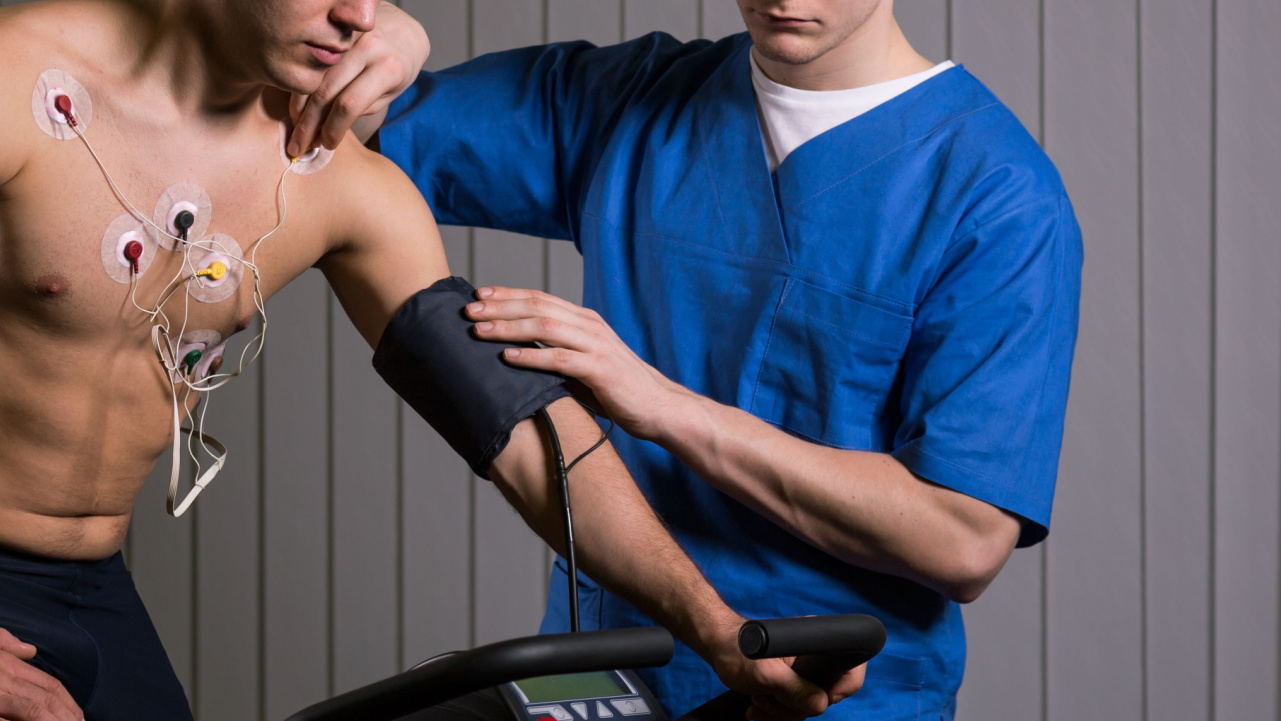
We are still learning about the long term effects of Covid-19, especially in relation to its impact on cardiovascular health. Using a smart heart monitor like the Frontier X2 allows you to constantly keep tabs on your heart so that you can ensure it is functioning healthily, even when faced with issues like Long Covid.
Frequently Asked Questions:
What can I do to ease long COVID symptoms?
Take sufficient rest, drink plenty of fluids, take paracetamol (after communicating with your doctor) to ease the symptoms if you are severely uncomfortable.
How do you get over long COVID fatigue?
Establish routines that promote sleep, eat a healthy diet, divide strenuous activities into manageable chunks, take breaks between activities, and consider relaxation techniques such as mindful meditation, aromatherapy, yoga, and tai chi.
When do long COVID symptoms go away?
Post covid conditions or long COVID may last for several weeks to months. A 2021 study (ref. link) reported that it is possible to experience Long COVID symptoms for more than 12 weeks
What long COVID symptoms might signal something more serious?
Some long COVID symptoms that may indicate a more serious condition include:
- Persistent difficulty breathing
- Persistent chest pain or pressure
- Persistent confusion or disorientation
- Persistent fever
- Persistent severe fatigue
If you are experiencing any of these symptoms, it’s important to speak with a medical professional for further evaluation and treatment.
Are certain age groups at higher risk of long COVID symptoms?
There is some evidence to suggest that older adults may be more likely to experience long COVID symptoms, although it’s important to note that people of all ages can experience long-term effects from the virus. Studies have also found that people with certain underlying health conditions, such as obesity, diabetes, and cardiovascular disease, may be more likely to experience long COVID symptoms. However, more research is needed to fully understand the risk factors for long COVID.
Other Heart Health Topics To Explore :
Post Covid Fatigue | Heart Health Tips | Increase Your Heart Rate | Running Heart Rate Zones | Symptoms of Heart Attack | Chest Based Heart Monitor | Acid Reflux | Heart Palpitations After Eating | Silent Heart Attack | Meditation and Heart Health
Frontier X2 :
Best Home ECG Monitor in USA | ECG Machine Price in India | Online Heart Rate Monitor in UK