

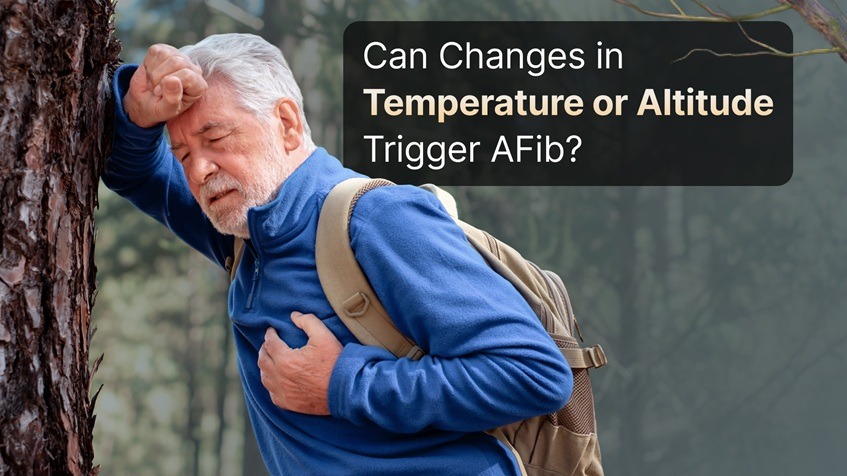
Can Changes in Temperature or Altitude Trigger AFib?
Atrial Fibrillation (AFib) – the most common sustained heart rhythm disorder – is often linked to stress, exertion, and heart disease. But did you know that changes in temperature or altitude can also affect how your heart beats? Whether it’s the heat of summer, the chill of winter, or the thin air of high-altitude regions, these environmental factors can impact heart rate, oxygen delivery, and electrical activity, potentially triggering atrial arrhythmia in susceptible individuals.
Let’s explore how environmental shifts can influence your heart’s rhythm, what signs to look out for, and how continuous ECG monitoring can help detect early changes.
Understanding AFib: When the Heart’s Electrical System Goes Offbeat
Atrial Fibrillation occurs when the atria (the upper chambers of the heart) beat chaotically and out of sync with the ventricles. This irregular rhythm reduces the efficiency of blood flow and can lead to clots, stroke, and heart failure if left untreated.
In a normal heart rate, electrical signals travel in an orderly way through the heart. But in AFib, those signals become erratic – resulting in a fast, irregular heartbeat that feels like fluttering or pounding in the chest. While genetics, hypertension, and cardiac conditions are well-known causes, environmental stressors like temperature extremes and altitude can also act as triggers.
How Temperature Affects Heart Rhythm
1. Heat and Dehydration
When temperature rises, your body works harder to stay cool. Blood vessels dilate, and your heart pumps faster to push more blood toward the skin for cooling. This increased heart rate can strain the cardiovascular system, especially in people with underlying atrial arrhythmia or heart issues.
Moreover, dehydration – common during hot weather or exercise – can cause electrolyte imbalances (like low potassium or sodium), which disrupt electrical conduction in the heart. Studies show that electrolyte depletion and heat stress can elevate the risk of AFib episodes.
Key takeaway: During heat exposure or workouts in hot climates, staying hydrated and avoiding excessive exertion helps maintain a normal heart rhythm.
2. Cold Temperatures and Vasoconstriction
Cold weather has the opposite effect. Low temperatures cause blood vessels to constrict (tighten), raising blood pressure and increasing the heart’s workload. This sudden cardiac strain can elevate the risk of heart arrhythmias and even heart attacks in predisposed individuals.
Research indicates that winter months see a spike in AFib incidence, possibly due to the combination of high blood pressure, thicker blood viscosity, and increased sympathetic nervous system activity. People with existing heart arrhythmia or AFib history should be cautious about abrupt exposure to cold temperatures.
Pro tip: Warm up gradually before outdoor exercise in winter and wear temperature-appropriate layers to avoid abrupt cardiovascular stress.
Altitude and AFib: The Role of Oxygen Levels
1. Low Oxygen and High Heart Rate
At higher altitudes – generally above 2,500 meters – the oxygen concentration in the air decreases. To compensate, your heart beats faster and pumps harder to deliver enough oxygen to the body. This increased heart rate and cardiac workload may trigger atrial fibrillation or other atrial arrhythmias, especially in individuals with a prior history of heart rhythm disorders.
Hypoxia (low oxygen levels) also affects ion channel activity in cardiac cells, potentially disturbing the heart’s electrical conduction. In extreme cases, the body’s compensatory response (including higher adrenaline levels) can further raise heart rhythm instability.
2. The “Altitude Acclimatization” Period
During the first few days at high altitude, your body adapts to reduced oxygen through faster breathing, elevated heart rate, and increased red blood cell production. However, this adaptation phase is a time when AFib may be more likely to occur. Even healthy individuals sometimes experience palpitations, lightheadedness, or chest discomfort as their cardiovascular system adjusts.
Preventive tip: Ascend gradually if possible, stay well-hydrated, and avoid overexertion during early altitude exposure.
Exercise, Altitude, and Atrial Fibrillation: A Delicate Balance
Many endurance athletes train or compete at altitude to improve aerobic efficiency. But intense exercise combined with hypoxia and dehydration can overstimulate the sympathetic nervous system, potentially triggering AFib or flutter.
In such cases, continuous ECG monitoring is invaluable for understanding how your heart responds to environmental stressors. It helps detect patterns like increased heart rate at rest, nocturnal arrhythmias, or sudden spikes during exertion, which may otherwise go unnoticed in standard checkups.
The Role of Long-Term ECG Monitoring: Frontier X Plus
Traditional heart monitoring methods like Holter tests provide only short-duration insights – typically 24 to 48 hours – and may not reflect how your heart behaves during daily routines or physical activity. That’s where wearable, chest-based ECG devices such as Frontier X Plus (medical-grade, FDA-cleared, prescription-based) and Frontier X2 (wellness) extend the value of continuous heart tracking.
Frontier X Plus provides medical-grade, long-term ECG monitoring, cleared by the FDA to detect Atrial Fibrillation (AFib), Tachycardia, and Bradycardia. It enables physicians and users to assess heart rhythm trends under various conditions for diagnostic and follow-up purposes. Frontier X2, on the other hand, is designed for wellness and performance insights. It records continuous ECG and heart rate during activities such as exercise, altitude training, and sleep, helping users understand their heart rhythm patterns and physiological responses over time.
Both devices are patchless and chest-based, offering accurate, motion-resistant ECG recording that supports long-term tracking of heart rhythm dynamics and physical performance.
By correlating environmental factors such as temperature, altitude, and exertion with long-term ECG and heart rate data, these tools provide valuable insights into how external stressors influence cardiac performance – supporting informed lifestyle decisions and personalized training optimization.
Practical Tips to Reduce AFib Risk at Different Temperatures and Altitudes
- Stay Hydrated: Dehydration increases heart rate and electrolyte imbalance – both can trigger AFib.
- Avoid Sudden Temperature Changes: Allow your body to acclimate gradually to heat or cold.
- Acclimatize Before Intense Activity: Especially at altitude, give your cardiovascular system time to adjust.
- Monitor Your Heart Continuously: Use reliable ECG devices like Frontier X Plus to spot irregularities early.
- Maintain Electrolyte Balance: Replace lost minerals during prolonged workouts or high-heat exposure.
- Recognize Warning Signs: Palpitations, dizziness, fatigue, or breathlessness after temperature or altitude changes warrant medical review.
When to See a Doctor
Seek immediate medical advice if you experience:
- Persistent heart fluttering or rapid heartbeat
- Dizziness, fainting, or shortness of breath
- Chest discomfort or fatigue unrelated to exertion
These could be early signs of AFib, heart arrhythmia, or oxygen-related cardiac stress.
FAQs
1. Can altitude trigger AFib?
Yes. High-altitude environments with low oxygen levels can increase heart rate and cardiac strain, sometimes triggering AFib or atrial arrhythmia, especially in individuals with prior heart rhythm issues.
2. Why does my heart race when it’s hot or cold?
Both heat and cold stress the heart differently. Heat causes dehydration and electrolyte imbalance, while cold increases blood pressure and heart workload – either can elevate heart rate and trigger arrhythmias.
3. Can exercise at altitude cause AFib?
Intense workouts at high altitude may increase sympathetic activation and oxygen demand, occasionally leading to AFib episodes. Monitoring ECG continuously during such training is highly recommended.
4. What is the best way to monitor my heart for AFib?
Continuous ECG monitors like Frontier X Plus (medical grade) provide accurate, long-duration ECG data to detect atrial fibrillation and heart rhythm abnormalities during daily activities or sleep.
5. How can I prevent AFib related to temperature or altitude?
Gradual acclimatization, hydration, electrolyte balance, and avoiding extreme exertion are key preventive steps. Long-term ECG monitoring can help detect changes before they escalate.
Related Posts
You might also like


-

Featured Articles
- Preparing for London or Boston Marathon? These Metrics...
 March 30, 2026
 - 10 Signs You Might Have Heart Disease
 March 24, 2026
 - The Best Way to Track Heart Rate in the Gym: Wrist...
 March 22, 2026
-
JOIN OUR NEWSLETTER
Get the latest articles, tips, offers & other exclusive content from Fourth Frontier.
