
Heart disease is the leading cause of mortality worldwide, and two terms you’ll often hear in this context are Coronary Artery Disease (CAD) and Ischemic Heart Disease (IHD). Many people – even patients and sometimes clinicians – use them interchangeably, but they are not exactly the same. Understanding the distinction can help you recognize symptoms early, seek timely medical care, and explore modern tools like ECG monitoring to protect your heart health.
Coronary Artery Disease refers specifically to a condition where the coronary arteries, the vessels that supply oxygen-rich blood to the heart, become narrowed or blocked. This narrowing usually happens due to atherosclerosis – the buildup of fatty deposits, cholesterol, and calcium (known as plaque) inside the arteries.
When the arteries are narrowed, blood flow to the heart muscle is reduced, increasing the risk of chest pain (angina), shortness of breath, or even myocardial infarction (heart attack).
Common CAD symptoms include:
CAD is often described as the most common type of heart disease and is sometimes referred to as arteriosclerotic cardiovascular disease or atherosclerotic heart disease in medical literature.
Ischemic Heart Disease is a broader term that refers to any heart problem caused by reduced blood supply (ischemia) to the heart muscle. While CAD is the leading cause of ischemia, other factors – such as severe anemia, coronary artery spasms, or microvascular dysfunction – can also trigger it.
In other words, all CAD is ischemic heart disease, but not all ischemic heart disease is CAD.
For example:
IHD symptoms can include:
| Aspect | Coronary Artery Disease (CAD) | Ischemic Heart Disease (IHD) |
| Definition | Narrowing/blockage of coronary arteries due to plaque buildup | Any condition where blood supply to heart muscle is insufficient |
| Cause | Mainly atherosclerosis (plaque buildup) | CAD + other causes (anemia, coronary spasms, microvascular issues) |
| Scope | More specific term | Broader umbrella term |
| Symptoms | Angina, chest tightness, heart attack risk | Angina, arrhythmias, heart failure, ischemic cardiomyopathy |
| Diagnosis | Coronary angiography, CT scans, stress tests | ECG, continuous ECG, echocardiography, perfusion scans, angiography |
| Treatment | Medications, stents, bypass surgery | Treating underlying cause (CAD + non-CAD ischemia management) |
Both CAD and IHD can progress silently for years before showing obvious symptoms. Sometimes, the first sign of CAD or IHD may be a heart attack. That’s why early detection through regular check-ups and screening is crucial.
Warning signs that may suggest heart ischemia include:
If you notice these signs of clogged arteries in the heart or plaque in arteries symptoms, consult your doctor immediately.
Doctors rely on a combination of tests to diagnose CAD disease and ischemic heart conditions:
These are often referred to as CAD disease treatment drugs or ischemic heart disease management therapies.
(Important: The medications listed below are for general awareness only. Treatment should always be determined by a qualified physician. Never start, stop, or adjust any medication without consulting your healthcare provider.)
Modern longterm ECG monitors like the Frontier X Plus play a critical role in early detection and management of arrhythmias. Chest-strap wearable ECG monitors, such as the Frontier X Plus, enable long-term recording of heart rhythm during daily activities, exercise, and sleep. This allows physicians to review rhythm trends and assess cardiac responses over time as part of a comprehensive clinical evaluation.
For patients with suspected cardiac ischemia or ischemic arrhythmias, continuous monitoring can:
By spotting problems earlier, continuous ECG monitoring empowers patients and doctors to reduce the risk of heart attack, ischemic heart failure, or sudden cardiac arrest.
While Coronary Artery Disease (CAD) and Ischemic Heart Disease (IHD) are closely linked, they are not identical. CAD is a major cause of IHD, but ischemia can also result from other conditions. Understanding this distinction helps in recognizing symptoms, seeking appropriate treatment, and adopting preventive strategies.
With lifestyle changes, medical therapy, and advanced tools like continuous ECG monitoring, patients can detect problems early and significantly reduce their risk of heart disease.
Long distance cycling pushes your body in ways that only a handful of other endurance sports do. The climbs, the heat, the hours of steady effort, the sudden bursts of power, the stress of descents, the recovery periods between intervals, all these influence how your heart behaves. If you have ever finished a ride wondering why your heart rate suddenly spiked on a mild climb or why your legs felt strong but your breathing did not match the effort, you are not alone. Cyclists across the world are beginning to realise something important. The key to better performance and better health is hidden right inside your own heart data.
And that is exactly where continuous ECG data becomes a powerful tool. When you see how your heart responds to real world effort in real time, the way you ride, train and recover begins to change.
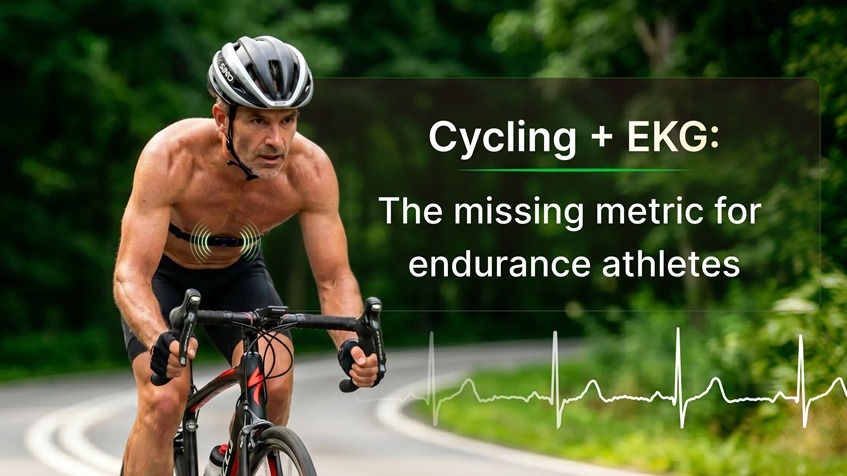
Today, continuous ECG is no longer something limited to hospitals and clinical labs. Cyclists can now observe detailed heart signals during long rides, helping them understand strain, recovery and early warning patterns that simple Heart Rate numbers cannot show. We take you through what continuous ECG during long rides means, what you can learn from Frontier X2-style ECG data and how long term monitoring with wellness and medical devices fits into your training and overall safety.
Most cyclists train with heart rate monitors or smartwatches. They are great tools, but there is one big limitation. They only show how fast your heart is beating, not how well it is beating.
Two riders can show the same heart rate of 165 beats per minute. One might be perfectly stable and efficient while the other could be showing irregular variations, inefficient electrical activity or early signs of heart stress. Heart rate does not tell you that story.
Continuous ECG, on the other hand, shows the electrical behaviour of your heart throughout your ride. It gives you a moment by moment picture of how your heart handles load, fatigue, heat, dehydration, elevation and stress.
You may think you are in Zone 2, but your heart may be showing electrical stress patterns that suggest you are pushing harder than you realise. Continuous ECG helps you learn the truth about your zones. Over time, you can match your perceived effort to your actual cardiac response, improving both safety and performance.
Long rides in heat can silently strain your heart. ECG patterns often show subtle shifts even before your heart rate rises dramatically. These changes can help you correct your hydration or cooling strategies early.
Climbing is where your cardiac workload spikes. ECG data can show how stable your heart is during long climbs, how quickly it adapts to gradient changes and how effectively it recovers on descents. For cyclists who frequently ride hilly routes, this insight is invaluable.
Surges, sprints and gear changes create rapid changes in cardiac load. ECG signals show how abrupt these transitions are for your heart. If the patterns repeatedly show instability, you know exactly which parts of your ride need better conditioning.
Toward the end of a ride, fatigue shows up in your heart far before your legs feel heavy. Continuous ECG can reveal increased variability, erratic contractions or stress signatures. Knowing this helps you plan rest intervals and nutrition.
Cyclists who use ECG recording devices during training often report specific discoveries that changed the way they ride:
You learn the difference between fitness fatigue and cardiac strain: Two riders can feel equally tired, but their ECG traces tell completely different stories. This helps you avoid pushing through the wrong kind of fatigue.
You discover how poorly timed nutrition affects your heart: Bonking, sudden drops in glucose and electrolyte imbalance all leave cardiac signatures. Over time, you begin to fuel with better timing.
You understand your recovery window better: Your post-ride-ECG patterns can show how quickly your heart settles back into a stable rhythm. This helps you plan training blocks more effectively.
You can identify patterns across weeks of training: Long term trends help you see whether your heart is adapting well or if there are periods where stress load is rising too quickly.
If you are exploring long term heart monitoring during cycling, it is important to know the difference between medical and wellness tools. The Frontier X Plus is an FDA-cleared medical grade, prescription-based long term ECG monitor cleared for use in detecting atrial fibrillation, tachycardia and bradycardia. Cyclists use this when physicians want long term ECG recordings to evaluate cardiac trends.
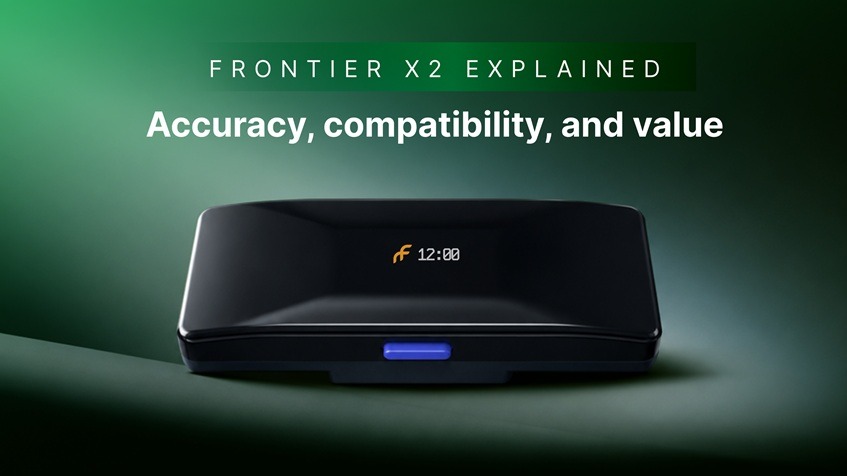
The Frontier X2 is a wellness grade device that records ECG and heart rate data to help athletes understand effort, strain and recovery trends during training. This allows you to observe how your heart responds to long rides without needing patch-based systems or repeated adhesive monitors.
Both offer the ability to review heart behaviour during real rides, giving you a clearer picture of your own physiology and helping you adjust your training accordingly.
Heart rate only shows how fast your heart beats. Continuous ECG shows how well it beats. It helps you understand stress, rhythm patterns, fatigue and electrical changes that heart rate alone cannot reveal.
Yes. By matching ECG patterns to your effort, you can train more efficiently, manage fatigue better and avoid pushing into harmful overload.
Not necessarily. Athletes often use ECG devices to observe general training patterns. For medical concerns or unusual ECG findings, physicians can review the recordings and guide you professionally.
Absolutely. Even non competitive riders benefit from understanding how their heart reacts to heat, climbs and long endurance effort. It can help prevent overtraining and guide safer riding habits.
Wearable heart rate trackers rely on optical sensors which can become inaccurate during sweat, movement or vibration. ECG records electrical activity directly and remains stable during intense effort, providing more dependable insights.
As a runner, you know how crucial it is to balance training intensity with recovery. One powerful way to do this is by tracking your Heart Rate Variability (HRV). HRV, a dynamic measure of the time variation between heartbeats, provides valuable insights into your recovery status, readiness for training, and overall stress levels. Using HRV effectively can help you train smarter, avoid injuries, and optimize your running performance.
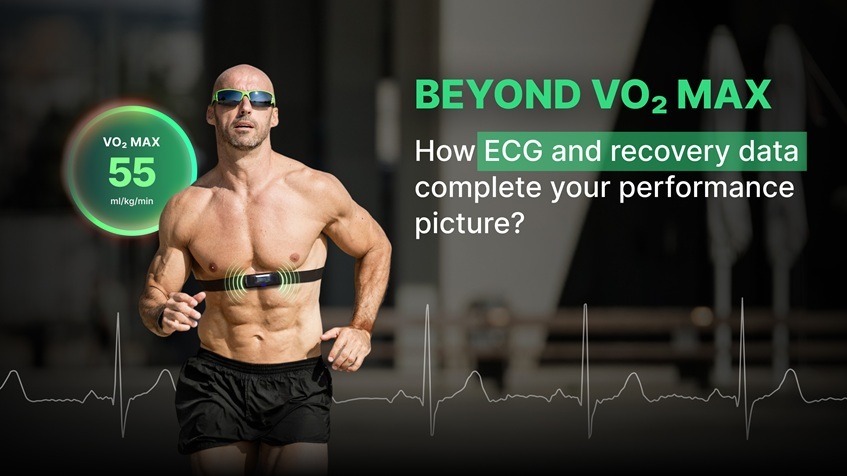
Heart Rate Variability is the variation in milliseconds between each heartbeat. It is controlled by your autonomic nervous system, which includes the sympathetic nervous system responsible for the fight-or-flight response, and the parasympathetic nervous system that drives rest and recovery. When your HRV is high, it signals that your body is well recovered and ready to perform. When your HRV is low, it can indicate fatigue, stress, or insufficient recovery, suggesting the need to dial back your training intensity.
Unlike a simple heart rate that measures beats per minute, HRV tells you how adaptable and resilient your heart and nervous system are to physical and mental stress. Monitoring HRV daily can empower you to make informed decisions about training and recovery tailored specifically to you.
For runners, HRV offers several benefits:
In essence, HRV acts as a physiological dashboard, telling you if you need a rest day or a high-performance day. This is vital for injury prevention and sustained running progress.
Tracking HRV has become easier and more accurate thanks to wearable technology, like the Frontier X2. The Frontier X2 is a wellness-grade heart monitor device that provides continuous HRV monitoring using advanced ECG technology. Unlike standard heart rate monitors or smartwatches, the Frontier X2 offers precise measurements of your cardiac activity with detailed data on HRV, breathing rate, strain, and heart rate zones.
What makes Frontier X2 unique for runners is that it not only records your HRV continuously during runs and rest but also provides real-time vibration alerts when your heart is out of your optimal zone. This helps prevent overstraining during workouts and promotes effective recovery by giving you immediate feedback.
You can also sync Frontier X2 easily with fitness apps for comprehensive heart health analysis and get AI-generated recommendations for your next workout based on your current physiological status. This turns your training into a highly personalized experience aimed at reducing injury risk and improving fitness faster.
Unlike spot checks of heart rate or occasional ECGs, continuous heart monitoring tracks your heart’s behavior throughout the day and night. This comprehensive approach offers deeper insights into your autonomic nervous system balance and overall cardiovascular health.
For runners, continuous monitoring helps identify irregular heart rhythms early, detect signs of excessive strain, and allows timely interventions before adverse outcomes occur. It also highlights how well your body recovers during sleep, a critical factor since recovery takes place mostly when you rest.
Devices like the Frontier X2 enable this level of monitoring minus the need for bulky equipment or hospital visits. This empowers you to manage your health proactively within your training routine, ensuring safety and peak performance simultaneously.
While HRV gives you a clear window into your recovery, other lifestyle factors play key roles in heart health and running performance:
In short, your recovery strategy should integrate HRV data with these lifestyle habits for the best results.
As a runner wanting to perform your best while staying injury-free, integrating Heart Rate Variability monitoring into your routine is a game-changer. Devices like the Frontier X2 deliver continuous, precise heart insights that help you understand your recovery needs and optimize training loads. Combining HRV data with smart lifestyle choices like quality sleep, nutrition, and stress management will keep you running longer, stronger, and healthier.
Stay connected to your body’s signals with daily HRV monitoring – your heart will thank you for it.
You walk into the gym with one goal in mind. To get stronger. To push harder. To level up. Whether you are lifting your first barbell or chasing elite-level performance, the desire to improve is universal.
But there is a fine line that separates smart progress from silent overload. That line is where training load and heart strain intersect.
You may feel sore, tired, or breathless after a hard session. That is expected. But what is happening inside your heart during those intense sets is something most people never truly understand. And that lack of awareness is often what holds athletes back from real breakthroughs or pushes them toward burnout and injury.
If you want to train like an elite athlete, you must start thinking like one. That means learning how to balance effort with recovery and listening to your heart just as carefully as your muscles.
Training load is more than how heavy you lift or how long you train. It is the total stress placed on your body from:
Every squat, sprint, deadlift, and conditioning circuit adds to your internal load.
Two people can follow the same workout plan but experience very different strains. One recovers quickly and adapts. The other stays fatigued, struggles to improve, and risks injury. The difference is not willpower. It is how their body handles stress.
Your muscles are not the only systems that feel this load. Your heart responds instantly to every change in effort. As intensity rises, your heart rate rises. As fatigue accumulates, recovery slows. Over time, repeated overload without enough recovery can quietly strain your cardiovascular system.
This is why heart strain has become a growing focus in modern performance training.
Heart strain is not a medical diagnosis in the gym setting. It is a performance concept. It refers to how hard your heart is working during training and how well it recovers afterward.
You experience heart strain when your heart is forced to sustain high effort for long periods without enough rest. This often happens with:
• High volume circuit training
• Excessive high-intensity intervals
• Long sessions with poor recovery
• Training through chronic fatigue
• Stacking strength and cardio without planning
At first, your fitness improves. Then your progress stalls. Sleep worsens. Motivation drops. Heart rate remains elevated. You feel flat even on light days. These are early warning signs that your training load may be outweighing your ability to recover.
Elite athletes do not train harder than everyone else every day. They train smarter.
Amateurs chase exhaustion. Elites chase efficiency.
An amateur judges success by how destroyed they feel after a session. An elite athlete judges success by how well they can repeat high-quality work day after day without burnout.
The key difference is load management. Elite athletes:
• Adjust training intensity based on recovery, not emotion
• Understand that progress comes from adaptation, not just effort
• Train with the goal to perform tomorrow, not just survive today
If you want to move from amateur to elite, thinking inside the gym, you must shift your mindset in three key ways:
• You train for long-term consistency, not short-term punishment
• You respect recovery as much as effort
• You use data, not ego, to guide intensity
This is where heart-based training insights become incredibly powerful.
Your heart responds to stress faster than any muscle group. It reacts to:
• Physical load
• Sleep quality
• Hydration
• Mental stress
• Poor nutrition
That makes it one of the best mirrors of your true readiness.
When your training load is balanced:
When training load exceeds recovery:
You may still be lifting the same weights. But internally, your system is under strain. This is why top-level strength coaches and sports scientists now emphasize heart data as a core performance signal, not just an endurance metric.
Pushing hard feels productive. But ignoring heart strain carries long-term risks.
Chronic overload can contribute to:
• Reduced training tolerance
• Overtraining syndrome
• Increased injury risk
• Hormonal disruption
• Cardiovascular stress accumulation
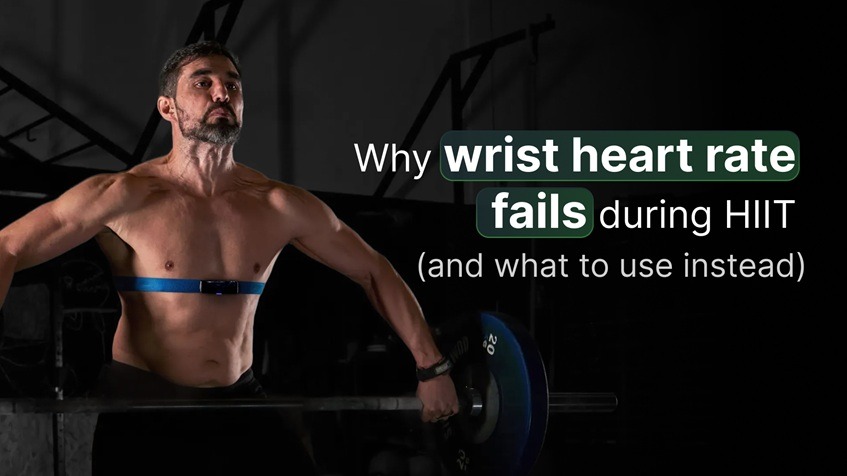
Most gym athletes assume heart issues only affect endurance athletes. That is no longer true. Modern high intensity gym programming places sustained stress on the heart especially during long circuits and conditioning blocks layered onto heavy lifting.
You do not need to fear hard training. You only need to learn when hard becomes harmful.
When you manage training load correctly, your results improve across every metric:
• Strength increases faster
• Recovery improves
• Fat loss becomes more consistent
• Sleep quality improves
• Mental focus sharpens
• Injury risk drops
You stop chasing fatigue and start chasing repeatable performance. The goal is not to avoid strain. The goal is to apply it with precision.
Modern athletes now have the ability to observe how their heart responds to training beyond the gym floor.
Medical grade tools like the Frontier X Plus support long term ECG monitoring for clinical level heart rhythm and rate tracking. Wellness grade devices like the Frontier X2 allow athletes to record ECG and heart rate data for fitness and wellness insights. Together they help you and your physician observe how your heart behaves over extended periods of training, stress recovery and daily activity.
These tools do not replace medical care. They support trend awareness. They help identify how intense sessions influence your heart over time. They also help you recognize when your system is adapting well and when fatigue patterns may require smarter recovery decisions.
This visibility helps bridge the gap between effort and safety for serious gym athletes.
You may need better load management if you notice:
• Persistent elevated heart rate at rest
• Poor sleep despite heavy fatigue
• Loss of motivation to train
• Reduced performance at the same weights
• Frequent soreness that never fully resolves
• Longer recovery between sets
These signs do not mean you are weak. They mean your system is asking for smarter structure.
You do not need a professional team to apply elite principles. Start with these fundamentals.
Alternate heavy and lighter days. Do not stack maximal strength high volume conditioning and poor sleep together repeatedly.
Watch how quickly your heart rate falls after intense sets. Faster recovery often signals better conditioning and fresher readiness.
Not every session needs to be a battle. Some days are for building. Some days are for restoration.
Low fuel states elevate heart strain during training. Under-eating makes hard sessions harder on your heart.
Lack of sleep raises resting heart rate and depresses recovery. No program can out train poor sleep.
Moving from amateur to elite is not about lifting the heaviest weight once. It is about lifting well for years without breakdown.
Your heart is not just a survival organ. It is a performance engine. Every rep you do moves through it. Every recovery period depends on it.
When you learn to respect heart strain instead of ignoring it you unlock a higher tier of training intelligence. You gain control over your progress rather than relying on brute force.
Athletes who learn to balance load and heart strain experience:
• More consistent strength gains
• Fewer forced layoffs due to burnout
• Better endurance during gym work
• Improved metabolic conditioning
• Higher confidence in pushing limits safely
You stop guessing when to push and when to pull back. You start knowing.
That transition is what separates recreational effort from elite preparation.
Your muscles adapt in weeks. Your nervous system adapts in months. Your heart carries the load every second.
If you want to train harder without burning out. If you want to lift heavier without breaking down. If you want to move from amateur mindset to elite execution.
You must learn to balance training load with heart strain.
Your progress does not depend on how hard you suffer in one session. It depends on how well you recover and repeat high quality effort over time.
Training load refers to the combined stress from workout intensity, volume frequency and recovery demands placed on your body.
High intensity and long duration gym sessions can increase cardiovascular strain especially when recovery is inadequate.
Signs include elevated resting heart rate, slow recovery fatigue, poor sleep and declining performance.
Yes heart data helps you understand recovery training readiness and internal stress even during resistance based training.
Long term ECG monitoring helps track heart rhythm and rate trends over time so athletes and physicians can observe how training stress influences the heart.
In the world of athletic performance, the focus is often on heart rate, pace, and power. But a metric that’s gaining traction for how it affects recovery, fatigue, and injury risk is body shock – the mechanical impact your body experiences with every foot strike, jump or hard movement. Understanding how body shock contributes to muscle fatigue, and how it integrates with cardiovascular strain and recovery, can help athletes train smarter and stay healthier over time.
Monitoring your Body Shock to analyse the impact of running surfaces, gear, form changes or fatigue, helps prevent injuries during high impact activities.”
In practical terms, high body shock means your musculoskeletal system (muscles, tendons, bones) is absorbing greater forces. Over time, unless recovery is adequate or the training is adapted, these forces can lead to micro-trauma, fatigue, delayed recovery and injury risk.
Muscle fatigue isn’t just about working hard – it’s about the accumulation of forces and the body’s capacity to absorb, dissipate, and recover from them. Here’s how body shock ties into that:
For athletes – from weekend warriors to elite competitors – the ability to control mechanical stress, monitor recovery and reduce fatigue is critical. Here’s why body shock matters:
The Frontier X2 is designed from a wellness and performance perspective – not a medical device – yet it integrates long-term ECG, body shock, training load and strain monitoring in one wearable. Some of its relevant features:
From a wellness viewpoint, this means you don’t have to guess when your training is pushing your body into a fatigue-trap. Instead you use objective data – mechanical shock + heart strain + readiness – to guide your sessions and recovery.
Here are actionable suggestions for athletes:
By focusing on the under-explored link between mechanical impact (body shock) and muscle fatigue, and by showcasing the Frontier X2’s wellness-grade monitoring capabilities, this blog positions itself as a valuable resource for athletes and fitness-focused readers looking to optimise training, recovery and injury prevention.
Q1: What is body shock in athletic training?
Body shock refers to the mechanical stress or impact forces transmitted through your body during activities such as running or jumping. Measuring body shock helps understand how training load and impact affect muscles, joints and fatigue.
Q2: How does body shock contribute to muscle fatigue?
High body shock means greater forces per movement which require your muscles and joints to absorb more load. Over time, this accelerates fatigue, reduces efficiency, alters form and increases injury risk.
Q3: Can athletes monitor mechanical load in real-time?
Yes. Modern wearables like the Frontier X2 integrate sensors that measure body shock (impact forces), heart rate, strain and training load in real time – providing actionable data during workouts.
Q4: What training adjustments should I make when body shock values increase?
Consider reducing high-impact activity volume, switching to softer surfaces, increasing recovery sessions, improving form/technique, and incorporating strength/mobility work to absorb impact more efficiently.
Q5: Is body shock important only for runners?
No. While body shock is often discussed in running, the concept applies to any high-impact or plyometric activity (jumping, HIIT, change of direction sports). The key is how your body absorbs load and what recovery strategy you use.
In today’s world of connected wellness technology, monitoring heart patterns is no longer limited to clinical settings. Wearables and portable sensors now allow individuals to track their heart performance in everyday life. But not every device offers the same kind of data or purpose.
If you’re deciding between a chest-strap wellness monitor like the Frontier X2 and a hand-held ECG device, here’s a clear comparison – focused on wellness and performance insights, not clinical diagnosis.
The Frontier X2 is a wellness-grade smart heart monitor designed for users who want a deeper understanding of their cardiovascular performance during exercise, rest, or recovery. It’s not meant for diagnosis or treatment, but rather for providing actionable wellness data that helps you optimize training and recovery.
Key features include:
In essence, the Frontier X2 is for users who want to go beyond simple heart-rate monitoring and explore how their body responds to effort, stress, and recovery.
Hand-held ECG devices – those you hold in your hands or place fingers on – are designed mainly for quick, short-term rhythm checks. They’re portable and convenient but usually provide only a snapshot of heart rhythm instead of continuous trend data.
Common features include:
They’re great for spot checks but offer less data depth for training or wellness analysis.
| Feature | Frontier X2 (Chest-Strap) | Hand-Held ECG Device |
| Long-term ECG recording during exercise | Yes – optimized for motion and workouts | Typically limited to still/spot checks |
| Training load & body shock metrics | Yes – provides advanced training insights | Usually not available |
| Integration with fitness apps | Yes – Apple Health, Strava, etc. | Limited connectivity |
| ECG quality under motion | Stable due to chest-based sensors | Often affected by hand movement |
| Comfort for casual use | Requires strap; best for active use | Very portable and discreet |
| Depth of wellness data | High – includes HRV, strain, readiness metrics | Moderate – focused on rhythm checks |
| Best suited for | Athletes, fitness enthusiasts, wellness seekers | Users wanting quick rhythm checks |
Choose the Frontier X2 if you want to:
Choose a hand-held ECG device if you want to:
Many users actually combine both – using a hand-held device for quick rhythm spot checks and a chest-strap device like the Frontier X2 for training, sleep tracking, or detailed wellness analysis.
Q1: What’s the difference between a chest-strap monitor and a hand-held ECG device?
A: A chest-strap monitor like the Frontier X2 provides extended ECG and multi-metric wellness data during activity, while a hand-held ECG device is best for short, stationary rhythm checks.
Q2: Can a hand-held ECG replace a smartwatch or chest strap for wellness tracking?
A: Not fully. Hand-held devices are ideal for quick checks, but a chest-strap device like the Frontier X2 captures more continuous data on performance, HRV, and recovery.
Q3: Why choose extended ECG monitoring when I already have a smartwatch?
A: Smartwatches typically measure heart rate via optical sensors (PPG) and give brief ECGs. The Frontier X2 uses electrodes on the chest for a clearer signal during workouts and rest, making it more comprehensive for performance tracking.
Q4: Does the Frontier X2 provide medical-grade ECG?
A: The Frontier X2 is a wellness-grade device intended for fitness and wellness purposes. It is not a diagnostic or medical-grade tool.
Q5: Who should consider using the Frontier X2?
A: Individuals who want to explore how their heart behaves under different stress and activity levels – such as athletes, trainers, and health-conscious users seeking deeper insights into their body’s responses.
As an athlete, you probably think your heart is one of your greatest strengths – strong, efficient, and well-trained. But even the fittest hearts can face challenges. One such condition, though rarely discussed in athletic circles, is heart failure.
Now, don’t let the term scare you – heart failure doesn’t mean your heart has stopped working. It simply means your heart isn’t pumping blood as efficiently as it should. Understanding why this can happen, what early signs to look for, and how you can stay ahead of potential risks can make all the difference to your long-term heart health.
In athletes, the heart adapts to high levels of physical demand – it can enlarge slightly, thicken its walls, and become more efficient at pumping blood. This process is known as cardiac remodeling, and in most cases, it’s healthy and reversible.
However, when training intensity becomes extreme and recovery inadequate, these changes can sometimes go too far. The heart muscle may stiffen or weaken, leading to what’s known as exercise-induced cardiomyopathy – a condition where the heart struggles to fill or contract properly. Over time, this can contribute to heart failure.
Even though the risk is low, there are several factors that can make highly trained athletes vulnerable to heart-related issues:
It’s easy to brush off fatigue or breathlessness as part of a tough workout. But persistent symptoms might be your body’s way of telling you something more.
Watch for these warning signs:
If you notice any of these symptoms repeatedly, it’s important to check in with a cardiologist – preferably one who understands sports physiology.
An electrocardiogram (ECG) records your heart’s electrical activity, revealing early changes that may indicate cardiac stress or remodeling. For athletes, ECGs can show how your heart adapts to training – and whether it’s adapting safely.
Regular ECG reviews, especially after years of endurance training, can help ensure your heart remains in top condition.
You don’t have to wait for an annual check-up to understand your heart better. Modern wearable devices now allow you to access long-term ECG insights outside a hospital or clinic.
For individuals managing or being evaluated for cardiac conditions, the Frontier X Plus offers a medical-grade, FDA-cleared solution for long-term ECG monitoring. It provides high-fidelity ECG data that helps physicians interpret rhythm trends and other cardiac parameters over time. This can be especially useful for people under cardiac rehabilitation, managing rhythm instability, or seeking professional oversight under variable conditions.
For athletes and fitness-focused individuals, the Frontier X2 delivers wellness-grade ECG recording that captures how your heart responds to training, recovery, and stress. It measures parameters such as heart rate, breathing rate, heart rate variability (HRV), and strain, giving you a deeper understanding of how your workouts impact your cardiovascular system.
By combining these insights, you can work closely with your healthcare provider or coach to balance performance and cardiac wellness – helping you stay strong and safe through every stage of your training journey.
While heart failure among athletes is uncommon, taking preventive steps ensures your training strengthens – not stresses – your heart.
If you notice persistent shortness of breath, irregular heartbeats, or slower recovery after exercise, don’t delay getting evaluated. Your doctor may recommend tests like ECG, echocardiography, or a stress test to understand your heart’s performance.
Remember – catching small issues early often prevents larger complications later. Paying attention to your heart is not a sign of weakness; it’s how you make sure it stays strong for years to come.
Q1: Can athletes really develop heart failure?
Yes, though it’s rare. Intense endurance training or genetic predispositions can cause heart muscle changes that reduce efficiency over time.
Q2: What are early signs to look for?
Fatigue, breathlessness, ankle swelling, irregular heartbeats, and chest discomfort that persist beyond normal post-exercise recovery.
Q3: How can long-term ECG monitoring help?
Devices like the Frontier X Plus and Frontier X2 provide valuable long-term ECG insights that help you and your physician understand your heart’s response to training and recovery patterns.
Q4: Can overtraining harm your heart?
Yes. Excessive training without rest may cause inflammation or scarring of the heart muscle, impacting performance and recovery.
Q5: What’s the best way to protect your heart?
Balance intensity with rest, stay hydrated, track your cardiac metrics, and get regular cardiac evaluations – especially if symptoms appear.
In today’s wellness-tech world, you have more options than ever to track your body, sleep, and performance. Two standout categories are chest-strap-based long-term ECG devices and smart rings. This comparison explores how the Frontier X2 stacks up against leading smart rings when it comes to wellness insights related to heart, recovery, and training performance.
Your heart does more than just beat – it reflects how your body responds to stress, sleep, and activity.
For wellness-focused users, metrics like heart rate variability (HRV), strain, readiness, sleep stages, and body shock can help fine-tune training and recovery for better long-term well-being.
Smart rings vary by brand but generally provide:
Smart rings shine in comfort and passive monitoring, but they typically lack chest-based ECG signals and body-shock or load-based analytics.
| Metric | Frontier X2 | Smart Ring |
| ECG recording (chest-based) | Long-term ECG recording from chest placement | Usually PPG (finger-based), not ECG |
| Accuracy | Good accuracy due to its positioning close to your heart | Diminished accuracy |
| Training load & Body Shock | Tracks impact forces & training load metrics | Limited or absent |
| Sleep & Recovery | Sleep stages, HRV, readiness trends | Excellent for sleep and comfort |
| Comfort & Wear | Less discreet but high signal fidelity | Very comfortable for 24/7 wear |
| Motion Handling | Chest placement reduces motion noise | More motion artifacts during exercise |
| Integration | Works with multiple fitness apps | Good ecosystem but less training depth |
| Battery & Durability | Up to 14 days typical use (IP67) | ~ 5–7 days avg., varies by brand |
Choose Frontier X2 if you want to:
Choose a Smart Ring if you prefer:
Many wellness enthusiasts combine both – a smart ring for comfort and sleep, and the Frontier X2 for high-intensity training and heart-focused sessions.
The Frontier X2 provides wellness-grade ECG and heart-rate monitoring for individuals focused on fitness, recovery, and overall heart wellness.
For those with cardiac conditions, the Frontier X Plus offers a medical-grade, prescription-based solution. Cleared by the U.S. FDA under 510(k), it is indicated for long-term ECG monitoring to assist physicians in the detection of Atrial Fibrillation, Bradycardia, and Tachycardia.
The Frontier X Plus is a chest-worn, long-term ECG monitor that records and transmits high-fidelity ECG signals over extended periods. The data can be securely reviewed by healthcare professionals, supporting clinical assessment of rhythm stability and therapy effectiveness during rehabilitation or ongoing cardiac management.
Q1. What’s the difference between a smart ring and a chest-strap heart monitor?
A smart ring uses finger sensors (PPG) for HR, HRV, and sleep; a chest-strap like Frontier X2 records direct ECG signals, providing higher-fidelity heart data for wellness analysis.
Q2. Can a smart ring record ECG?
Most cannot. They rely on optical sensors, while the Frontier X2 records ECG signals directly from the chest for more detailed wellness tracking.
Q3. Which is better for training load and recovery?
Frontier X2 measures body shock, strain, and recovery metrics; smart rings focus more on passive data and sleep.
Q4. Are smart rings accurate for heart rate and sleep?
Yes – they perform well for HR and sleep tracking, though motion accuracy may vary.
Q5. Can I use both devices?
Absolutely – many users wear a smart ring all day and the Frontier X2 during workouts for deeper heart insight.
When we hear the term heart failure, it often sounds final – but in reality, Congestive Heart Failure (CHF) doesn’t mean your heart has stopped working. Rather, it indicates that the heart isn’t pumping blood as efficiently as it should, leading to fluid buildup in the lungs, legs, or other parts of the body.
This condition affects more than 6 million people in the US and remains one of the leading causes of hospitalization among adults over 65. Understanding what congestive heart failure is, its symptoms, and how it’s managed can help patients take control of their heart health early.
The definition of congestive cardiac failure (CCF), or CHF, is a clinical condition where the heart’s pumping ability is weakened, resulting in inadequate blood flow to meet the body’s needs. Because of this inefficiency, blood backs up (or “congests”) in the veins, and fluid may leak into the lungs, liver, or extremities.
CHF can affect either side or both sides of the heart, leading to right-sided or left-sided heart failure symptoms.
This is the most common form of CHF. It occurs when the left ventricle (the main pumping chamber) fails to pump blood effectively to the body.
As a result, pressure builds up in the lungs, leading to fluid accumulation.
Left-sided heart failure symptoms include:
Left-sided CHF can further be classified as:
This occurs when the right ventricle can’t pump blood efficiently to the lungs. The result is fluid buildup in the body’s tissues.
Right-sided congestive heart failure symptoms include:
Right-sided CHF often develops as a consequence of left-sided heart failure, but it can also be caused by lung diseases like pulmonary hypertension.
Several underlying conditions can weaken the heart muscle over time, increasing the risk of developing CHF. Major predisposing factors of congestive heart failure include:
Recognizing the signs of congestive heart failure early can make a tremendous difference in outcomes. Common symptoms include:
These symptoms often worsen over time if untreated, making early diagnosis and management essential.
If CHF progresses without intervention, it can lead to several serious complications, including:
Diagnosing CHF typically involves a combination of clinical evaluation and diagnostic tests:
Management of CHF focuses on improving symptoms, slowing disease progression, and preventing hospitalizations.
Here’s what an effective congestive heart failure care plan usually includes:
Disclaimer: This information is for general awareness only and should not be used as a substitute for professional medical advice. Treatment decisions, including the use of any medication, should always be made in consultation with a qualified healthcare professional based on your individual health needs.
In severe cases, cardiologists may consider:
Long-term ECG monitoring is especially valuable for individuals living with congestive heart failure (CHF), as it provides a continuous view of how the heart responds to daily physical and emotional demands. CHF often involves fluctuations in heart rate, rhythm patterns, and autonomic balance, making consistent rhythm tracking an important part of overall management.
Devices like the medical-grade, FDA-cleared Frontier X Plus allows users to record ECG data during routine activities, rest, or exercise. Because this chest-worn monitor captures high-fidelity ECG waveforms, it offers clearer visibility into rhythm characteristics commonly monitored in CHF – such as heart rate changes, episodes of rapid or irregular rhythms, and changes in exertional heart-rate responses.
For individuals managing CHF, such long-term ECG data can:
By offering ongoing visibility into rhythm trends associated with CHF management, a tool like this can support patients and clinicians in making better-informed decisions about therapy, activity levels, and overall heart-health strategies.
While not all causes of CHF can be avoided, the following preventive measures can significantly lower risk:
Early detection and lifestyle vigilance are the cornerstones of CHF prevention.
Congestive cardiac failure (CCF) means the heart can’t pump blood efficiently, leading to fluid accumulation in the lungs, abdomen, or legs.
Common left-sided CHF symptoms include breathlessness, persistent cough, fatigue, and rapid or irregular heartbeat.
Right-sided heart failure causes swelling in the legs, ankles, or abdomen due to blood backing up in the body’s veins, unlike left-sided CHF, which affects the lungs.
Treatment may involve a combination of medications such as ACE inhibitors or beta blockers, along with lifestyle modifications, and in some cases procedural or device-based interventions as recommended by a healthcare professional after proper evaluation.
While CHF can’t always be fully cured, it can be effectively managed with medications, lifestyle modification, and continuous monitoring to improve quality of life.
When it comes to personal wellness, most people think of gym memberships, fitness trackers, and supplements as investments in health. But what if you could invest in something that gives you deep insight into your heart’s performance – and even pay for it with your Health Savings Account (HSA) or Flexible Spending Account (FSA)?
That’s where the Frontier X2 stands out – not just as a next-generation wellness tool, but as a data-backed investment in your long-term well-being.
Let’s unpack how using your HSA or FSA to purchase the Frontier X2 can deliver measurable returns – in safety, insight, and peace of mind.
ROI (Return on Investment) is usually discussed in financial terms. But when it comes to health and fitness, ROI is about time, energy, and longevity.
A small step in wellness, a giant leap in longevity.
A smart investment in wellness is one that helps you:
Many patch-based or disposable heart-monitoring solutions require frequent replacements or monthly subscriptions – costs that quietly add up over time. In contrast, the Frontier X2 is a one-time purchase that delivers lasting value through reusable, durable design and ongoing access to in-depth wellness metrics.
That’s why the Frontier X2 offers a superior ROI: you invest once, but continue gaining insights every day. It transforms heart wellness tracking from a one-dimensional snapshot into a continuous insight loop – giving you the data to make informed decisions about your body.
Unlike standard wrist-worn trackers that estimate heart rate using optical sensors, the Frontier X2 goes deeper. It records actual ECG signals, giving you visibility into your heart’s rhythm and performance – directly from the source.
The device delivers a suite of wellness metrics that help users understand their cardiac response during exercise, rest, or stress.
These are not just numbers – they are insights that translate into performance efficiency, reduced recovery time, and safer training decisions.
Many users don’t realize that HSA and FSA funds can often be used toward eligible wellness technology. If your Frontier X2 purchase is prescribed or recommended by a healthcare provider for tracking heart wellness, you may be able to use these pre-tax accounts to pay for it.
That’s an instant financial ROI – saving money on a product that helps you take control of your health.
In essence, you’re using tax-free funds to invest in stress-free heart monitoring.
Before purchasing, always check with your plan administrator or HSA/FSA provider for eligibility and documentation requirements.
When choosing a heart-monitoring device, accuracy matters. Unlike optical heart-rate sensors that can be affected by sweat, skin tone, or motion, the Frontier X2’s chest-worn ECG sensor captures direct cardiac signals.
This means you get clinically comparable data quality from a wellness-grade device built for real-world use – whether you’re sprinting up a hill or meditating after a workout.
The design emphasizes comfort, waterproofing, and durability, ensuring consistent data across intense workouts, endurance runs, or daily activity tracking.
This reliability translates to ROI in the form of trustworthy data – empowering you to train smarter, recover better, and understand your heart in ways traditional wearables can’t provide.
The ROI of the Frontier X2 isn’t just in the data – it’s in the confidence you gain. You’re no longer guessing whether your training intensity is right or wondering if your heart rate is responding normally. You’re tracking it, continuously, and learning what your heart is telling you.
For athletes, fitness enthusiasts, or anyone on a wellness journey, this real-time feedback is invaluable – both for safety and performance optimization.
Most wrist-based trackers provide heart rate and step count. The Frontier X2 provides heart intelligence.
| Feature | Typical Fitness Tracker | Frontier X2 |
| Heart rate tracking | Optical sensors | ECG-based signal |
| Accuracy during motion | Varies | Consistent, motion-stable |
| HRV measurement | Estimated | Direct ECG-based |
| Breathing rate | Limited | Accurate |
| Strain and body shock | Absent | Included |
| Data interpretation | Basic | Advanced cardiac analytics |
| Placement | Wrist | Chest (direct cardiac reading) |
In short, the Frontier X2 doesn’t just monitor activity – it decodes your body’s cardiovascular response to it. That’s the kind of actionable data that builds true ROI over time.
Wellness technologies that deliver actionable, heart-related data aren’t just “nice to have” – they’re proving cost-effective.
Those findings underline a simple truth: data-driven wellness tools pay off.
By owning a long-term, reusable device like the Frontier X2, you’re tapping into the same cost-saving ecosystem – but with the added benefit of owning the technology outright. It’s not just tracking – it’s prevention, personalization, and proactive self-care rolled into one.
When you start using the Frontier X2 consistently, you’ll begin to notice patterns:
Over time, this awareness builds a feedback habit – turning data into discipline. You begin to understand not just what your body can do, but what it needs to recover and perform optimally.
That’s the ultimate ROI – a healthier, more in-tune you.
Whether you’re an endurance athlete, a casual runner, or someone simply committed to improving wellness, the value of the Frontier X2 extends beyond numbers.
It’s about reassurance. It’s about knowing your heart better every single day.
By combining continuous heart rhythm tracking, posture awareness, breathing insights, and HRV analytics, the device gives you a 360° view of your wellness. That’s peace of mind – powered by data.
When you invest in the Frontier X2 using your HSA or FSA, you’re not just buying a wellness device – you’re making a smart financial and health decision.
You gain accurate, real-time insight into your heart, improve your training, and build a foundation of awareness that leads to better performance, recovery, and peace of mind.
In the long run, that’s an ROI no gym membership or wearable wristband can match.