

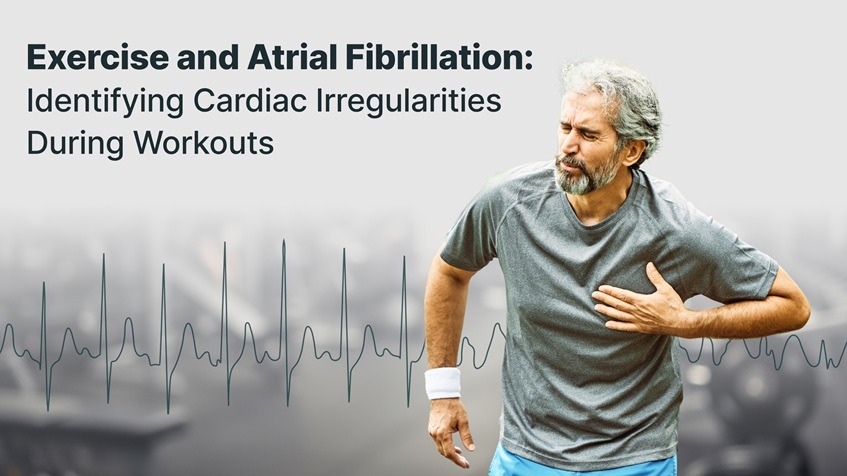
Even the Fittest Can Miss the Signs
Atrial fibrillation doesn’t discriminate – it affects everyone from retired teachers to celebrities and world-class athletes. Basketball legend Larry Bird continued competing through dizzy spells later identified as AFib. Olympic swimmer Mark Spitz, despite his elite fitness, was blindsided by the diagnosis after a post-workout episode. Even public figures like former US presidents Joe Biden and George HW Bush, Arnold Schwarzenegger, and Susan Lucci have spoken openly about living with atrial fibrillation. What connects them all isn’t just their status — it’s the fact that AF often creeps in silently, revealing itself only through persistent monitoring. Their stories underscore an important truth: staying fit doesn’t mean you’re immune to cardiac arrhythmias, and that’s exactly why continuous ECG/EKG monitors are important for uncovering what you can’t always feel.
These stories underscore a powerful truth: staying fit doesn’t mean you’re immune to cardiac arrhythmias. Continuous ECG/EKG monitors are critical for uncovering what you can’t always feel.
If you’re someone who pushes hard during a run, a bike ride, or even a dance class — and feel the occasional flutter, breathlessness, or moment of fatigue — don’t ignore it. You might feel strong, but your heart could be telling a different story. That’s where the continuous EKG monitoring technology gives you power: real insight when you need it most.
Why Exercise Can Trigger or Reveal Arrhythmias
Exercise can trigger arrhythmias by placing acute stress on the heart’s electrical system through increased sympathetic activity, elevated heart rate, and electrolyte imbalances from sweating. In individuals with genetic predispositions or structural heart conditions, this stress may provoke arrhythmias such as atrial flutter, supraventricular tachycardia (SVT), or even ventricular tachycardia
Additionally, sudden vagal rebound after intense workouts may destabilize the heart rhythm, particularly in endurance athletes. While exercise is beneficial for most, these physiological changes can unmask hidden electrical instability, making continuous ECG monitoring during and after exercise a critical tool for early detection.
Research indicates that overtraining or prolonged high-intensity activity may lead to atrial remodeling and increase the risk of AF over time — especially in athletes who have participated in endurance sports for many years. Thus, identifying early signs through wearable tech can prevent more serious episodes.
Symptoms to Watch During or After Exercise
If you have an underlying arrhythmia, symptoms may appear only when your heart is under pressure. These include:
- Shortness of breath
- Unexplained fatigue
- Rapid, irregular, or pounding heartbeat
- Dizziness or lightheadedness
- Chest discomfort or palpitations
Some people feel just a flutter; others may feel nothing at all. These subtle signs could point to atrial fibrillation or other heart irregularities that require evaluation
Unfortunately, Around one-third of those with AFib may not experience symptoms. — highlighting the importance of vigilance.
Who’s at Risk for Exercise-Triggered Arrhythmias?
- Aged adults — especially those with hypertension or prior history of cardiovascular arrhythmia
- Endurance athletes with long training histories (marathoners, triathletes, cyclists)
- Individuals with diagnosed Atrial Fibrillation (AF) with rapid ventricular response
- People with a family history of AFib or inherited arrhythmia syndromes
- Those experiencing increased palpitations, chest pressure, or breathing difficulty post-exercise
Long-term endurance sport practice is linked to a higher incidence of lone AF in men.
The Role of Continuous ECG Monitoring in Fitness
Traditional 12-lead ECG tests or short-term Holter monitors rarely capture arrhythmias that occur during physical exertion or recovery. That’s where continuous ECG monitoring becomes essential for active individuals.
These monitors offer:
- Continuous detection of AF events, bradycardia, and tachycardia
- Symptom tagging during workouts for contextual insight
- Instant syncing of ECG data to the app upon device connection, enabling timely clinician review.
Unlike smartwatches that offer brief 30-second spot checks, ECG monitors like the FDA-cleared, prescription-based Frontier X Plus and wellness-based Frontier X2 provide continuous, high-fidelity ECG data. This allows physicians to overread the recordings and detect arrhythmias that may occur during physical exertion – events often missed by short-duration monitors..
Key features include:
- Patchless and sweat-resistant, making it ideal for prolonged use during physical activity
- Delivers high-fidelity ECG data continuously, even during intense workouts
- Provides clinically reviewed summaries post-monitoring (especially if you have been prescribed a Holter monitor)
- Beneficial for individuals with existing heart conditions, athletes in post-treatment recovery, or anyone experiencing unexplained symptoms during exertion
Continuous ECG monitoring helps:
- Enable early detect for silent AF episodes
- Empower users to manage their heart health proactively
Empowering the Fitness-Minded With Better Tools
Whether you’re training for a race or simply trying to stay fit, ECG monitoring should not be an afterthought. Continuous ECG/EKG devices provide an unprecedented view into your cardiovascular rhythms — delivering actionable insights that you and your doctor can use to guide your care.
Athletes who report fluttering, skipped beats, or fatigue but receive “normal” clinic ECGs may simply not be monitored at the right time — typically when they’re resting. This is precisely why capturing data during and immediately after exertion is essential.
Moreover, for patients recovering from procedures like ablation or managing chronic AF through medication, these devices serve as a personalized health companion. They make it easier to recognize if interventions are working or if further changes are needed.
Final Thoughts
Exercise-induced arrhythmias are more common than you may think — and they often go unnoticed without the right monitoring. Whether you’re managing AF, atrial flutter, VT, SVT, or any form of EKG-detected arrhythmia, being proactive is key.
Wearable ECG monitors help bridge the gap between exercise and detection, allowing active individuals to train smarter, protect their long-term cardiovascular health, and gain peace of mind.
If you’ve experienced any irregular symptoms during workouts, or want to monitor your heart rhythm more closely, speak to your physician about using a continuous ECG/EKG device.
Related Posts
You might also like


-

Featured Articles
- Preparing for London or Boston Marathon? These Metrics...
 March 30, 2026
 - 10 Signs You Might Have Heart Disease
 March 24, 2026
 - The Best Way to Track Heart Rate in the Gym: Wrist...
 March 22, 2026
-
JOIN OUR NEWSLETTER
Get the latest articles, tips, offers & other exclusive content from Fourth Frontier.
