

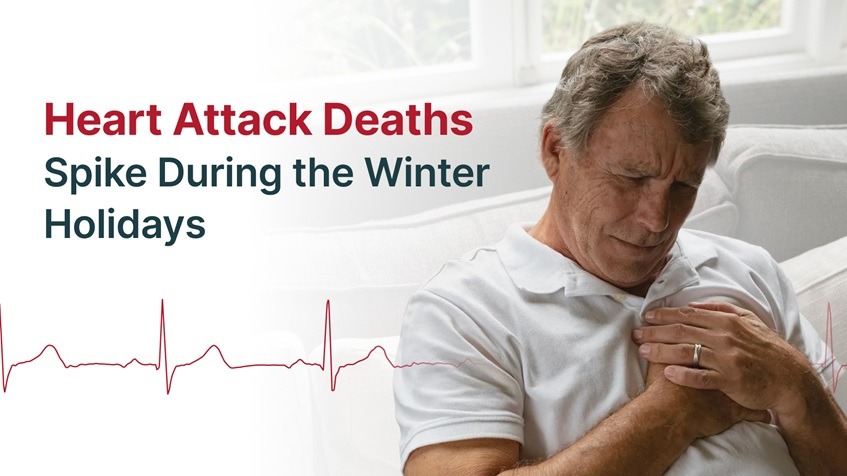
The winter holidays are supposed to be joyful. Time off work, family gatherings, travel, and celebration fill the calendar. Yet year after year, hospitals report a troubling pattern. Heart attack deaths spike during the winter holidays.
This increase is not random. Cold weather, emotional stress, lifestyle changes, and delayed medical care all combine to put extra strain on your heart. Understanding why this happens and what you can do differently during this season can make a life-saving difference.
Why Heart Attack Deaths Increase During Winter Holidays
Several risk factors come together during winter, increasing cardiovascular stress even in people who feel otherwise healthy.
Cold Weather and Heart Stress
Cold temperatures cause blood vessels to constrict. This raises blood pressure and forces your heart to work harder to circulate blood. For people with narrowed arteries or heart disease, this reduced blood flow can trigger chest pain or a heart attack.
Cold exposure also increases the risk of blood clot formation, further raising heart attack risk.
Seasonal Rise in Blood Pressure
Blood pressure tends to rise during winter months. Higher blood pressure increases strain on the heart and raises the likelihood of plaque rupture in coronary arteries.
This is one reason heart attacks are more common in winter than in warmer seasons.
Holiday Stress and Emotional Load
The holidays are emotionally intense. Travel deadlines, financial pressure, family dynamics and loneliness all activate stress hormones.
These hormones increase heart rate, elevate blood pressure, and can destabilize plaque inside the arteries, setting the stage for a cardiac event.
Holiday Eating and Alcohol Intake
Festive meals are often high in salt, sugar, and saturated fats. Excess salt increases fluid retention and blood pressure. Heavy meals force your heart to work harder.
Alcohol consumption also tends to rise during holidays. Alcohol can raise heart rate, trigger abnormal heart rhythms, and worsen blood pressure control.
Reduced Physical Activity
Cold weather and packed schedules often mean less movement. Reduced activity lowers cardiovascular efficiency and makes sudden exertion more dangerous.
A drop in regular exercise combined with overeating increases heart attack risk.
Delayed Medical Care During Holidays
One of the most dangerous holiday habits is delaying medical care. Many people ignore symptoms to avoid disrupting family plans or assume hospitals are overwhelmed.
This delay significantly increases the risk of death during a heart attack.
The Most Dangerous Days for Heart Attacks
Studies show heart attack deaths peak on Christmas Day, New Year’s Day, and the days immediately following major holidays.
Early morning hours during winter are especially risky due to higher blood pressure and increased heart strain after waking.
Who Is Most at Risk During the Winter Holidays
Certain groups face a higher risk during the holiday season.
- People with known heart disease
- Individuals with high blood pressure or diabetes
- Older adults
- People with obesity or sedentary lifestyles
- Those experiencing chronic emotional stress
Even if you feel healthy, underlying heart disease can remain silent until stress exposes it.
Common Heart Attack Symptoms You Should Never Ignore
Heart attack symptoms are not always dramatic. Many are subtle and easily dismissed.
- Chest pressure or tightness
- Pain in the arm, neck, jaw, or back
- Shortness of breath
- Cold sweats
- Nausea or dizziness
- Unusual fatigue
If something feels wrong, trust your body and seek help immediately.
How Cold and Stress Trigger Heart Attacks
Cold causes blood vessels to narrow while stress hormones raise heart rate and blood pressure. This combination increases oxygen demand while reducing blood supply to the heart.
When plaque inside arteries ruptures, a blood clot can form and block blood flow, resulting in a heart attack.
The Role of Long-Term ECG Monitoring During High-Risk Periods
Winter holidays are a high-risk period for cardiac events, especially for people with known or suspected heart conditions.
Medical-grade tools like the Frontier X Plus support long-term ECG monitoring under physician guidance. This allows clinicians to review heart rhythm and rate patterns during daily life, sleep, and physical activity.
Wellness grade devices like the Frontier X2 record ECG and heart rate data to help individuals understand how their heart responds to stress, activity, and recovery. While not diagnostic, this visibility can encourage timely medical consultation when concerning trends appear.
Long-term ECG monitoring does not replace emergency care. It supports awareness and informed discussions with healthcare professionals.
How You Can Reduce Heart Attack Risk During the Holidays
You do not need to avoid celebration to protect your heart. You need intention.
Stay Warm
Dress in layers and avoid sudden exposure to cold air. Cold stress increases blood pressure and heart workload.
Eat and Drink Mindfully
Enjoy festive foods in moderation. Limit excess salt, alcohol, and heavy meals that strain your heart.
Keep Moving
Short walks and light activity help maintain circulation and reduce stress.
Manage Stress Proactively
Breathing exercises, quiet moments, and realistic expectations help lower heart strain.
Take Medications Consistently
Never skip heart or blood pressure medications during travel or busy schedules.
Seek Medical Care Without Delay
Do not wait if symptoms appear. Hospitals are always equipped for emergencies.
Why Awareness Saves Lives
Heart attack deaths spike during the winter holidays, not because people suddenly become unhealthy but because warning signs are ignored.
Awareness leads to faster action. Faster action saves lives.
FAQs
-
Why do heart attack deaths increase during winter holidays?
Cold weather, emotional stress, dietary changes, and delayed medical care increase cardiovascular strain.
-
Are holiday heart attacks more dangerous
Yes, mortality rates are higher due to delayed treatment and symptom misinterpretation.
-
Can stress alone cause a heart attack
Severe emotional stress can trigger heart attacks, especially in people with underlying heart disease.
-
Should people with heart conditions take extra precautions in winter
Yes, staying warm, managing stress, and seeking care early are essential.
-
How can ECG monitoring help during winter
Long-term ECG monitoring supports awareness of heart rhythm and rate patterns and helps guide physician review when needed.
Final Takeaway
The winter holidays may be festive, but they are also a vulnerable time for your heart. Cold weather stress and lifestyle changes quietly increase risk.
Your heart does not take a holiday. Listening to it and acting early may be the most important decision you make this season.
Related Posts
You might also like
-

Featured Articles
- Preparing for London or Boston Marathon? These Metrics...
 March 30, 2026
 - 10 Signs You Might Have Heart Disease
 March 24, 2026
 - The Best Way to Track Heart Rate in the Gym: Wrist...
 March 22, 2026
-
JOIN OUR NEWSLETTER
Get the latest articles, tips, offers & other exclusive content from Fourth Frontier.
