

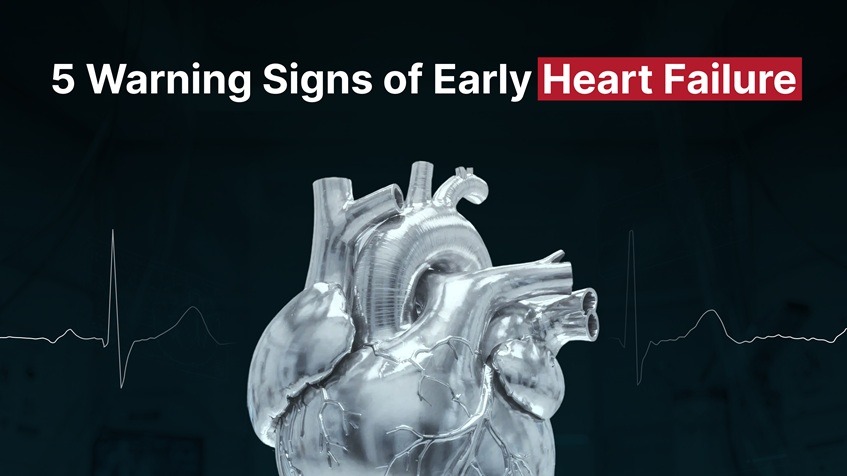
Heart failure rarely appears overnight. In most people, it develops slowly, quietly, and often without dramatic symptoms at first. You may still be going to work, exercising, and living life normally, while your heart is already struggling to keep up. That is what makes early heart failure so dangerous and why knowing the warning signs can truly save your life.
If you pay attention to your body and understand how heart health changes over time, you can take action early. Early detection allows you and your doctor to slow progression, improve quality of life, and reduce the risk of hospitalization or sudden complications.
Here are five early warning signs of heart failure that you should never ignore.
What Is Heart Failure and Why Early Detection Matters
Heart failure does not mean your heart has stopped. It means your heart is not pumping blood as efficiently as it should. This can happen when the heart muscle becomes weak, stiff, or damaged due to conditions such as high blood pressure, coronary artery disease, diabetes, or prior heart attacks.
In the early stages, the body compensates for the loss. Your heart beats faster, blood vessels tighten, and fluid retention increases. Over time, these compensations fail, and symptoms become more noticeable. Catching heart failure early allows treatment before irreversible damage occurs.
1. Shortness of Breath During Simple Activities
One of the earliest and most common signs of heart failure is shortness of breath that seems out of proportion to your activity.
You may notice that activities that once felt easy now leave you breathless. Walking up a flight of stairs, carrying groceries, or even having a long conversation may make you feel winded. Some people also experience shortness of breath when lying flat, especially at night.
This happens because fluid begins to accumulate in the lungs when the heart cannot pump blood efficiently. Even mild breathlessness should not be dismissed as aging or lack of fitness, especially if it appears suddenly or worsens over time.
2. Persistent Fatigue and Low Energy Levels
Feeling tired after a long day is normal. Feeling exhausted after minimal effort is not.
Early heart failure reduces the amount of oxygen-rich blood reaching your muscles and organs. As a result, you may feel drained, weak, or unable to sustain activity. You might notice that workouts feel harder, daily chores take longer, or you need more frequent breaks.
This kind of fatigue often persists even after rest and sleep. If you feel constantly tired without a clear reason, your heart health may be playing a role.
3. Swelling in the Feet, Ankles, or Legs
Swelling in the lower body is a classic sign of fluid retention, which commonly occurs in heart failure.
When the heart struggles to pump blood forward, fluid backs up in the veins. Gravity causes this fluid to collect in the feet, ankles, and lower legs. You may notice tight shoes, sock marks on your skin, or puffiness that worsens by evening.
In early heart failure, swelling may come and go. Over time, it becomes more persistent and may extend to the abdomen. Any unexplained swelling should be evaluated by a healthcare professional.
4. Rapid or Irregular Heartbeat
Your heart may try to compensate for reduced pumping ability by beating faster or irregularly. This can feel like palpitations, fluttering, pounding, or skipped beats.
You might notice your heart racing at rest or during light activity. In some cases, irregular rhythms such as atrial fibrillation can develop alongside heart failure, further reducing efficiency.
While occasional palpitations can be harmless, frequent or persistent changes in heart rhythm are an important warning sign and should not be ignored.
5. Sudden Weight Gain Due to Fluid Retention
Gaining two to three kilograms in a few days is unlikely to be body fat. Instead, it usually reflects fluid accumulation. This fluid may collect in your legs, lungs, or abdomen, even before visible swelling appears.
Monitoring your weight regularly can provide early clues that your heart is struggling to manage fluid balance.
Why Early Heart Failure Symptoms Are Often Missed
Many early symptoms of heart failure overlap with everyday complaints such as stress, aging, or poor sleep. People often assume they are out of shape or simply tired from work.
The problem is that heart failure tends to progress silently. By the time symptoms become severe, the condition is often advanced. That is why awareness and early evaluation are critical for long-term heart health.
The Role of Long-Term ECG Monitoring in Early Detection
Modern heart monitoring technology has made it easier to detect subtle changes before symptoms become severe.
The Frontier X Plus is a medical-grade, prescription-based, FDA-cleared long-term ECG monitor that records heart rhythm over extended periods during daily activities, sleep, and exercise. Physicians can review these recordings to assess rhythm trends and cardiac responses as part of a broader clinical evaluation.
The Frontier X2 is a wellness-grade device that records ECG and heart rate data to help individuals understand trends related to effort, strain, and recovery. While not a diagnostic tool, it can help you notice changes in heart behaviour that may prompt timely medical consultation.
Long term ECG monitoring can help identify rhythm abnormalities, persistent tachycardia, or changes in heart rate patterns that may accompany early heart failure.
What To Do If You Notice These Warning Signs
If you experience one or more of these symptoms, do not panic, but do not ignore them either.
You should:
• Consult a healthcare provider promptly
• Track symptoms and note when they occur
• Monitor weight and heart rate trends
• Follow recommended tests such as ECG or echocardiography
• Make lifestyle adjustments as advised
Early intervention can significantly improve outcomes and slow disease progression.
Lifestyle Changes That Support Heart Health
Even in early heart failure, lifestyle changes play a powerful role in protecting your heart.
You can support heart health by:
• Managing blood pressure and cholesterol
• Reducing salt intake to limit fluid retention
• Staying physically active within safe limits
• Prioritising quality sleep
• Managing stress levels
• Avoiding smoking and excessive alcohol
Combined with medical care, these steps help maintain heart function and overall well-being.
Conclusion
Early heart failure often whispers before it shouts. Shortness of breath, fatigue, swelling, irregular heartbeats, and sudden weight gain are signals your body uses to ask for attention.
When you listen early, you give yourself the best chance to protect your heart. With awareness, medical guidance, and tools such as long-term ECG monitoring, you can take control of your heart health and prevent progression before it becomes life-limiting.
Your heart works for you every moment. Paying attention to its early warnings is one of the most important decisions you can make.
FAQs
What are the early signs of heart failure?
Early signs include shortness of breath, persistent fatigue, swelling in the legs or ankles, rapid or irregular heart rate, and sudden weight gain caused by fluid retention.
What are the symptoms of an unhealthy heart?
An unhealthy heart may cause chest discomfort, breathlessness, frequent fatigue, irregular heartbeat, swelling in the lower body, dizziness, or reduced ability to exercise.
Can heart failure develop without chest pain?
Yes. Many people with heart failure do not experience chest pain. Symptoms often appear as breathlessness, fatigue, swelling, or reduced exercise tolerance.
How to avoid a heart attack while sleeping?
Managing blood pressure, controlling diabetes, avoiding heavy meals or alcohol before sleep, maintaining healthy sleep habits, and following medical advice can help reduce nighttime heart attack risk.
What is the treatment for heart failure?
Treatment may include lifestyle changes, medications to improve heart function, management of underlying conditions, and in some cases medical devices or procedures. Treatment is always individualized by a physician.
Can you live with heart failure?
Yes. Many people live full and active lives with heart failure when it is detected early and managed properly with medical care, lifestyle adjustments, and regular monitoring.
How is early heart failure diagnosed?
Doctors may use ECG tests, long-term ECG monitoring, echocardiography, blood tests, and clinical evaluation to assess heart function and identify early signs of heart failure.
Can Long-TermECG monitoring help detect heart problems early?
Long term ECG monitoring can help identify heart rhythm and rate trends during daily life, supporting physicians in early evaluation and ongoing management.
Related Posts
You might also like


-

Featured Articles
- Preparing for London or Boston Marathon? These Metrics...
 March 30, 2026
 - 10 Signs You Might Have Heart Disease
 March 24, 2026
 - The Best Way to Track Heart Rate in the Gym: Wrist...
 March 22, 2026
-
JOIN OUR NEWSLETTER
Get the latest articles, tips, offers & other exclusive content from Fourth Frontier.
