
Maximum Heart Rate: Why Inaccurate Data Can Ruin Your Training
By: Fourth Frontier -
April 21, 2026 9:17 pm

Maximum heart rate is one of the most talked-about numbers in fitness. It is used to define training zones, guide intensity, and shape everything from easy runs to all-out intervals. Many training plans, apps, and wearables rely on it.
But here is the problem! If your maximum heart rate is wrong, everything built on top of it becomes unreliable.
For runners, cyclists, and gym users who train with structure, inaccurate maximum heart rate data does more than skew a number on a screen. It can quietly affect how you train, how you recover, and how your body adapts over time.
Maximum heart rate is the highest number of beats per minute your heart can reach during intense effort. It is not a target you train at regularly, but a reference point that helps define your training zones.
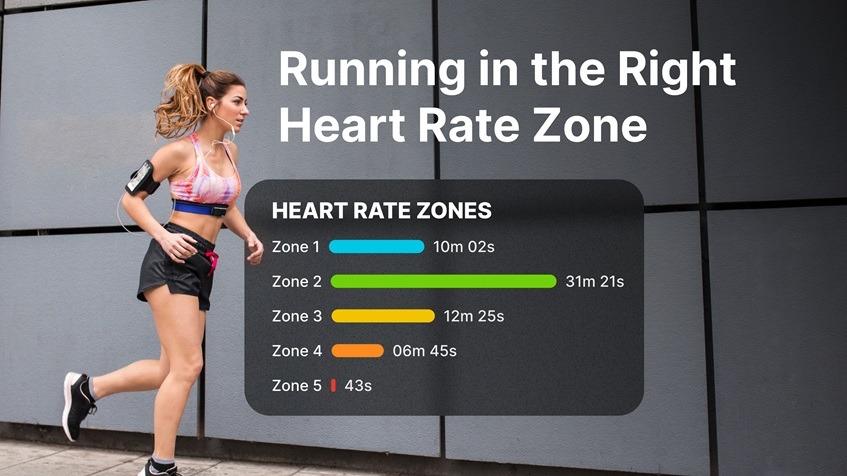
These zones are typically expressed as percentages of your maximum heart rate:
Each zone creates a different training effect. Together, they form the structure of a well-balanced program.
When your maximum heart rate is accurate, these zones are meaningful. When it is not, your entire training intensity shifts.
A common assumption is that being off by a few beats does not matter.
In reality, even a difference of 8–10 beats per minute can significantly change how a workout feels and what it does for your body.
For example:
This leads to training that feels harder than intended.
On the other hand:
You may train too easily during sessions that are meant to be challenging.
Over time, these small mismatches change how your body adapts.
Easy runs are meant to feel controlled and sustainable. They help build endurance and support recovery.
If your maximum heart rate is underestimated, your “easy zone” may actually be too intense.
Instead of feeling relaxed, your runs start to feel slightly strained.
Over weeks, this adds unnecessary fatigue.
High-intensity sessions, including intervals and threshold workouts, rely on precise effort.
If your zones are off:
In both cases, the workout does not deliver what it is supposed to.
Recovery is not just about rest days. It is about how your body responds between sessions.
When your heart rate data is inconsistent:
This creates a cycle where fatigue builds without clear warning.
Long runs are where endurance is built. They are also where small pacing errors can add up.
If your heart rate zones are inaccurate:
Over the course of 15 to 20 miles, these small misjudgments can affect how you feel in the final miles.
Training is not just about individual workouts. It is about trends over time.
You might look for signs like:
If your maximum heart rate is wrong, these trends become harder to interpret. You may think you are improving when you are not, or miss real progress because the data is inconsistent.
Many devices and training plans estimate maximum heart rate using formulas like:
220 minus age
While simple, this method is only a rough average. Actual maximum heart rate varies widely between individuals.
Two people of the same age can have very different maximum heart rates.
Other common issues include:
If your device never records your true peak, your “maximum” becomes an underestimate.
Maximum heart rate is not something you guess. It is something you observe during real effort.
To capture it accurately, your device needs to:
This is where the type of heart rate measurement matters.
Wrist-based optical sensors estimate heart rate using blood flow. During high-intensity or dynamic movement, they may:
This can lead to a lower recorded maximum heart rate than what your body actually reached.
Chest-based monitoring measures the electrical activity of the heart directly. Because it captures each heartbeat at the source, it provides:
This makes it easier to record true maximum effort during:
When your maximum heart rate is based on real data rather than estimation, your training zones become more reliable.
Frontier X2 is a chest-worn wellness device that records ECG and heart rate during training, rest, and recovery. By capturing the electrical signal of each heartbeat, it provides stable heart rate data even during high-intensity sessions.
This allows you to:
While it is not a diagnostic device, it gives you a clearer picture of your effort and trends over time. For athletes who rely on heart rate to guide training, that consistency can make a meaningful difference.
When your maximum heart rate is accurate, your training becomes more aligned with your goals.
Instead of second-guessing your effort, you can trust what you see.
This does not mean every workout becomes perfect.
It means your decisions are based on reliable feedback.
Maximum heart rate is like the foundation of a house, and if the foundation is slightly off, everything built on top of it shifts. You may not notice it immediately, but over time, the structure becomes less stable.
Training works the same way; when your base number is accurate, everything else falls into place more naturally.
Maximum heart rate is not just a number you glance at during a workout. It’s a reference point that shapes how you train, pace, and adapt over time. If that number is inaccurate, your training can quietly drift away from its intended purpose without you realizing it. When your measurement is reliable, it brings clarity to your decisions, helping you understand when to push, when to hold back, and when to recover.
Over weeks and months, that clarity builds into more consistent progress, stronger performance, and fewer setbacks. Because in the end, it’s not just about how hard you train, but whether you’re training at the right intensity, at the right time, with data you can trust








JOIN OUR NEWSLETTER
Get the latest articles, tips, offers & other exclusive content from Fourth Frontier.
