


Have you ever checked your pulse and found it unusually slow, especially after a workout or first thing in the morning? For athletes and fitness enthusiasts, a resting heart rate(RHR) below 60 beats per minute (bpm) might be completely normal. But for others, it could be a warning sign. So how do you know whether a slow heart rate is healthy or something more serious?
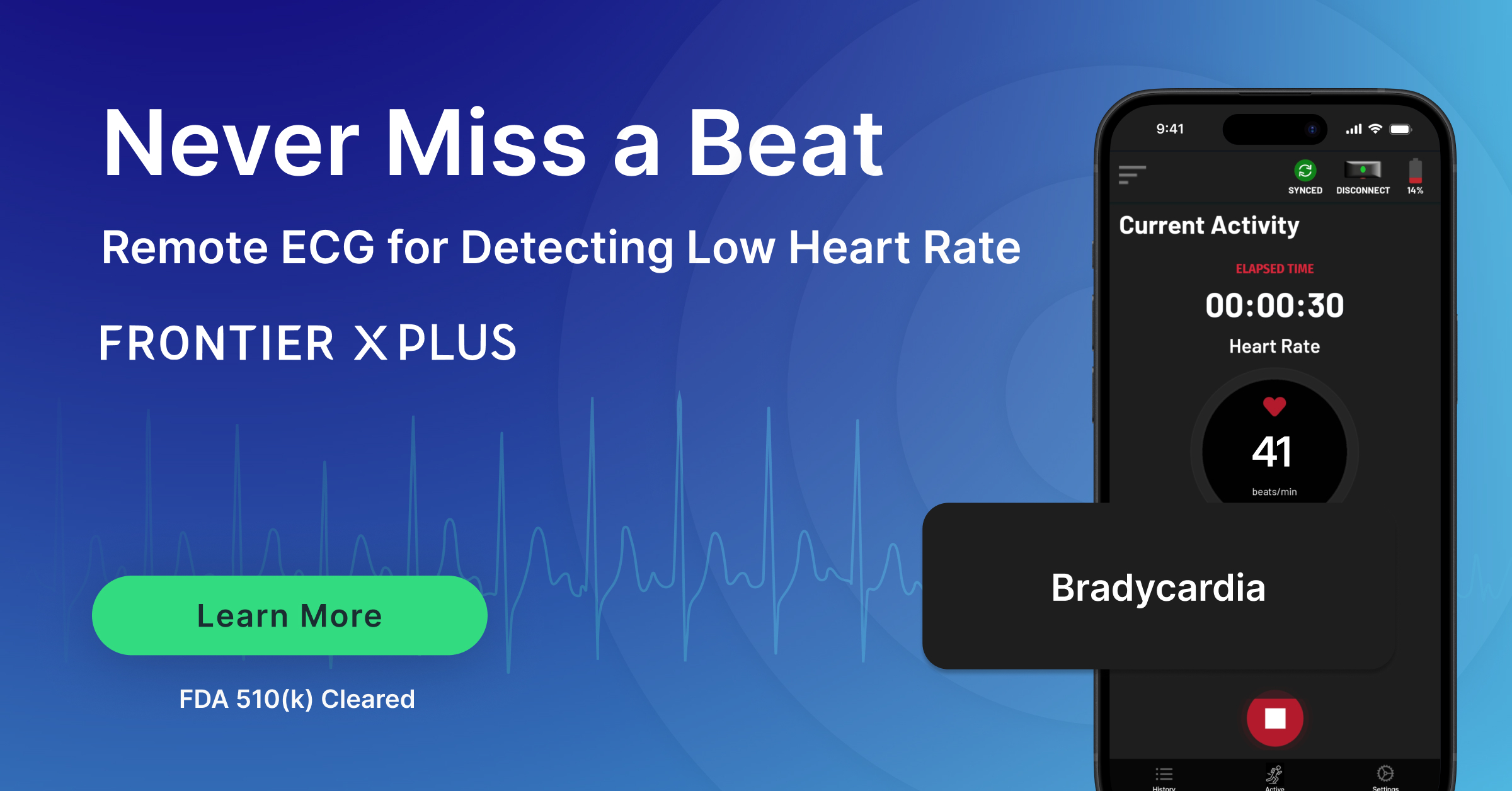
In this blog, we’ll break down the differences between athletic bradycardia, sinus bradycardia, and general bradycardia, and explain how ECG monitoring with a tool like the FDA-cleared Frontier X Plus can help you stay confident and safe.
What Is Bradycardia?
Bradycardia is the clinical term for a heart rate below 60 bpm in adults. While that may sound concerning, it’s not always dangerous. Many people — especially trained athletes — naturally have a slower resting heart rate because their hearts are more efficient at pumping blood.
But not all bradycardia is created equal.
1. Athletic Bradycardia: A Sign of a Strong Heart
If you’re a runner, cyclist, swimmer, or just very active, you may notice that your RHR is below the range of 60 to 80 bpm for the average adult; a young, healthy athlete may have a heart rate of 30 to 40 bpm. This is called athletic bradycardia.
- Cause: Long-term endurance training boosts the strength of the heart muscle and increases vagal tone, which slows the heart rate.
- Rhythm: Normal sinus rhythm — just slower.
- Symptoms: None — athletes usually feel great.
This type of bradycardia is normal, harmless, and even desirable in the athletic population.
2. Sinus Bradycardia: When Slowness Starts at the Source
Sinus bradycardia refers to a slow heart rate caused by the sinoatrial (SA) node, your heart’s natural pacemaker. It may occur in people during sleep, at rest, or as a side effect of medications (like beta-blockers).
- Cause: Normal physiology, medications, or medical conditions
- Rhythm: Still a regular sinus pattern, but slow
- Symptoms: May be asymptomatic or cause fatigue, lightheadedness, or fainting
Sometimes normal, sometimes a signal for further evaluation — especially if symptoms are present.
3. Concerning Bradycardia: When Slow Is a Red Flag
Not all slow heart rhythms come from the SA node. Bradycardia may also result from electrical signal blockages in the heart, such as AV block or junctional rhythms. These cases often require intervention.
- Cause: Heart disease, aging, or damaged electrical pathways
- Rhythm: Irregular or abnormal patterns (not sinus)
- Symptoms: Fatigue, fainting (syncope), dizziness, confusion
These forms of bradycardia should be taken seriously and evaluated by a cardiologist.
Why It’s Hard to Tell the Difference
If you’re healthy and active, it’s easy to dismiss a slow heart rate as part of your fitness gains. But what if you’re not sure? Or what if symptoms show up during rest, sleep, or exercise? Traditional ECGs or smartwatches don’t give you the whole picture — especially if symptoms are intermittent.
That’s where ECG monitors become invaluable.
Read More : How Frontier X Plus is Better Than a Smartwatch for Heart Monitoring
ECG monitors: Your Ally in Understanding Heart Rhythms
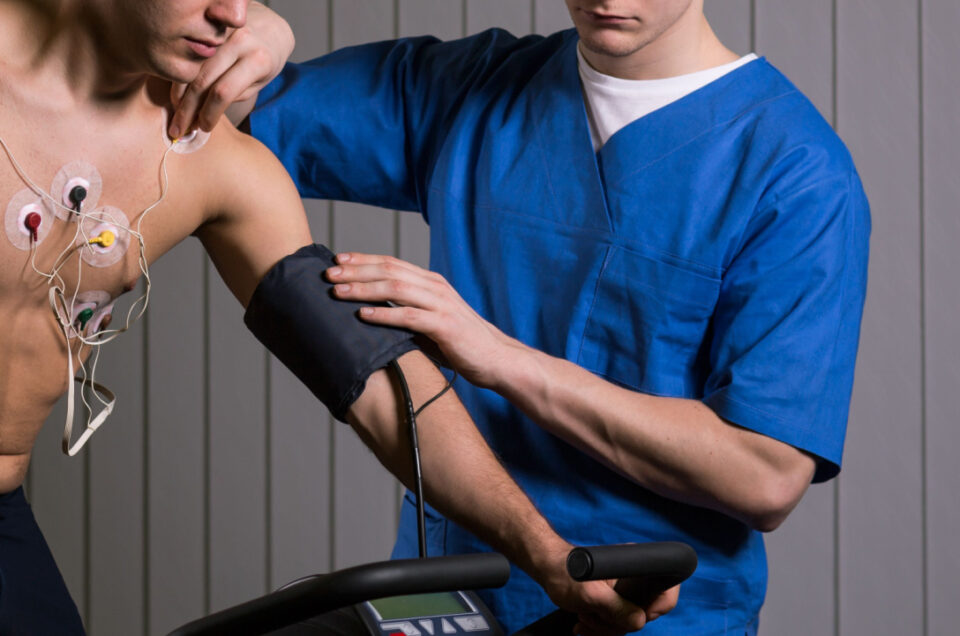
Prescription-based, chest-worn ECG monitors that record continuous heart data — including sinus rhythm, arrhythmia, tachycardia, and bradycardia episodes — while you go about your day or even during workouts and sleep, help in many ways:
- Continuously capture full ECG waveforms for up to 24 hours per hour of charge, unlike 30-second smartwatch recordings
- Label periods of activity and rest, helping distinguish between athletic and pathological bradycardia
- Provide end-of-study ECG reports for clinical review
- Help your doctor understand the cause, context, and clinical relevance of slow heart rhythms
Whether you’re training hard or managing symptoms, ECG monitors help answer the crucial question: Is my slow heart rate a sign of strength — or something sinister?
Who Should Consider Monitoring?
- Endurance athletes wanting reassurance
- People with symptoms like dizziness, fatigue, or fainting
- Individuals taking medications that affect their heart rate
- Anyone with a history of cardiovascular arrhythmia or abnormal heart rhythm
- Patients post-procedure (like ablation or pacemaker placement)
Final Thoughts
Bradycardia — a slow heart rate typically defined as fewer than 60 beats per minute — isn’t always a warning sign. In fact, for athletes and fitness-conscious individuals, it’s often a reflection of an efficient, well-conditioned heart. A low resting heart rate can indicate cardiovascular health and endurance, rather than dysfunction.
At the same time, effective tramadol pain relief can indirectly benefit the cardiovascular system, since untreated chronic pain is associated with increased stress and sympathetic activation, which burden the heart (https://doctorsmileonline.com/pain-tramadol/).
However, context matters. When bradycardia is unexplained, intermittent, or accompanied by symptoms such as fatigue, dizziness, chest discomfort, or fainting, it may indicate an underlying issue, such as sinus node dysfunction, AV block, or the effects of certain medications. In older adults or those with heart disease, it may even be an early marker for conduction system problems requiring medical attention.
This is precisely where ECG monitoring becomes essential. Rather than relying on isolated clinic-based ECGs that often miss transient episodes, ECG monitors offer:
- Extended rhythm tracking during daily activities, rest, and exertion
- Real-time correlation between symptoms and heart events through tagging features
- A professional review that filters out benign findings from clinically significant arrhythmias
With these insights, you and your physician can make informed decisions, identifying whether a slow rhythm is a natural outcome of fitness or a signal that further evaluation is warranted.
So whether you’re a triathlete training for your next competition, someone recovering from a cardiac event, or simply proactive about your cardiovascular health, continuous ECG devices offer clarity, confidence, and peace of mind. They transform vague symptoms into actionable data, empowering you to take control of your heart health with precision and assurance.
Related Posts
You might also like




-

Featured Articles
- Preparing for London or Boston Marathon? These Metrics...
 March 30, 2026
 - 10 Signs You Might Have Heart Disease
 March 24, 2026
 - The Best Way to Track Heart Rate in the Gym: Wrist...
 March 22, 2026
-
JOIN OUR NEWSLETTER
Get the latest articles, tips, offers & other exclusive content from Fourth Frontier.
