

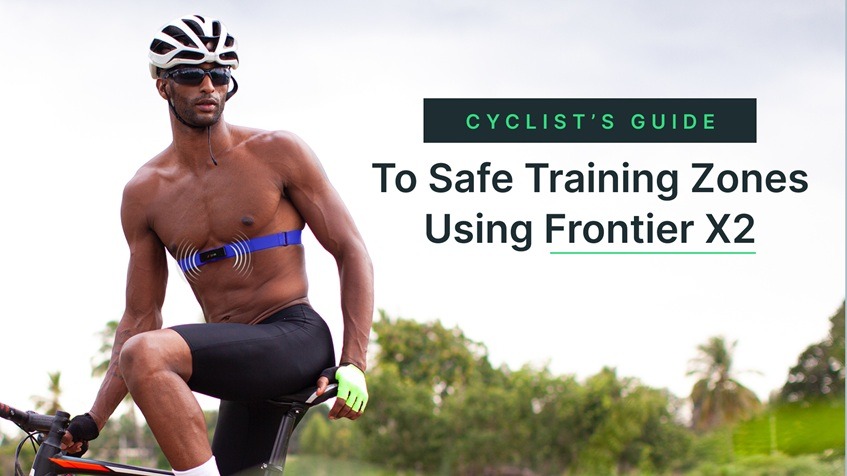
Long rides can feel powerful, freeing, and addictive. The rhythm of your legs, the open road, and the steady pull of your heart pushing blood through your body make cycling one of the most rewarding endurance sports. But behind that feeling of strength lies something deeper, your heart. And learning how to train in the right heart zones can mean the difference between steady progress and burnout, injury, or even hidden cardiac stress.
This is where the Frontier X2 (FX2) becomes more than just another wearable. It becomes your personal guide to safer, smarter, and more sustainable cycling.
Why Training Zones Matter for Cyclists
If you ride regularly, you have probably heard about heart rate zones. These zones help structure your training so that you are not just pedalling harder, but pedalling smarter.
Training zones reflect how your body and heart respond to effort. Staying in the right zone allows you to build endurance, increase speed, and recover properly. Pushing too hard too often can lead to overtraining, fatigue, and heart rhythm stress.
The Frontier X2 helps you understand these zones more clearly by using EKG-based heart monitoring rather than simple optical wrist sensors.
Understanding Your Heart Rate Zones
Zone 1: Very Easy Recovery Riding
This is your relaxed riding pace. Your breathing is steady, your legs feel light, and you can comfortably hold a conversation.
With Frontier X2, you can observe how calm your heart looks in this zone. This is important for recovery days and active rest.
Zone 2: Endurance Training
This is where most long-distance cycling should happen. You are working but not struggling. Your heart rate is elevated but controlled.
Many cyclists train too hard and skip this zone, but Zone 2 is where cardiovascular fitness truly develops.
The FX2 helps you stay here by tracking your heart rate trends in real time.
Zone 3: Tempo Riding
This zone feels moderate to challenging. You are putting in more effort, but still in control.
Frontier X2 data can show how smoothly your heart adapts when intensity increases, helping you avoid sudden strain.
Zone 4: Threshold Training
Here you are near your maximum sustainable effort. Breathing is heavy, and conversation is difficult.
This zone is excellent for performance gains but should be used carefully. The FX2 helps you monitor your heart stability while pushing your limits.
Zone 5: Maximum Effort
This is sprint-level intensity. You can only hold it for short bursts.
With Frontier X2, you can see how your heart reacts under extreme load, which is crucial for safety and performance awareness.
Why EKG Is Better Than Simple Heart Rate
Traditional heart rate monitors tell you how fast your heart is beating. But they do not tell you how well your heart is beating.
The Frontier X2 records actual EKG signals, which show the electrical activity of your heart. This means you are not just tracking effort, but also cardiac stability.
For cyclists, this is game-changing. You can see how your heart responds to hills, heat, dehydration, stress, and fatigue in real time.
How Frontier X2 Helps You Train Safer
-
Prevents Overtraining
If your heart shows signs of stress even at low intensity, FX2 alerts you that you may need a lighter training day.
-
Improves Recovery Awareness
By tracking heart rate variability and rhythm trends, FX2 helps you understand whether your body is truly recovered before your next hard ride.
-
Optimises Long Distance Performance
Instead of guessing your effort, you can train based on real physiological feedback, leading to better endurance and fewer setbacks.
Cold Weather Cycling and Your Heart
Cycling in cold temperatures increases your heart workload. Blood vessels constrict, blood pressure rises, and heart rate can spike.
With Frontier X2, you can monitor how your heart responds to winter rides, helping you adjust intensity accordingly.
Heat, Hydration, and Heart Safety
Hot weather makes your heart work harder. Dehydration thickens your blood, increasing strain.
Using Frontier X2, you can track your heart response to heat stress and make smarter hydration decisions.
Role of Long-term EKG Monitoring
Long-term heart monitoring is becoming an essential tool for serious cyclists and heart-conscious riders.
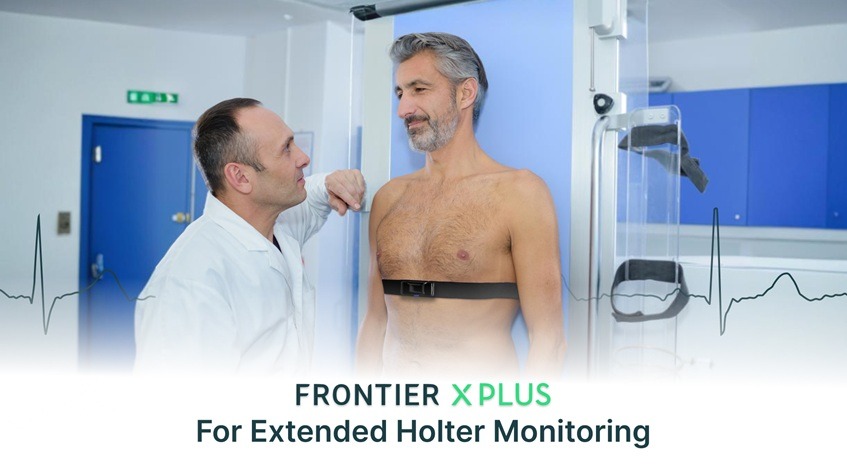
The Frontier X Plus is a medical-grade, US FDA-cleared long-term EKG monitor that records continuous heart rhythm data for clinical evaluation. Physicians use it to review rhythm trends, detect abnormalities, and understand how your heart behaves during daily life and exercise.
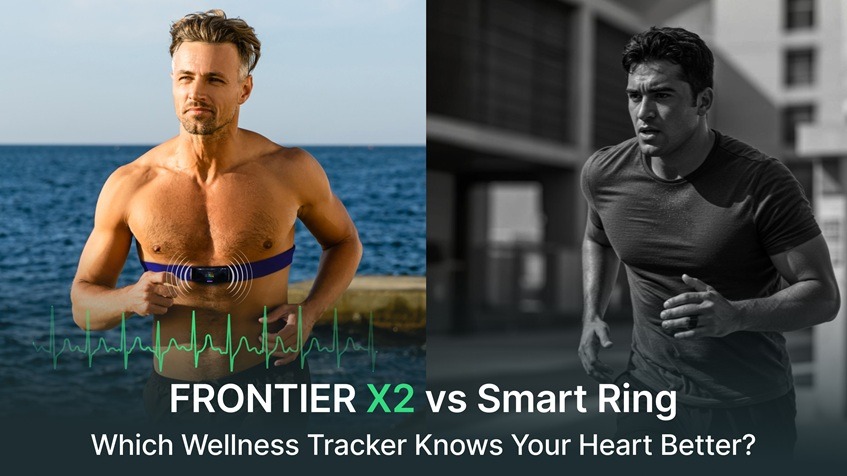
The Frontier X2 is a wellness-grade chest-worn device that records EKG and heart rate data to help you understand effort, strain, recovery, and training trends.
Sample: How to Use FX2 in Your Weekly Cycling Plan:
Monday: Recovery Ride
Stay in Zone 1 and Zone 2. Let FX2 guide your calm pacing.
Wednesday: Tempo Session
Use Zone 3 data to build steady endurance.
Friday: Threshold Training
Monitor Zone 4 closely using FX2 EKG feedback.
Sunday: Long Endurance Ride
Keep mostly in Zone 2, using FX2 to prevent drift into higher zones.
Common Mistakes Cyclists Make With Heart Zones
-
Going Too Hard Too Often: Many cyclists skip easy days. FX2 helps correct this.
-
Ignoring Recovery Signals: If your heart shows strain, you should rest.
-
Relying Only on Speed or Power: Heart data is more important than numbers on your bike computer.
Optimised FAQs
-
What is the best heart rate zone for long-distance cycling?
Zone 2 is best for long-distance cycling because it builds aerobic endurance while keeping stress manageable.
-
Can FX2 improve cycling performance?
Yes. FX2 helps you train in the correct zones, optimise recovery, and avoid overtraining, leading to better performance.
-
Is EKG monitoring better than wrist heart rate tracking?
Yes. EKG records electrical heart signals directly, making it more accurate and reliable during intense cycling.
-
Can FX2 help prevent cycling-related heart issues?
Yes. By detecting stress patterns and irregular rhythms, FX2 supports safer training decisions.
-
Should beginners use FX2 for cycling?
Absolutely. Beginners benefit from understanding safe training zones and avoiding excessive strain early on.
-
How does cold weather affect heart rate while cycling?
Cold causes blood vessel constriction, raising heart rate and blood pressure. FX2 helps you monitor this safely.
-
Does dehydration affect cycling heart rate?
Yes. Dehydration increases heart strain and can raise heart rate, which FX2 can help you track.
Final Thoughts
Training smarter is not about pushing harder. It is about listening to your heart.
With the Frontier X2, you gain a window into how your heart truly responds to every ride. Whether you are a beginner, a seasoned cyclist, or a long-distance endurance rider, understanding your heart zones will keep you safer, stronger, and more consistent on the road.
Your heart fuels every pedal stroke. Train it wisely.
Related Posts
You might also like



-

Featured Articles
- Preparing for London or Boston Marathon? These Metrics...
 March 30, 2026
 - 10 Signs You Might Have Heart Disease
 March 24, 2026
 - The Best Way to Track Heart Rate in the Gym: Wrist...
 March 22, 2026
-
JOIN OUR NEWSLETTER
Get the latest articles, tips, offers & other exclusive content from Fourth Frontier.
