
Your 5th Fitness Gadget or Your First Serious Heart Rate Monitor? A Black Friday Reality Check
By: Fatima Z -
November 3, 2026 2:06 pm

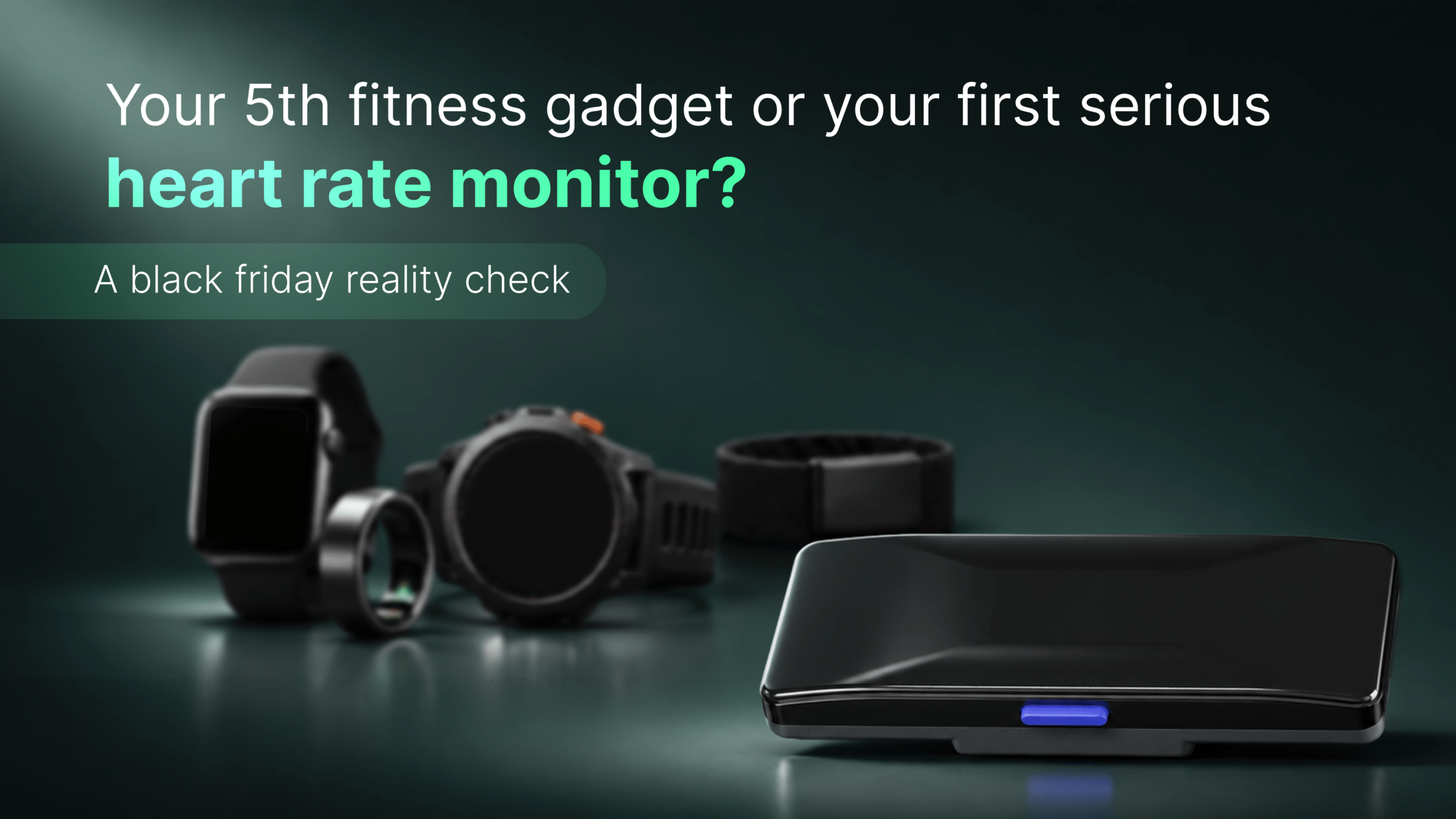
Black Friday 2026 is bringing another wave of fitness technology deals. Smartwatches, smart rings, recovery trackers, and connected fitness equipment are competing for attention, each promising better insights into our health.
For adults over 30, staying active and maintaining long-term fitness are often important priorities. And technology has made it easier than ever to track progress.
But with so many devices collecting similar information, how do you decide which upgrade is genuinely worth making?
The answer may have less to do with how many metrics a device tracks and more to do with what those metrics help you understand.
Fitness Tracking Is Popular. But Is More Data Always Better?
Wearable technology continues to dominate fitness trends. In its recently published 2027 Worldwide Fitness Trends report, the American College of Sports Medicine (ACSM) ranked wearable technology as the number one trend for the tenth time.
The growing popularity of wearables reflects a genuine interest in understanding personal fitness and health.
Today’s devices can track everything from daily steps and sleep patterns to heart rate and workout intensity.
However, recording activity and understanding the body’s response to that activity are two different things.
Consider two five-mile runs completed at the same pace. One feels comfortable, while the other requires considerably more effort.
Distance and pace alone cannot explain the difference.
Heart-rate response, training load, environmental conditions, and recovery patterns can provide additional context.
For someone training consistently, that information can be more useful than another daily activity score.
Why Heart Rate Accuracy Deserves More Attention
Not all heart rate monitors measure heart activity the same way.
Most smartwatches use optical sensors to estimate heart rate through changes in blood flow beneath the skin. Chest-based ECG monitors, on the other hand, detect the electrical signals generated by each heartbeat.
But does this difference affect accuracy?
A 2025 study published in Sensors compared chest-based and wrist-worn heart-rate monitors against a clinical 12-lead ECG during rest and varying levels of walking intensity.
The study observed that wrist-based measurements became less accurate during rapid changes in heart rate, while the chest-based monitor maintained stronger agreement with clinical ECG readings.
The researchers also found that the chest-based monitor recorded a median absolute percentage error of 2.28%, lower than the wrist-worn devices tested.
These findings don’t suggest that all smartwatches are inaccurate. They highlight how measurement technology and activity conditions can influence reliability. The research evaluated specific devices during rest and walking, rather than strenuous endurance or strength training.
For runners, cyclists, and fitness enthusiasts who rely on heart-rate zones to guide workout intensity, dependable measurements provide a stronger foundation for understanding training effort.
Beyond Tracking Workouts: Understanding Training Effort
The American Heart Association recommends at least 150 minutes of moderate-intensity or 75 minutes of vigorous aerobic activity per week for adults.
But as exercise becomes part of a regular routine, understanding how the body responds to that effort becomes increasingly useful.
Heart rate is an important starting point, but it doesn’t tell the entire story.
Strain helps describe how demanding an individual workout was on the cardiovascular system.
Training load tracks accumulated exercise effort, providing context for changes in workload over time.
Heart-rate variability (HRV) trends offer additional information about the body’s response to training and recovery.
These measurements aren’t medical diagnoses or definitive indicators of fitness. Their value lies in helping individuals recognize patterns, manage workout intensity, and make more informed training decisions.
The goal isn’t necessarily to collect more data. It’s to understand what the data means.
Making a Smarter Fitness Investment This Black Friday
With fitness technology becoming increasingly sophisticated, choosing the right device comes down to understanding what you actually need.
Before investing in another wearable, consider three questions:
For individuals seeking more detailed exercise insights, Frontier X3 combines chest-based ECG heart rate measurement with advanced fitness monitoring.
Beyond heart rate, it tracks strain, training load, breathing rate, cardiac age trends, body shock and HRV trends. Personalized vibration alerts also help users stay within selected heart-rate zones without repeatedly checking a screen.
It’s designed to help people understand not just how much they exercise, but how their bodies respond to that effort.
This Black Friday, the most valuable fitness upgrade may not be the device that tracks the most. It may be the one that helps you make better use of the information you collect.





JOIN OUR NEWSLETTER
Get the latest articles, tips, offers & other exclusive content from Fourth Frontier.
