Atrial fibrillation is a chronic, usually progressive condition that causes frequent, recurrent episodes in patients throughout their lifetimes. A patient with AFib is more likely to experience potentially fatal consequences such as a stroke, heart attack, or heart failure.
As per a study (ref. link), up to 47% of AFib patients say their quality of life has decreased, 25% say their daily routines have been disrupted, and 19% say their functional status has been compromised. Caring for individuals with AFib can be demanding because it significantly disrupts carers’ daily lives, causing schedule conflicts and financial strain.
These issues can develop due to passive blood flow and diminished pumping action. While some AFib sufferers show no symptoms, others report various symptoms. AFib raises the chance of developing heart conditions, including stroke. You run an increased chance of developing further cardiac rhythm abnormalities if you have AFib.
Atrial Fibrillation Diagnosis
Even though AFib is a chronic illness, you can still live a long and active life with proper management of the disease. You can take several actions to manage your condition, reduce your risk of stroke, and ease any anxieties you might have. These consist of the following:
- Educating yourself on your ailment, Atrial Fibrillation symptoms & signs, causes, and remedies
- Maximising your network of supporters (including those close to you and your healthcare team)
- Hearing from other people who have AF.
Setting Heart Health Objectives
Along with beginning your treatment programme, lifestyle adjustments can help you feel better, control your AF, and reduce your risk of consequences like stroke or heart failure. You can achieve the lifestyle changes you wish to make by setting goals. Make sure your objectives are both attainable and realistic. Your chances of success are higher if you:
- Decide on a goal that is very important to you and put it in writing.
- Organise your strategy for achieving the objective.
- Obtain assistance from those around you.
- Think of ways to overcome obstacles and increase your confidence.
What Effects Does AFib Have on Relatives?
3% of geriatric patients (ref. link) and 80% of stroke patients need caregiver support, which can include checking for bleeding symptoms or opening medication packages, among other things.
The daily lives of caregivers of AFib patients undergo significant changes, including schedule disruptions, financial strain, a lack of family support, and health issues. The caregiver stress may result in less effective patient care, psychological and physical exhaustion, and poor patient outcomes. By the third month of recovery, more than 40% of stroke patients receiving treatment require further assistance (ref. link).
What is the Effect of Stroke on Quality of Life?
One of the worst possible effects of AFib (ref. link) is stroke, which can seriously affect one’s ability to function physically, mentally, and socially. Paralysis, sadness, personality changes, communication issues, anxiety, memory loss, and cognitive impairment are major drawbacks following a stroke.
A second stroke will occur in 30% of people who have had a stroke (ref. link), and the risk is roughly nine times higher than the risk of stroke in the general population. Patients with AFib often experience more severe and debilitating strokes than people without the illness.
Maintaining Healthy Connections
People close to you will probably feel the effects of an AFib diagnosis. It’s typical for family members and close friends to experience fear or anxiety in the wake of your AFib diagnosis. It can be challenging for those around you to comprehend what you’re going through because AFib frequently has no obvious, visible symptoms. This could cause resentment and dissatisfaction. Because of this, it’s crucial to have strong communication with your family.
Having frank and open discussions might help you feel less stressed. No one should be left out of these discussions, not even kids.
Advice on effective communication
- Select a time when there won’t be any interruptions to discuss your illness with your family.
- Positively express your emotions using “I” statements rather than “you” comments.
- Seek assistance
- Make a list of inquiries.
Intimacy and Sex
Following an AFib diagnosis, people frequently have a lot of anxiety about intimacy and sexual interactions. People with AFib avoid having sex because it may create heart palpitations. The partners of people with AFib frequently worry that having sex would harm their loved one’s health. This may cause people to lose interest in or confidence in engaging in sexual activity, which would be detrimental to their relationship.
In addition, people with atrial fibrillation may suffer from physical conditions like erectile dysfunction occasionally. As per a research report, the overall prevalence of erectile dysfunction among AFib patients is 57% (ref. link). Some drugs used to treat AFib may also lead to issues.
However, like other forms of exercise, having sex is healthy for your heart and overall health. Hormones like Endorphins that are released during sex can counter depression and anxiety (ref. link), both of which increase the risk of heart disease. If you’re having problems with your sex life, go to your doctor, as they might be able to change your prescription or discover other ways to help.
Atrial Fibrillation and Fitness
Initially diagnosed with AF, you might have been concerned that working out might cause an episode or exacerbate your disease. In actuality, exercise is crucial to your long-term health and welfare. Routine exercise
- Lowers the risk of a stroke
- Minimises AFib symptoms
- Can gradually drop your resting heart rate
- Lowers your risk of developing other heart diseases
- Enables you to control your weight
- Increases your well-being and mood.
Muscular and Skeletal Systems
You could develop fluid retention in your feet, ankles, and legs if you have AFib. Common symptoms include irritation and muscle weakness when performing previously ordinary tasks. The effects of AFib may generally impair your capacity for activity.
Everyone has a unique AFib experience. While some people manage the illness effectively, receiving an AFib diagnosis can be extremely distressing for some people, leaving them with feelings of lack of confidence, worry, and perhaps even melancholy. Following the above-mentioned steps can assist control your AF.
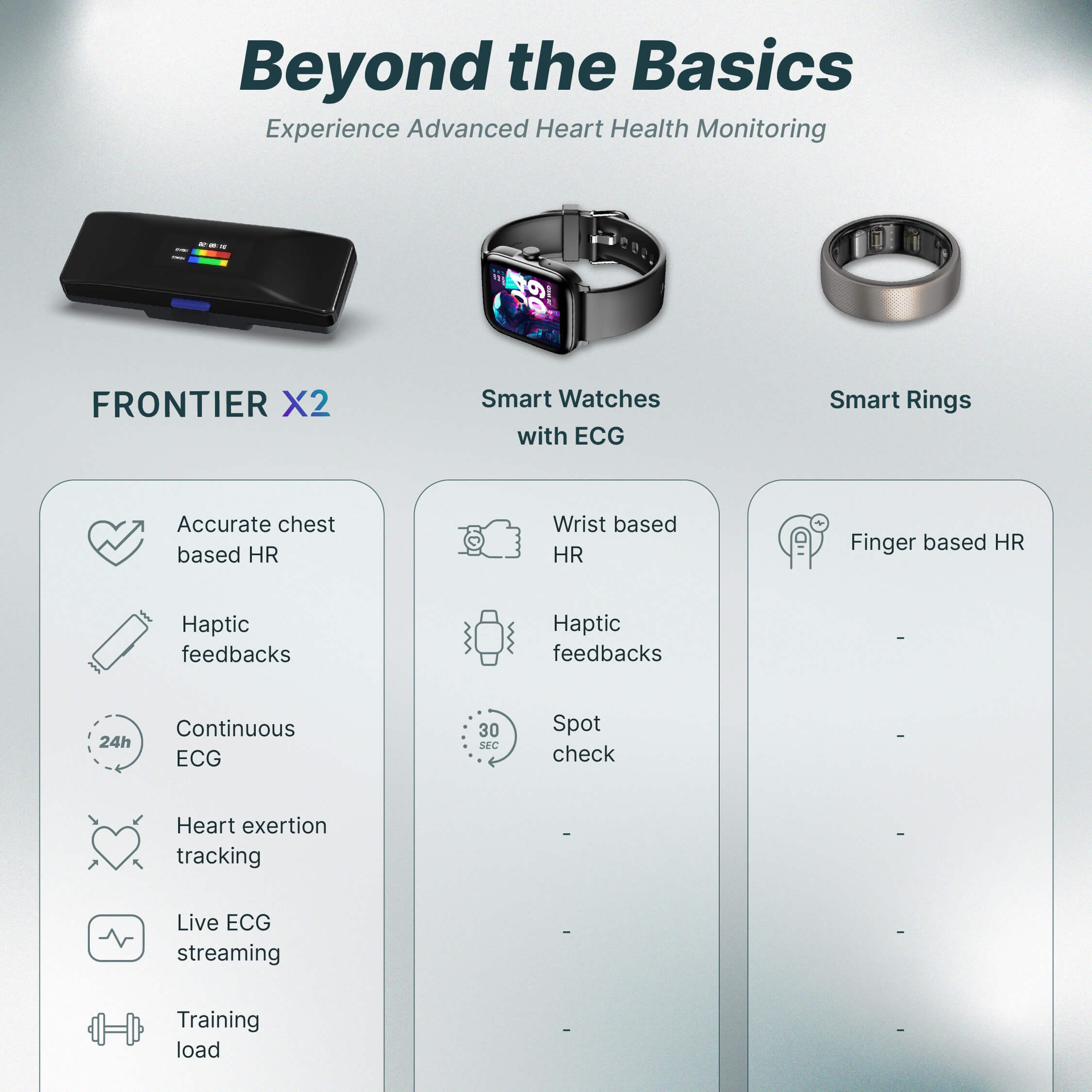
Keep a track of your heart activities using the Frontier X2 ECG fitness tracker, so you can maintain a healthy heart and understand activities that cause fluctuations in your heart rate.
Frequently Asked Questions on Impact of Atrial Fibrillation :
How does arrhythmia affect your daily life?
Arrhythmia can affect one’s daily life as it can make you feel weak, chest pain, shortness of breath, loss of energy.
What are the consequences of atrial fibrillation?
Atrial fibrillation can lead to a reduced blood pressure, lower exercise capacity and cardiovascular conditions that may lead to a heart failure.
Can you live a normal life with atrial fib?
With proper treatment and medical supervision, it is possible for individuals to live a normal and active life (ref. link).
Does AFib make you feel tired?
If you are suffering from atrial fibrillation you may feel weak, fatigued, light headed and unable to exercise as per normal capacity.
How does atrial fibrillation make you feel?
Atrial fibrillation can make you tired, dizzy and short of breath. You might also experience heart palpitations, fluttering or irregular heartbeat.
Other Heart Health Topics To Explore:
Heart Palpitations After Eating | Acid Reflux | | Increased Heart Rate | Healthy Heart Diet | Heart Arrhythmia | Heart Palpitation | Running Heart Rate Zones | Low Heart Rate | Heart Rate Monitors
Frontier X2:
Smart Heart ECG Monitor in USA | ECG Machine Price in India | Best Heart Rate Monitor UK