
VO₂ Max Training for Marathon Runners: How to Increase Speed Without Losing Endurance
By: Fourth Frontier -
April 4, 2026 12:52 pm

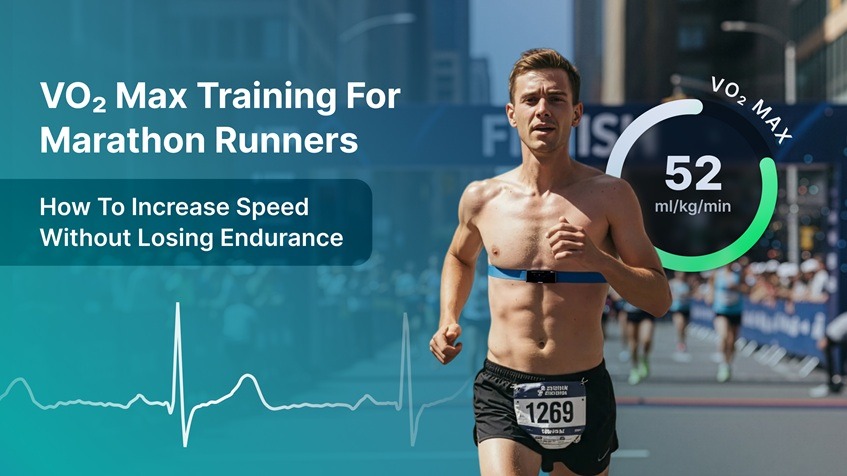
Marathon runners spend most of their training building endurance, but speed still matters. The ability to run faster at the same effort often comes down to one key factor: VO₂ max.
Improving VO₂ max can make marathon pace feel easier, help you handle hills more comfortably, and allow you to finish strong instead of slowing down late in the race.
The challenge is that many runners try to increase speed by adding more hard workouts, and in the process, they lose the endurance they worked so long to build. The goal of VO₂ max training for marathon runners is not just to get faster, but to get faster without sacrificing aerobic durability.
When done correctly, VO₂ max work adds power to your engine while Zone 2 and threshold training keep that engine efficient.
VO₂ max refers to the maximum amount of oxygen your body can use during intense exercise. In simple terms, it reflects how strong your cardiovascular system is when effort is high.
For marathon runners, a higher VO₂ max usually means:
Even though the marathon is mostly aerobic, VO₂ max still matters because it sets the ceiling for performance. The higher the ceiling, the easier it is to run at a steady pace below it.
Think of it this way:
If your top speed improves, your marathon pace takes up a smaller percentage of your maximum effort.
Some runners avoid high-intensity training because they are afraid of losing endurance. Others do too much speed work and end up tired all the time.
Both mistakes come from misunderstanding how VO₂ max training should fit into a marathon plan.
Proper VO₂ max sessions help you:
These changes make marathon pace feel more controlled, not more stressful.
The key is balance. VO₂ max training should support endurance, not replace it.
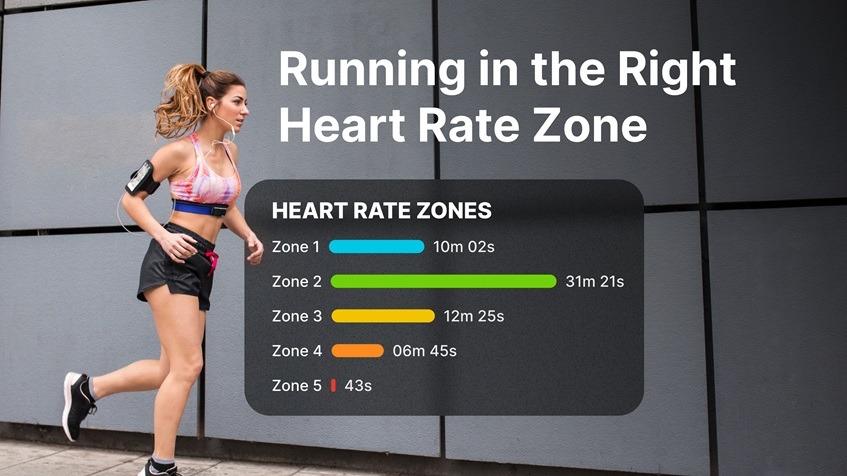
Heart-rate–based training divides effort into zones. VO₂ max work usually happens near the top end of the scale.
Typical structure:
Zone 5 sessions are short but demanding. They push the heart and lungs close to their limit, which signals the body to adapt.
Because this intensity is high, these workouts should be done carefully and not too often.
For marathon runners, most training should still be in Zone 2, with smaller amounts of threshold and VO₂ max work.
It may seem strange that short, fast intervals can help with a 26.2-mile race, but the connection is clear when you look at what changes inside the body.
VO₂ max training helps:
When these adaptations happen, marathon pace requires less effort. Your heart rate stays lower, breathing stays more controlled, and the chance of fading late in the race decreases.
This is why runners who include controlled VO₂ max work often notice that long runs start to feel smoother.
The biggest mistake marathon runners make with VO₂ max training is doing too much of it.
High-intensity workouts create strong adaptation, but they also create more fatigue. If they replace aerobic running instead of supporting it, endurance can suffer.
Common signs of too much intensity include:
Marathon training works best when high-intensity sessions are balanced with enough low-intensity volume.
Speed builds the top end.
Zone 2 builds the base.
Both are needed.
VO₂ max intervals happen in a narrow effort range. If intensity is too low, the workout does not create the intended stimulus. If it is too high, fatigue increases without extra benefit.
Because of this, reliable heart-rate data becomes important.
During fast intervals, heart rate can change quickly. Wrist-based sensors sometimes:
This makes it harder to know whether you are actually training in the intended zone.
Chest-based monitoring captures the electrical signal of the heartbeat directly, which usually results in faster and more stable readings during high-intensity work.
Devices like Frontier X2, a chest-worn ECG-based monitor designed for athletes, allow runners to see how their heart responds during intervals, hills, and tempo sessions. With more consistent data, it becomes easier to keep hard workouts controlled while making sure easy runs stay easy.
For marathon runners following structured plans, this kind of accuracy helps prevent doing too much intensity without realizing it.
The safest way to include VO₂ max work is to keep it limited and consistent.
Typical guidelines for marathon runners:
Examples of VO₂ max workouts:
These workouts should feel challenging but controlled. You should finish tired, not exhausted.
When balanced correctly, VO₂ max work makes you faster without making long runs harder.
VO₂ max is not the same as threshold, but the two are connected.
If VO₂ max improves, threshold usually improves.
If threshold improves, marathon pace feels easier.
This is why marathon plans often include small amounts of fast running even though the race itself is much slower.
The goal is not to run the marathon at VO₂ max.
The goal is to make marathon pace feel far below it.
After adding speed work, some runners start pushing long runs too hard. This can cancel the benefits of VO₂ max training.
Long runs should usually stay in Zone 2 because they:
If long runs become moderate or hard every week, recovery suffers, and the quality of faster workouts drops.
Keeping easy days easy allows hard days to work.
When speed work is balanced correctly, you may notice:
These changes usually appear gradually over weeks, not days.
Consistency matters more than intensity.
Not every runner needs perfect data, but precision becomes more valuable when you:
In these situations, small errors in heart-rate readings can change the effort of a workout without you realizing it.
Reliable measurements help keep training balanced.
VO₂ max training allows marathon runners to become faster, but speed alone is not enough. The primary goal is to improve performance without sacrificing the endurance that makes the marathon possible.
Short, controlled high-intensity sessions raise your ceiling. Zone 2 running builds the base that supports it. Threshold work connects the two.
When these pieces are balanced, marathon pace feels more comfortable, long runs feel steadier, and late-race fatigue is easier to manage.
Improvement does not come from running hard all the time. It comes from applying the right effort at the right intensity, week after week.
And when speed and endurance grow together, the result is not just a faster runner, but a stronger one over every mile of 26.2.








JOIN OUR NEWSLETTER
Get the latest articles, tips, offers & other exclusive content from Fourth Frontier.
