

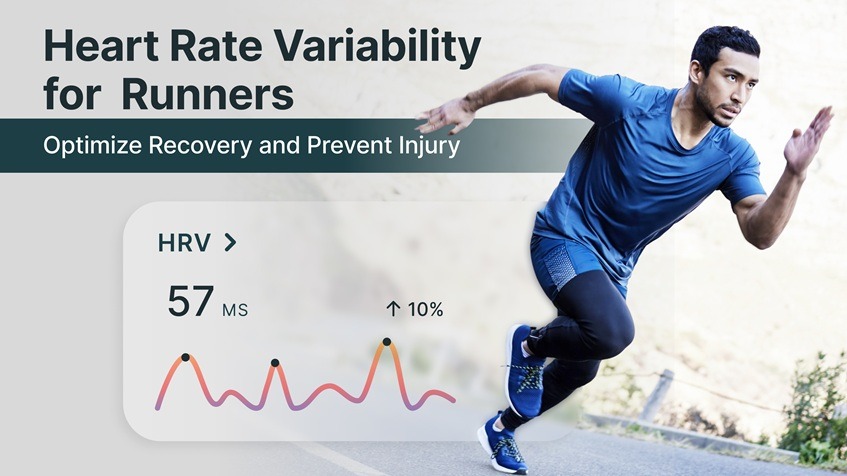
As a runner, you know how crucial it is to balance training intensity with recovery. One powerful way to do this is by tracking your Heart Rate Variability (HRV). HRV, a dynamic measure of the time variation between heartbeats, provides valuable insights into your recovery status, readiness for training, and overall stress levels. Using HRV effectively can help you train smarter, avoid injuries, and optimize your running performance.
What is Heart Rate Variability (HRV)?
Heart Rate Variability is the variation in milliseconds between each heartbeat. It is controlled by your autonomic nervous system, which includes the sympathetic nervous system responsible for the fight-or-flight response, and the parasympathetic nervous system that drives rest and recovery. When your HRV is high, it signals that your body is well recovered and ready to perform. When your HRV is low, it can indicate fatigue, stress, or insufficient recovery, suggesting the need to dial back your training intensity.
Unlike a simple heart rate that measures beats per minute, HRV tells you how adaptable and resilient your heart and nervous system are to physical and mental stress. Monitoring HRV daily can empower you to make informed decisions about training and recovery tailored specifically to you.
Why Should Runners Track HRV?
For runners, HRV offers several benefits:
- Optimize Training: By observing your HRV trends, you can adjust training loads to maximize gains and avoid overtraining. High HRV means you can push harder; low HRV means focus on recovery.
- Prevent Injury and Burnout: Consistent low HRV readings may signal overtraining and heightened injury risk. Paying attention to this helps avoid muscle strains, bone stress, and irritations.
- Manage Stress Levels: HRV is sensitive to both physical stress like hard workouts and mental stress. Monitoring it helps you balance all stressors reducing burnout risk.
- Improve Recovery: Knowing how your nervous system rebounds after runs or workouts allows for smarter rest and sleep strategies, accelerating tissue repair and readiness.
In essence, HRV acts as a physiological dashboard, telling you if you need a rest day or a high-performance day. This is vital for injury prevention and sustained running progress.
Using Technology to Track HRV: Frontier X2
Tracking HRV has become easier and more accurate thanks to wearable technology, like the Frontier X2. The Frontier X2 is a wellness-grade heart monitor device that provides continuous HRV monitoring using advanced ECG technology. Unlike standard heart rate monitors or smartwatches, the Frontier X2 offers precise measurements of your cardiac activity with detailed data on HRV, breathing rate, strain, and heart rate zones.
What makes Frontier X2 unique for runners is that it not only records your HRV continuously during runs and rest but also provides real-time vibration alerts when your heart is out of your optimal zone. This helps prevent overstraining during workouts and promotes effective recovery by giving you immediate feedback.
You can also sync Frontier X2 easily with fitness apps for comprehensive heart health analysis and get AI-generated recommendations for your next workout based on your current physiological status. This turns your training into a highly personalized experience aimed at reducing injury risk and improving fitness faster.
The Role of Continuous Heart Monitoring
Unlike spot checks of heart rate or occasional ECGs, continuous heart monitoring tracks your heart’s behavior throughout the day and night. This comprehensive approach offers deeper insights into your autonomic nervous system balance and overall cardiovascular health.
For runners, continuous monitoring helps identify irregular heart rhythms early, detect signs of excessive strain, and allows timely interventions before adverse outcomes occur. It also highlights how well your body recovers during sleep, a critical factor since recovery takes place mostly when you rest.
Devices like the Frontier X2 enable this level of monitoring minus the need for bulky equipment or hospital visits. This empowers you to manage your health proactively within your training routine, ensuring safety and peak performance simultaneously.
Other Factors That Influence HRV and Recovery
While HRV gives you a clear window into your recovery, other lifestyle factors play key roles in heart health and running performance:
- Sleep Quality and Consistency: Poor or irregular sleep negatively impacts HRV and recovery. Aim for regular, quality sleep to maintain high HRV.
- Nutrition and Hydration: Inadequate fuel or dehydration stresses the body, reflected in lower HRV and higher injury risk.
- Stress Management: Emotional and mental stress elevate cortisol, reducing HRV. Techniques like mindfulness or meditation can improve your nervous system balance.
- Rest and Recovery Timing: Strategically planned rest days and cooldown routines allow your parasympathetic system to repair and strengthen.
In short, your recovery strategy should integrate HRV data with these lifestyle habits for the best results.
How to Use HRV to Optimize Recovery and Prevent Injury
- Track HRV Daily: Use devices like Frontier X2 to get accurate daily readings.
- Analyze Trends, Not Single Readings: Look for meaningful changes over weeks to adjust your training plan.
- Adjust Training Intensity: On low HRV days, reduce mileage or intensity and focus on active recovery or cross-training.
- Prioritize Sleep and Nutrition: Complement HRV insights with better sleep hygiene and adequate nutrition.
- Use Real-Time Alerts: During runs, real-time notification of heart rate zones and strain helps you stay within safe efforts.
- Consult Health Professionals if Needed: Continuous ECG data helps doctors intervene if abnormal rhythms or concerns arise.
FAQs
- What is heart rate variability and why is it important for runners?
Heart rate variability (HRV) measures the variation in time between heartbeats and reflects your body’s recovery and stress levels. For runners, understanding HRV helps optimize training, prevent overtraining injuries, and improve overall performance. - How can I measure my HRV effectively?
You can measure HRV accurately using devices like the Frontier X2, which offers continuous ECG-based monitoring and real-time insights into heart health, recovery, and stress. - Can HRV prevent running injuries?
Yes, monitoring HRV can reveal if you are under excessive stress or fatigue, helping you adjust workouts before injuries like muscle strains or bone stress occur. - What role does continuous heart monitoring play for runners?
Continuous heart monitoring, provided by devices like Frontier X2, detects irregular heart activity, tracks recovery, and provides ongoing feedback to keep training safe and effective. - How should I adjust my training based on HRV readings?
Higher HRV indicates readiness for hard training, while lower HRV suggests you should prioritize rest and light activity. Adjusting your training intensity based on HRV can optimize performance and minimize injury risk.
Final Thoughts
As a runner wanting to perform your best while staying injury-free, integrating Heart Rate Variability monitoring into your routine is a game-changer. Devices like the Frontier X2 deliver continuous, precise heart insights that help you understand your recovery needs and optimize training loads. Combining HRV data with smart lifestyle choices like quality sleep, nutrition, and stress management will keep you running longer, stronger, and healthier.
Stay connected to your body’s signals with daily HRV monitoring – your heart will thank you for it.
Related Posts
You might also like




-

Featured Articles
- 10 Signs You Might Have Heart Disease
 March 24, 2026
 - The Best Way to Track Heart Rate in the Gym: Wrist...
 March 22, 2026
 - Why Body Shock Monitoring Is Crucial for Every Athlete
 January 7, 2026
-
JOIN OUR NEWSLETTER
Get the latest articles, tips, offers & other exclusive content from Fourth Frontier.
