
How Cold Weather Can Affect Heart Rhythm Disorders
By: Fourth Frontier -
February 4, 2026 2:30 am

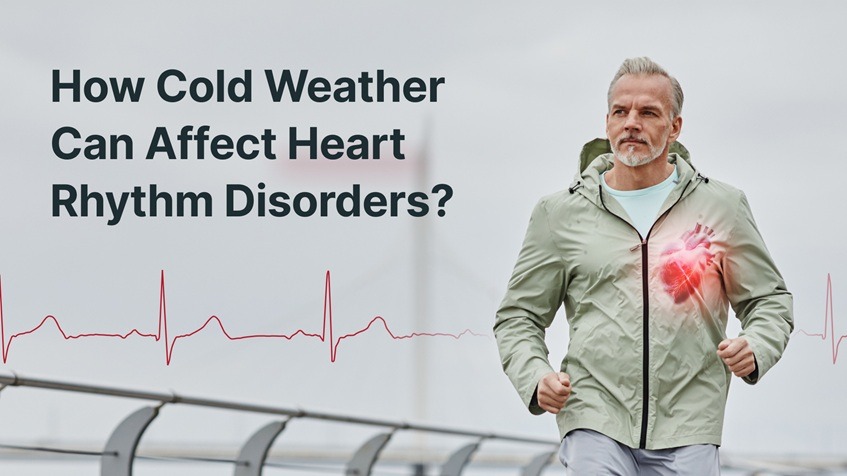
You may love winter for its cool air, early morning runs, and cozy evenings. But when temperatures drop, your heart begins to work in very different ways. For people who live with heart rhythm disorders or even those who simply push their fitness in colder months, winter can quietly increase cardiac stress.
Cold weather does not just change how your body feels. It can directly influence heart rhythm, heart rate, and how your blood vessels respond to physical and emotional stress. If you have ever noticed your heart beating faster on a freezing morning or felt more palpitations during winter workouts, there is a real physiological reason behind it.
Let us explore exactly how cold weather affects heart rhythm disorders and what you can do to protect yourself.
When you step into cold air, your body enters survival mode. Blood vessels tighten to preserve heat and protect vital organs. While this response is natural, it also increases the resistance against which your heart must pump.
This leads to several changes inside your body:
For a healthy heart, this is usually manageable. But if you already have a heart rhythm disorder or a tendency for arrhythmia, this sudden cardiovascular shift can trigger instability.
Cold-weather heart rate spikes are one of the most common winter-related cardiac responses.
Heart rhythm disorders occur when the electrical signals controlling your heartbeat become irregular. Cold weather influences those signals through several pathways.
As blood vessels narrow, your heart must pump harder to move blood through the body. This mechanical strain can disturb the timing of heartbeats and provoke heart arrhythmia episodes.
Cold exposure activates stress hormones like adrenaline and noradrenaline. These hormones:
This is why people often feel palpitations more frequently during winter.
Cold weather leads to dehydration more often than people realize. Reduced fluid intake combined with winter exercise can lower potassium and magnesium levels. These electrolytes play a critical role in stabilizing the heart rhythm.
Many people become sedentary in winter and then suddenly perform intense physical effort, such as shoveling snow or hard workouts. This abrupt load shift can shock the cardiovascular system and trigger rhythm disturbances.
These include:
People with a history of these conditions often report an increase in symptoms during the winter months.
Cold weather often masks early cardiac symptoms because people assume fatigue or breathlessness is due to temperature alone. You must learn to recognize warning signs that are not normal winter discomfort.
Watch for:
These symptoms deserve attention, especially if you already live with heart rhythm issues.
Your body needs more energy to stay warm. That means even light activity in cold weather can raise your heart rate more than usual.
You may notice:
For athletes and fitness enthusiasts, this can quietly increase training stress and elevate cardiac load without obvious warning.
This is why winter training demands smarter monitoring of heart metrics.
You do not need to rely only on how you feel to understand what cold weather is doing to your heart. Long-term ECG monitoring now allows you and your physician to observe heart rhythm behavior during daily life, including during winter exposure.
The medical-grade Frontier X Plus is a prescription-based, FDA-cleared, long-term EKG monitor that helps physicians interpret rhythm trends such as AFib, tachycardia, and bradycardia patterns over extended periods.
The wellness grade Frontier X2 allows you to record ECG and heart rate for fitness and wellness tracking. It also captures heart rate variability, breathing rate, and strain during exercise and recovery.
These tools do not diagnose conditions. They support trend awareness so you and your doctor can better understand how cold exposure and winter training may influence your heart rhythm behavior.
Multiple studies show that heart-related emergencies rise during colder months. This is due to a combination of:
For people with heart arrhythmia, these factors can create a perfect storm for symptom flare-ups.
You do not have to avoid winter. You just need to train smarter and protect your heart more intentionally.
Cold muscles and blood vessels need extra time to adapt. Slow warmups reduce sudden heart rhythm stress.
Dehydration worsens electrolyte imbalance and increases arrhythmia risk.
A cold chest can provoke sudden heart rate fluctuation. Thermal protection limited heart stress responses.
Gradually build intensity instead of explosive starts.
Winter heart responses change. What worked in summer may not apply in January.
You should consult a cardiologist if you experience:
Early evaluation prevents long-term complications.
Winter also impacts mental health. Reduced sunlight increases stress hormones and anxiety. Anxiety alone can trigger palpitations and perceived rhythm instability.
If your winter symptoms worsen during emotional stress, addressing both mental and physical strain becomes important for heart rhythm balance.
Tracking heart rhythm trends teaches you how your body responds to temperature shifts, holiday stress, altered sleep patterns, and winter workouts. Over time, this awareness lets you:
Your heart responds to every season. Winter simply demands more attention.
Yes, cold exposure can trigger heart arrhythmia by tightening blood vessels, increasing heart rate, and elevating stress hormones.
Cold weather activates the sympathetic nervous system,which raises heart rate and blood pressure to maintain body temperature.
Yes, but you must warm up properly, hydrate well, avoid sudden bursts, and track heart rate and recovery closely.
ECG trend tracking helps physicians observe rhythm behavior over time and understand how temperature, stress, and activity patterns influence your heart.
Yes. Cold weather can trigger irregular heartbeats by increasing heart rate, tightening blood vessels, and activating stress hormones that affect heart rhythm.
Cold weather can put extra strain on the heart by raising blood pressure and heart rate. With proper precautions, most people can still stay safe and active in winter.
Cold weather does not harm your heart directly. But it amplifies the stresses your heart already faces. If you live with a heart rhythm disorder or train hard through the winter months, awareness becomes your greatest protection.
When you understand how cold affects your heart rate and rhythm, you stop reacting blindly. You start training with intelligence. You recover with purpose. And you protect the one organ that powers every step you take through winter.






JOIN OUR NEWSLETTER
Get the latest articles, tips, offers & other exclusive content from Fourth Frontier.
