
Get continuous ECG and real-time alerts for 20+ activities with the Frontier X2
buy tapentadol online https://wholebodymri.ca/reliable-opioid-analgesic-tapentadol-online-canada/

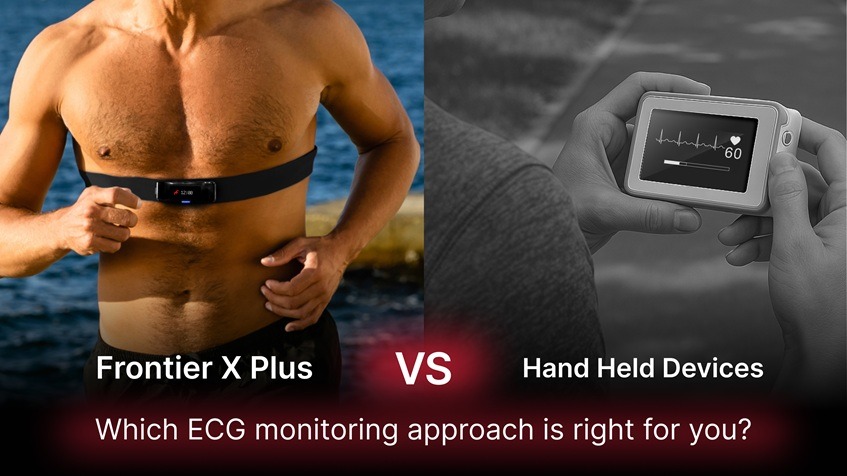
In today’s world of connected wellness technology, monitoring heart patterns is no longer limited to clinical settings. Wearables and portable sensors now allow individuals to track their heart performance in everyday life. But not every device offers the same kind of data or purpose.

If you’re deciding between a chest-strap wellness monitor like the Frontier X2 and a hand-held ECG device, here’s a clear comparison – focused on wellness and performance insights, not clinical diagnosis.

What the Frontier X2 Offers for Wellness Tracking

The Frontier X2 is a wellness-grade smart heart monitor designed for users who want a deeper understanding of their cardiovascular performance during exercise, rest, or recovery. It’s not meant for diagnosis or treatment, but rather for providing actionable wellness data that helps you optimize training and recovery.

Key features include:

  • Long-term ECG recording (24 hours per single charge of 1 hour) during daily activities, rest, and workouts.
  • Live ECG streaming and PDF export/share options for personal review.
  • Measurement of heart rate, breathing rate, HRV (Heart Rate Variability), strain, and body shock (impact forces).
  • Tracks 20+ activities (running, cycling, swimming, etc.) and integrates with major fitness platforms like Apple Health, Google Fit, Strava, and Garmin.
  • Chest-strap form factor ensures stable signal quality with minimal motion artefacts.
  • Up to 14 days of battery life for typical use or 24 hours of continuous ECG recording.
  • Sweatproof and waterproof (IP67) design for reliable performance during workouts.

In essence, the Frontier X2 is for users who want to go beyond simple heart-rate monitoring and explore how their body responds to effort, stress, and recovery.

What Hand-Held ECG Devices Typically Offer

Hand-held ECG devices – those you hold in your hands or place fingers on – are designed mainly for quick, short-term rhythm checks. They’re portable and convenient but usually provide only a snapshot of heart rhythm instead of continuous trend data.

Common features include:

  • Easy, quick recordings lasting from 30 seconds to a few minutes.
  • Useful for checking basic rhythm patterns but not designed for long-term or exercise-based tracking.
  • Limited motion tolerance – recordings typically need you to stay still.
  • Compact design and simple operation for casual, at-home use.

They’re great for spot checks but offer less data depth for training or wellness analysis.

Side-by-Side Comparison (Wellness Perspective)

Feature Frontier X2 (Chest-Strap) Hand-Held ECG Device
Long-term ECG recording during exercise Yes  –  optimized for motion and workouts Typically limited to still/spot checks
Training load & body shock metrics Yes  –  provides advanced training insights Usually not available
Integration with fitness apps Yes  –  Apple Health, Strava, etc. Limited connectivity
ECG quality under motion Stable due to chest-based sensors Often affected by hand movement
Comfort for casual use Requires strap; best for active use Very portable and discreet
Depth of wellness data High  –  includes HRV, strain, readiness metrics Moderate  –  focused on rhythm checks
Best suited for Athletes, fitness enthusiasts, wellness seekers Users wanting quick rhythm checks

Which One Should You Choose?

Choose the Frontier X2 if you want to:

  • Understand how your heart responds to exercise, stress, and recovery.
  • Track training load, HRV, strain, and readiness to optimize performance.
  • Review long-duration ECG trends across rest, activity, and sleep.

Choose a hand-held ECG device if you want to:

  • Perform occasional rhythm checks.
  • Have a small, easy-to-carry tool for basic heart pattern observations.
  • Focus on convenience rather than data depth.

Many users actually combine both  –  using a hand-held device for quick rhythm spot checks and a chest-strap device like the Frontier X2 for training, sleep tracking, or detailed wellness analysis.

Important Wellness Considerations

  • Neither the Frontier X2 nor most hand-held ECG devices are intended for diagnosis or treatment. They provide personal wellness data that can help you understand patterns and share observations with professionals if needed.
  • Lifestyle factors such as sleep, nutrition, hydration, and stress levels significantly influence your heart metrics.
  • Consistency and comfort are key  –  choose the device you’ll wear most regularly.
  • Data interpretation matters: Use accompanying apps or coaching tools to turn numbers into actionable wellness insights.

FAQ

Q1: What’s the difference between a chest-strap monitor and a hand-held ECG device?
A: A chest-strap monitor like the Frontier X2 provides extended ECG and multi-metric wellness data during activity, while a hand-held ECG device is best for short, stationary rhythm checks.

Q2: Can a hand-held ECG replace a smartwatch or chest strap for wellness tracking?
A: Not fully. Hand-held devices are ideal for quick checks, but a chest-strap device like the Frontier X2 captures more continuous data on performance, HRV, and recovery.

Q3: Why choose extended ECG monitoring when I already have a smartwatch?
A: Smartwatches typically measure heart rate via optical sensors (PPG) and give brief ECGs. The Frontier X2 uses electrodes on the chest for a clearer signal during workouts and rest, making it more comprehensive for performance tracking.

Q4: Does the Frontier X2 provide medical-grade ECG?
A: The Frontier X2 is a wellness-grade device intended for fitness and wellness purposes. It is not a diagnostic or medical-grade tool.

Q5: Who should consider using the Frontier X2?
A: Individuals who want to explore how their heart behaves under different stress and activity levels  –  such as athletes, trainers, and health-conscious users seeking deeper insights into their body’s responses.

As an athlete, you probably think your heart is one of your greatest strengths – strong, efficient, and well-trained. But even the fittest hearts can face challenges. One such condition, though rarely discussed in athletic circles, is heart failure.

Now, don’t let the term scare you – heart failure doesn’t mean your heart has stopped working. It simply means your heart isn’t pumping blood as efficiently as it should. Understanding why this can happen, what early signs to look for, and how you can stay ahead of potential risks can make all the difference to your long-term heart health.

Understanding Heart Failure in Athletes

In athletes, the heart adapts to high levels of physical demand – it can enlarge slightly, thicken its walls, and become more efficient at pumping blood. This process is known as cardiac remodeling, and in most cases, it’s healthy and reversible.

However, when training intensity becomes extreme and recovery inadequate, these changes can sometimes go too far. The heart muscle may stiffen or weaken, leading to what’s known as exercise-induced cardiomyopathy – a condition where the heart struggles to fill or contract properly. Over time, this can contribute to heart failure.

Why Can Heart Failure Occur in Athletes?

Even though the risk is low, there are several factors that can make highly trained athletes vulnerable to heart-related issues:

  1. Prolonged Intense Endurance Training
    Long durations of cycling, running, or swimming can cause structural changes in the heart. Without proper rest, these adaptations may progress into fibrosis (scarring).
  2. Repeated High Heart Rates
    Frequent exposure to elevated heart rates over years increases oxidative stress and inflammation, which may gradually affect heart tissue.
  3. Electrolyte Imbalances and Dehydration
    During endurance sports, losing sodium and potassium through sweat can affect cardiac performance and rhythm stability.
  4. Genetic Factors
    Certain inherited conditions such as hypertrophic cardiomyopathy (HCM) or arrhythmogenic right ventricular cardiomyopathy (ARVC) may remain silent until intense training exposes them.
  5. Inadequate Recovery
    Overtraining without recovery puts your body in a prolonged “stress mode,” raising adrenaline levels and preventing your heart from returning to its baseline function.

Warning Signs You Shouldn’t Ignore

It’s easy to brush off fatigue or breathlessness as part of a tough workout. But persistent symptoms might be your body’s way of telling you something more.

Watch for these warning signs:

  • Shortness of breath during workouts that used to feel easy
  • Swelling in your feet or ankles
  • Unexplained fatigue or declining performance
  • Palpitations or irregular heartbeats
  • Chest discomfort after exertion
  • Sudden weight gain or bloating from fluid buildup
  • Coughing or wheezing, especially when lying flat

If you notice any of these symptoms repeatedly, it’s important to check in with a cardiologist – preferably one who understands sports physiology.

Why ECG Monitoring Matters

An electrocardiogram (ECG) records your heart’s electrical activity, revealing early changes that may indicate cardiac stress or remodeling. For athletes, ECGs can show how your heart adapts to training – and whether it’s adapting safely.

Regular ECG reviews, especially after years of endurance training, can help ensure your heart remains in top condition.

Long-Term ECG Insights with Frontier Devices

You don’t have to wait for an annual check-up  to understand your heart better. Modern wearable devices now allow you to access long-term ECG insights outside a hospital or clinic.

For individuals managing or being evaluated for cardiac conditions, the Frontier X Plus offers a medical-grade, FDA-cleared solution for long-term ECG monitoring. It provides high-fidelity ECG data that helps physicians interpret rhythm trends and other cardiac parameters over time. This can be especially useful for people under cardiac rehabilitation, managing rhythm instability, or seeking professional oversight under variable conditions.

For athletes and fitness-focused individuals, the Frontier X2 delivers wellness-grade ECG recording that captures how your heart responds to training, recovery, and stress. It measures parameters such as heart rate, breathing rate, heart rate variability (HRV), and strain, giving you a deeper understanding of how your workouts impact your cardiovascular system.

By combining these insights, you can work closely with your healthcare provider or coach to balance performance and cardiac wellness  –  helping you stay strong and safe through every stage of your training journey.

Preventive Measures for Athletes

While heart failure among athletes is uncommon, taking preventive steps ensures your training strengthens  –  not stresses  –  your heart.

  1. Don’t Skip Recovery Days
    Your heart needs downtime as much as your muscles do. Proper rest allows your heart to repair and adapt safely.
  2. Track Heart Metrics
    Use wearables like the Frontier X2 to stay informed about your heart rate trends, strain, and recovery after workouts. Subtle shifts in your data can help you identify when your body needs rest.
  3. Stay Hydrated and Balanced
    Replenish electrolytes regularly  –  sodium, potassium, and magnesium play a vital role in maintaining cardiac rhythm.
  4. Get Regular Screenings
    If you’re over 35 or have a family history of heart disease, schedule annual ECGs and echocardiograms. Early screening is key.
  5. Listen to Your Body
    Don’t ignore prolonged fatigue, dizziness, or palpitations. These could be early warning signs worth checking out.
  6. Prioritize Longevity Over Intensity
    Sustainable training keeps your heart healthy for the long run. Push your limits  –  but not your heart’s safety margins.

When to Seek Medical Advice

If you notice persistent shortness of breath, irregular heartbeats, or slower recovery after exercise, don’t delay getting evaluated. Your doctor may recommend tests like ECG, echocardiography, or a stress test to understand your heart’s performance.

Remember  –  catching small issues early often prevents larger complications later. Paying attention to your heart is not a sign of weakness; it’s how you make sure it stays strong for years to come.

FAQs

Q1: Can athletes really develop heart failure?
Yes, though it’s rare. Intense endurance training or genetic predispositions can cause heart muscle changes that reduce efficiency over time.

Q2: What are early signs to look for?
Fatigue, breathlessness, ankle swelling, irregular heartbeats, and chest discomfort that persist beyond normal post-exercise recovery.

Q3: How can long-term ECG monitoring help?
Devices like the Frontier X Plus and Frontier X2 provide valuable long-term ECG insights that help you and your physician understand your heart’s response to training and recovery patterns.

Q4: Can overtraining harm your heart?
Yes. Excessive training without rest may cause inflammation or scarring of the heart muscle, impacting performance and recovery.

Q5: What’s the best way to protect your heart?
Balance intensity with rest, stay hydrated, track your cardiac metrics, and get regular cardiac evaluations  –  especially if symptoms appear.


In today’s wellness-tech world, you have more options than ever to track your body, sleep, and performance. Two standout categories are chest-strap-based long-term ECG devices and smart rings. This comparison explores how the Frontier X2 stacks up against leading smart rings when it comes to wellness insights related to heart, recovery, and training performance.

Why This Matters

Your heart does more than just beat  –  it reflects how your body responds to stress, sleep, and activity.

For wellness-focused users, metrics like heart rate variability (HRV), strain, readiness, sleep stages, and body shock can help fine-tune training and recovery for better long-term well-being.

What the Frontier X2 Offers

  • Records long-term ECG and heart rate data over extended durations for fitness and wellness tracking.
  • Syncs with Apple Health, Garmin, and more via Bluetooth 5.0.
  • Lightweight, sweat- and water-resistant (IP67) build.
  • Battery life: up to 14 days typical use, up to 24 hours when actively recording.
  • Tracks ECG + HR + HRV + strain + breathing rate + VO₂ max + step cadence + body shock + sleep trends + training load + readiness.
  • Chest-based ECG recording minimizes motion artifacts for high-motion accuracy.
  • Designed for exercise, recovery, sleep, and sharing ECG PDF summaries for review.
  • The Frontier X2 is a wellness-grade device that provides in-depth insights into heart performance and training stress, beyond what typical wrist or ring trackers offer.

What Smart Rings Typically Offer

Smart rings vary by brand but generally provide

  • Continuous heart-rate tracking, HRV, sleep staging, SpO₂, and temperature monitoring.
  • A discreet, ultra-comfortable form factor ideal for 24-hour or sleep wear.
  • Limited training-load or motion-stress metrics  –  often less accurate during intense exercise.

Smart rings shine in comfort and passive monitoring, but they typically lack chest-based ECG signals and body-shock or load-based analytics.

Frontier X2 vs Smart Ring (Wellness Focus)

Metric Frontier X2 Smart Ring
ECG recording (chest-based) Long-term ECG recording from chest placement  Usually PPG (finger-based), not ECG
Accuracy  Good accuracy due to its positioning close to your heart  Diminished accuracy 
Training load & Body Shock Tracks impact forces & training load metrics Limited or absent
Sleep & Recovery Sleep stages, HRV, readiness trends Excellent for sleep and comfort
Comfort & Wear Less discreet but high signal fidelity Very comfortable for 24/7 wear
Motion Handling Chest placement reduces motion noise More motion artifacts during exercise
Integration Works with multiple fitness apps Good ecosystem but less training depth
Battery & Durability Up to 14 days typical use (IP67) ~ 5–7 days avg., varies by brand

Which Should You Choose?

Choose Frontier X2 if you want to:

  • Track heart trends during workouts, sleep, and recovery  
  • Understand training load, strain, and impact forces  
  • Access detailed ECG-based heart data for deeper wellness insights  

Choose a Smart Ring if you prefer:

  • Maximum comfort and discreet design  
  • Passive sleep and HR/HRV monitoring  
  • A simple, minimal way to keep tabs on wellness habits 

Many wellness enthusiasts combine both  –  a smart ring for comfort and sleep, and the Frontier X2 for high-intensity training and heart-focused sessions.

Wellness Use Cases

  1. Endurance or high-impact sports: Frontier X2 offers long-term (up to 24 hours per an hour of charge) motion-resistant heart-data and impact tracking. 
  2. Sleep & Recovery optimization: Smart ring excels in comfort; Frontier X2 complements with heart-rate and breathing trends. 
  3. Heart tracking for wellness: Frontier X2 provides ECG waveform data; smart rings rely mainly on HR/HRV estimates.

The Frontier X2 provides wellness-grade ECG and heart-rate monitoring for individuals focused on fitness, recovery, and overall heart wellness.

For those with cardiac conditions, the Frontier X Plus offers a medical-grade, prescription-based solution. Cleared by the U.S. FDA under 510(k), it is indicated for long-term ECG monitoring to assist physicians in the detection of Atrial Fibrillation, Bradycardia, and Tachycardia.

The Frontier X Plus is a chest-worn, long-term ECG monitor that records and transmits high-fidelity ECG signals over extended periods. The data can be securely reviewed by healthcare professionals, supporting clinical assessment of rhythm stability and therapy effectiveness during rehabilitation or ongoing cardiac management.

FAQs 

Q1. What’s the difference between a smart ring and a chest-strap heart monitor?
A smart ring uses finger sensors (PPG) for HR, HRV, and sleep; a chest-strap like Frontier X2 records direct ECG signals, providing higher-fidelity heart data for wellness analysis.

Q2. Can a smart ring record ECG?
Most cannot. They rely on optical sensors, while the Frontier X2 records ECG signals directly from the chest for more detailed wellness tracking.

Q3. Which is better for training load and recovery?
Frontier X2 measures body shock, strain, and recovery metrics; smart rings focus more on passive data and sleep.

Q4. Are smart rings accurate for heart rate and sleep?
Yes  –  they perform well for HR and sleep tracking, though motion accuracy may vary.

Q5. Can I use both devices?
Absolutely  –  many users wear a smart ring all day and the Frontier X2 during workouts for deeper heart insight.

When we hear the term heart failure, it often sounds final  –  but in reality, Congestive Heart Failure (CHF) doesn’t mean your heart has stopped working. Rather, it indicates that the heart isn’t pumping blood as efficiently as it should, leading to fluid buildup in the lungs, legs, or other parts of the body.

This condition affects more than 6 million people in the US and remains one of the leading causes of hospitalization among adults over 65. Understanding what congestive heart failure is, its symptoms, and how it’s managed can help patients take control of their heart health early.

Definition of Congestive Cardiac Failure

The definition of congestive cardiac failure (CCF), or CHF, is a clinical condition where the heart’s pumping ability is weakened, resulting in inadequate blood flow to meet the body’s needs. Because of this inefficiency, blood backs up (or “congests”) in the veins, and fluid may leak into the lungs, liver, or extremities.

CHF can affect either side or both sides of the heart, leading to right-sided or left-sided heart failure symptoms.

Types of Congestive Heart Failure

1. Left-Sided Heart Failure

This is the most common form of CHF. It occurs when the left ventricle (the main pumping chamber) fails to pump blood effectively to the body.
As a result, pressure builds up in the lungs, leading to fluid accumulation.

Left-sided heart failure symptoms include:

  • Shortness of breath (especially during activity or at night) 
  • Persistent coughing or wheezing 
  • Fatigue and weakness 
  • Swelling in the ankles and feet 
  • Rapid or irregular heartbeat 

Left-sided CHF can further be classified as:

  • Systolic Heart Failure: The heart muscle can’t contract properly. 
  • Diastolic Heart Failure: The heart muscle becomes stiff and can’t fill properly between beats. 

2. Right-Sided Heart Failure

This occurs when the right ventricle can’t pump blood efficiently to the lungs. The result is fluid buildup in the body’s tissues.

Right-sided congestive heart failure symptoms include:

  • Swelling in the legs, ankles, and abdomen 
  • Weight gain from fluid retention 
  • Liver enlargement and discomfort 
  • Shortness of breath 

Right-sided CHF often develops as a consequence of left-sided heart failure, but it can also be caused by lung diseases like pulmonary hypertension.

Predisposing Factors of Congestive Heart Failure

Several underlying conditions can weaken the heart muscle over time, increasing the risk of developing CHF. Major predisposing factors of congestive heart failure include:

  • Coronary artery disease (CAD): Narrowed arteries reduce blood supply to the heart. 
  • Hypertension (High blood pressure): Forces the heart to work harder, thickening and weakening the muscle. 
  • Heart attack (Myocardial infarction): Damages part of the heart muscle, reducing pumping capacity. 
  • Cardiomyopathy: Diseases of the heart muscle (genetic, viral, or alcohol-related). 
  • Diabetes and obesity: Both contribute to high blood pressure and vascular damage. 
  • Valvular heart disease: Faulty valves disrupt normal blood flow. 

Symptoms and Early Signs of CHF

Recognizing the signs of congestive heart failure early can make a tremendous difference in outcomes. Common symptoms include:

  • Persistent fatigue or weakness 
  • Shortness of breath, even at rest 
  • Swelling (edema) in feet, ankles, or abdomen 
  • Rapid weight gain due to fluid retention 
  • Irregular or rapid heartbeat 
  • Decreased exercise tolerance 

These symptoms often worsen over time if untreated, making early diagnosis and management essential.

Complications of Congestive Heart Failure

If CHF progresses without intervention, it can lead to several serious complications, including:

  • Kidney damage due to reduced blood flow 
  • Liver congestion and scarring 
  • Arrhythmias (abnormal heart rhythms) like atrial fibrillation 
  • Blood clots due to sluggish blood flow 
  • Cardiac arrest or sudden death in severe cases 

Diagnosis of Congestive Heart Failure

Diagnosing CHF typically involves a combination of clinical evaluation and diagnostic tests:

  • Echocardiogram: The gold-standard imaging test to assess heart structure and ejection fraction. 
  • Electrocardiogram (ECG): Detects rhythm abnormalities or prior heart attacks. 
  • Chest X-ray: Reveals fluid buildup or enlarged heart size. 
  • BNP/NT-proBNP blood tests: Measures heart stress markers. 
  • Cardiac MRI or stress tests: Offer detailed functional assessment. 

Congestive Heart Failure Treatment and Management

Management of CHF focuses on improving symptoms, slowing disease progression, and preventing hospitalizations.
Here’s what an effective congestive heart failure care plan usually includes:

1. Medications

  • ACE inhibitors / ARBs: Lower blood pressure and reduce heart strain. 
  • Beta-blockers: Slow heart rate and improve heart function. 
  • Diuretics: Remove excess fluid to relieve swelling and breathlessness. 
  • Aldosterone antagonists: Prevent fluid retention. 
  • ARNIs (Angiotensin Receptor–Neprilysin Inhibitors): A newer drug class that improves outcomes in CHF.

Disclaimer: This information is for general awareness only and should not be used as a substitute for professional medical advice. Treatment decisions, including the use of any medication, should always be made in consultation with a qualified healthcare professional based on your individual health needs.

2. Lifestyle Modifications

  • Reduce sodium intake to prevent fluid buildup. 
  • Monitor daily weight to detect early fluid retention. 
  • Exercise moderately under medical supervision. 
  • Quit smoking and limit alcohol. 
  • Manage stress to lower cardiac workload. 

3. Device-Based Therapies

4. Surgical Options

In severe cases, cardiologists may consider:

The Role of Long-Term ECG Monitoring

Long-term ECG monitoring is especially valuable for individuals living with congestive heart failure (CHF), as it provides a continuous view of how the heart responds to daily physical and emotional demands. CHF often involves fluctuations in heart rate, rhythm patterns, and autonomic balance, making consistent rhythm tracking an important part of overall management.

Devices like the medical-grade, FDA-cleared Frontier X Plus allows users to record ECG data during routine activities, rest, or exercise. Because this chest-worn monitor captures high-fidelity ECG waveforms, it offers clearer visibility into rhythm characteristics commonly monitored in CHF – such as heart rate changes, episodes of rapid or irregular rhythms, and changes in exertional heart-rate responses.

For individuals managing CHF, such long-term ECG data can:

  • Highlight trends such as persistent tachycardia, irregular rhythm patterns, or exaggerated rate responses to mild activity 
  • Help correlate symptoms like breathlessness, fatigue, dizziness, or reduced exercise tolerance with ECG and activity patterns 
  • Provide structured reports that can be shared with physicians, supporting their assessment of cardiac stability over time 

By offering ongoing visibility into rhythm trends associated with CHF management, a tool like this can support patients and clinicians in making better-informed decisions about therapy, activity levels, and overall heart-health strategies.

Preventing Congestive Heart Failure

While not all causes of CHF can be avoided, the following preventive measures can significantly lower risk:

  • Control blood pressure and cholesterol levels 
  • Manage diabetes effectively 
  • Maintain a healthy weight 
  • Exercise regularly (as guided by a physician) 
  • Avoid excessive alcohol and smoking 
  • Monitor your heart rhythm periodically if you have risk factors 

Early detection and lifestyle vigilance are the cornerstones of CHF prevention.

FAQs

1. What is the meaning of congestive cardiac failure?

Congestive cardiac failure (CCF) means the heart can’t pump blood efficiently, leading to fluid accumulation in the lungs, abdomen, or legs.

2. What are the symptoms of left-sided heart failure?

Common left-sided CHF symptoms include breathlessness, persistent cough, fatigue, and rapid or irregular heartbeat.

3. How is right-sided heart failure different?

Right-sided heart failure causes swelling in the legs, ankles, or abdomen due to blood backing up in the body’s veins, unlike left-sided CHF, which affects the lungs.

4. What are the treatment options for congestive heart failure?

Treatment may involve a combination of medications such as ACE inhibitors or beta blockers, along with lifestyle modifications, and in some cases procedural or device-based interventions as recommended by a healthcare professional after proper evaluation.

5. Can congestive heart failure be cured?

While CHF can’t always be fully cured, it can be effectively managed with medications, lifestyle modification, and continuous monitoring to improve quality of life.

When it comes to personal wellness, most people think of gym memberships, fitness trackers, and supplements as investments in health. But what if you could invest in something that gives you deep insight into your heart’s performance – and even pay for it with your Health Savings Account (HSA) or Flexible Spending Account (FSA)?

That’s where the Frontier X2 stands out  –  not just as a next-generation wellness tool, but as a data-backed investment in your long-term well-being.

Let’s unpack how using your HSA or FSA to purchase the Frontier X2 can deliver measurable returns  –  in safety, insight, and peace of mind.

1. Understanding the True ROI of Wellness Technology

ROI (Return on Investment) is usually discussed in financial terms. But when it comes to health and fitness, ROI is about time, energy, and longevity.

A small step in wellness, a giant leap in longevity.

A smart investment in wellness is one that helps you:

  • Prevent potential health issues before they escalate
  • Improve athletic performance through better recovery
  • Understand how stress, sleep, and exertion impact your heart
  • Reduce the need for unnecessary tests or visits through proactive monitoring

Many patch-based or disposable heart-monitoring solutions require frequent replacements or monthly subscriptions – costs that quietly add up over time. In contrast, the Frontier X2 is a one-time purchase that delivers lasting value through reusable, durable design and ongoing access to in-depth wellness metrics.

That’s why the Frontier X2 offers a superior ROI: you invest once, but continue gaining insights every day. It transforms heart wellness tracking from a one-dimensional snapshot into a continuous insight loop – giving you the data to make informed decisions about your body.

2. What Makes the Frontier X2 a Smart Investment?

Unlike standard wrist-worn trackers that estimate heart rate using optical sensors, the Frontier X2 goes deeper. It records actual ECG signals, giving you visibility into your heart’s rhythm and performance  –  directly from the source.

The device delivers a suite of wellness metrics that help users understand their cardiac response during exercise, rest, or stress.

Key Metrics You Can Track With the Frontier X2:

  • ECG recording  –  Provides live recording of electrical activity of your heart.
  • Heart rate and heart rate variability (HRV)  –  Reflect your cardiovascular health, stress levels, and recovery status.
  • Breathing rate  –  Tracks how efficiently you breathe during workouts or sleep.
  • Body shock  –  Measures high-impact stress on your body during physical activity.
  • Strain  –  Quantifies how hard your body is working, helping optimize training load.
  • Continuous heart rhythm recording  –  Captures uninterrupted heart data for later review.
  • Posture and exertion tracking  –  Provides feedback to refine technique and prevent injuries.

These are not just numbers  –  they are insights that translate into performance efficiency, reduced recovery time, and safer training decisions.

3. Using HSA/FSA Funds for the Frontier X2

Many users don’t realize that HSA and FSA funds can often be used toward eligible wellness technology. If your Frontier X2 purchase is prescribed or recommended by a healthcare provider for tracking heart wellness, you may be able to use these pre-tax accounts to pay for it.

That’s an instant financial ROI  –  saving money on a product that helps you take control of your health.

In essence, you’re using tax-free funds to invest in stress-free heart monitoring.

Before purchasing, always check with your plan administrator or HSA/FSA provider for eligibility and documentation requirements.

4. Safety and Reliability in Data You Can Trust

When choosing a heart-monitoring device, accuracy matters. Unlike optical heart-rate sensors that can be affected by sweat, skin tone, or motion, the Frontier X2’s chest-worn ECG sensor captures direct cardiac signals.

This means you get clinically comparable data quality from a wellness-grade device built for real-world use  –  whether you’re sprinting up a hill or meditating after a workout.

The design emphasizes comfort, waterproofing, and durability, ensuring consistent data across intense workouts, endurance runs, or daily activity tracking.

This reliability translates to ROI in the form of trustworthy data  –  empowering you to train smarter, recover better, and understand your heart in ways traditional wearables can’t provide.

5. The Frontier X2 Advantage: Performance Meets Peace of Mind

The ROI of the Frontier X2 isn’t just in the data  –  it’s in the confidence you gain. You’re no longer guessing whether your training intensity is right or wondering if your heart rate is responding normally. You’re tracking it, continuously, and learning what your heart is telling you.

Here’s what you get in return:

  • Better performance through insight-driven training
  • Reduced overtraining risk by watching real-time strain
  • Improved recovery with HRV tracking and breathing metrics
  • Enhanced focus with vibration alerts for overexertion
  • Holistic heart awareness through ECG-based data trends

For athletes, fitness enthusiasts, or anyone on a wellness journey, this real-time feedback is invaluable  –  both for safety and performance optimization.

6. How Frontier X2 Compares to Other Fitness Devices

Most wrist-based trackers provide heart rate and step count. The Frontier X2 provides heart intelligence.

Feature Typical Fitness Tracker Frontier X2
Heart rate tracking Optical sensors ECG-based signal
Accuracy during motion Varies Consistent, motion-stable
HRV measurement Estimated Direct ECG-based
Breathing rate Limited Accurate
Strain and body shock Absent Included
Data interpretation Basic Advanced cardiac analytics
Placement Wrist Chest (direct cardiac reading)

In short, the Frontier X2 doesn’t just monitor activity  –  it decodes your body’s cardiovascular response to it. That’s the kind of actionable data that builds true ROI over time.

7. U.S. Studies Show the Cost-Benefit of Heart-Focused Wellness Tech

Wellness technologies that deliver actionable, heart-related data aren’t just “nice to have” – they’re proving cost-effective.

  • A U.S. health-economic analysis found that early AFib screening wearables demonstrated cost-effectiveness at roughly $57,000 per quality-adjusted life year (QALY) – well within the accepted U.S. threshold for high-value care (typically <$100 K/QALY).
  • Broader digital-health studies show that remote or continuous wellness tracking can reduce hospitalizations and lower cardiac-related costs by thousands of dollars per patient per year.

Those findings underline a simple truth: data-driven wellness tools pay off.

By owning a long-term, reusable device like the Frontier X2, you’re tapping into the same cost-saving ecosystem – but with the added benefit of owning the technology outright. It’s not just tracking – it’s prevention, personalization, and proactive self-care rolled into one.

8. Maximizing ROI: From Metrics to Mindset

When you start using the Frontier X2 consistently, you’ll begin to notice patterns:

  • How your HRV drops after poor sleep
  • How your breathing rate rises under stress
  • How your heart rate changes with training load

Over time, this awareness builds a feedback habit  –  turning data into discipline. You begin to understand not just what your body can do, but what it needs to recover and perform optimally.

That’s the ultimate ROI  –  a healthier, more in-tune you.

9. Real-World ROI: Peace of Mind for Every User

Whether you’re an endurance athlete, a casual runner, or someone simply committed to improving wellness, the value of the Frontier X2 extends beyond numbers.

It’s about reassurance. It’s about knowing your heart better every single day.

By combining continuous heart rhythm tracking, posture awareness, breathing insights, and HRV analytics, the device gives you a 360° view of your wellness. That’s peace of mind  –  powered by data.

FAQs

  1. Can I use my HSA or FSA card to buy Frontier X2?
    Yes, if your healthcare provider recommends it for heart wellness tracking. Check with your HSA/FSA plan administrator for specific eligibility.
  2. How is Frontier X2 different from a smartwatch?
    Smartwatches use optical sensors for heart rate, while Frontier X2 records actual ECG signals, offering deeper insight into heart rhythm and recovery.
  3. What kind of data does Frontier X2 track?
    It records ECG, HRV, breathing rate, body shock, strain, and posture  –  all contributing to a detailed understanding of heart wellness.
  4. Can Frontier X2 be worn during workouts or swimming?
    Yes. It’s designed to be waterproof and comfortable, making it ideal for continuous use across workouts, rest, and recovery.
  5. How does investing in Frontier X2 improve my long-term health ROI?
    By understanding your heart’s response to activity, you can train safely, avoid overexertion, and make proactive lifestyle adjustments  –  preventing costly or stressful health issues later.

Conclusion

When you invest in the Frontier X2 using your HSA or FSA, you’re not just buying a wellness device  –  you’re making a smart financial and health decision.

You gain accurate, real-time insight into your heart, improve your training, and build a foundation of awareness that leads to better performance, recovery, and peace of mind.

In the long run, that’s an ROI no gym membership or wearable wristband can match.


Atrial Fibrillation (AFib) is one of the most common heart rhythm disorders in the world – yet it’s also one of the most underdiagnosed. While AFib itself might not be immediately life-threatening, its greatest danger lies in what it can lead to: stroke.
In fact, AFib increases the risk of stroke by nearly fivefold. Understanding this connection and taking the right preventive steps can make a life-changing difference.

Let’s explore why AFib increases stroke risk, how cardiologists prevent it, and what you can do to protect your heart and brain health.

Understanding the AFib–Stroke Connection

To understand why AFib raises stroke risk, you need to first understand what happens during this irregular heart rhythm.

In a healthy heart, the atria (upper chambers) contract in a steady, coordinated rhythm, efficiently pushing blood into the ventricles. But during Atrial Fibrillation, electrical signals become chaotic. The atria quiver instead of contracting properly, causing blood to pool and stagnate, especially in a small pouch called the left atrial appendage.

This stagnant blood can form clots, which may travel through the bloodstream and block an artery in the brain  –  leading to an ischemic stroke.

Why Stroke Risk Is Higher in AFib Patients

  1. Irregular Blood Flow:
    AFib prevents smooth blood movement, creating turbulence that promotes clot formation.

  2. Aging and Coexisting Conditions:
    People over 65, or those with hypertension, diabetes, or heart failure, are especially vulnerable.

  3. Silent AFib Episodes:
    Some people have asymptomatic AFib, meaning they don’t feel palpitations or dizziness – but stroke risk remains.

  4. Inadequate Monitoring:
    Without continuous ECG monitoring, intermittent AFib can go unnoticed for years, delaying treatment.

Recognizing AFib-Related Stroke Symptoms

A stroke caused by AFib looks like any other stroke, but it’s often more severe. Key warning signs include:

  • Sudden numbness or weakness (especially on one side of the body)

  • Trouble speaking or understanding speech

  • Blurred or lost vision

  • Dizziness or loss of balance

  • Sudden, severe headache

Time is brain  –  if you suspect a stroke, call emergency services immediately.

How Cardiologists Prevent Stroke in AFib Patients

Stroke prevention in AFib isn’t just about treating symptoms – it’s about reducing clot formation and maintaining rhythm stability.

Here’s what your cardiologist may recommend:

1. Anticoagulant (Blood Thinning) Therapy

Medications like warfarin or newer DOACs (Direct Oral Anticoagulants) such as apixaban or rivaroxaban help prevent clot formation. Your doctor will assess your stroke risk using a scoring system like CHA₂DS₂-VASc, which considers factors like age, diabetes, heart failure, and hypertension.

Disclaimer: These medications should only be taken under the guidance and supervision of a qualified physician. Your cardiologist will determine whether anticoagulation is appropriate based on your medical history, risk profile, and current health status.

2. Rate and Rhythm Control

If your heart is racing or irregular, your cardiologist may use medications like:

In some cases, procedures like cardioversion or catheter ablation may be considered to reset or isolate abnormal electrical pathways.

3. Left Atrial Appendage Closure

For patients who can’t tolerate long-term anticoagulants, a left atrial appendage (LAA) closure device, such as the Watchman, can physically block clot escape routes.

4. Lifestyle Changes to Support Stroke Prevention

  • Manage blood pressure: High BP is a key contributor to both AFib and stroke.

  • Maintain a healthy weight: Obesity increases atrial strain.

  • Limit alcohol and caffeine: Both can trigger arrhythmias.

  • Exercise moderately: Avoid overexertion, especially if your AFib is unstable.

  • Quit smoking: Tobacco accelerates vascular damage.

The Role of Long-Term ECG Monitoring in Stroke Prevention

Short-duration ECGs or smartwatch-based recordings may miss brief or nighttime AFib episodes that still contribute to stroke risk. Long-term ECG monitoring offers a more complete rhythm picture by tracking heart activity over extended periods.

Devices such as the medical-grade Frontier X Plus and the wellness-grade Frontier X2 allow users to record ECG data during daily routines, rest, and exercise. Unlike optical sensors found in many wrist-worn devices, these chest-worn tools capture electrical signals directly from the chest, providing clearer ECG waveforms with visible P-waves. This can support users and their healthcare providers in reviewing rhythm patterns and understanding overall heart-performance trends more effectively.

For individuals seeking to lower AFib-related stroke risk, long-term ECG monitoring can help:

  • Reveal rhythm irregularities that short-term tests might overlook

  • Track heart rhythm stability following therapy or lifestyle changes

  • Provide ECG trend data that assists healthcare professionals in clinical assessment and decision-making

By offering long-term rhythm insights, these tools support a shift toward more informed and proactive heart health management.

When to Talk to Your Cardiologist

You should discuss AFib and stroke prevention if you experience:

  • Frequent palpitations or skipped beats

  • Unexplained fatigue or shortness of breath

  • Dizziness or lightheadedness

  • A family history of stroke or heart rhythm disorders

Even if your symptoms seem mild, early detection through ECG-based evaluation can significantly lower your long-term stroke risk.

Living Confidently with AFib

AFib doesn’t have to dictate your future. With proper management – medications, lifestyle optimization, and consistent heart rhythm monitoring – you can dramatically reduce the risk of stroke and maintain an active, fulfilling life.

Many cardiologists now recommend combining clinical follow-ups with wearable ECG monitoring, ensuring that rhythm irregularities are caught before they cause harm.
When patients understand their heart rhythm patterns, they become empowered to make informed decisions – and that’s the essence of modern cardiac care.

FAQs

1. How does AFib cause a stroke?

AFib causes the upper chambers of the heart to beat irregularly, allowing blood to pool and form clots. These clots can travel to the brain and block arteries, resulting in an ischemic stroke.

2. Can AFib-related strokes be prevented?

Yes. With the right combination of anticoagulants, lifestyle changes, and rhythm management, most AFib-related strokes can be prevented.

  1. What are the best treatments for stroke prevention in AFib?
    Your cardiologist may prescribe blood thinners, rate or rhythm management medications, or recommend catheter ablation. Long-term ECG monitoring can provide valuable heart rhythm data over time, helping physicians assess treatment effectiveness and make informed adjustments.
  2. Can wearable ECG devices help detect AFib early?
    Devices like the medical-grade Frontier X Plus and the wellness-grade Frontier X2 allow users to record ECG data over extended periods. This long-term rhythm information can support physicians in identifying irregular trends that may warrant further clinical evaluation.

5. Is AFib always permanent?

No. AFib can be paroxysmal (intermittent), persistent, or permanent. Early intervention improves chances of maintaining normal sinus rhythm.

Atrial Fibrillation (AFib) is one of the most common heart rhythm disorders worldwide, affecting millions of people – but when it comes to women, AFib behaves differently. While men are statistically more likely to develop AFib, women tend to experience more severe symptoms, a higher risk of complications, and are often underdiagnosed.

Understanding the unique AFib triggers in women – from hormonal fluctuations and stress to underlying health conditions – is essential for early detection and prevention. With the help of long-term ECG monitoring through advanced wearables like Frontier X Plus, women can now track subtle changes in their heart rhythm, empowering them to take charge of their cardiac health.

What Is AFib and Why It Matters

AFib is a type of atrial arrhythmia where the upper chambers of the heart (atria) beat irregularly and out of sync with the lower chambers (ventricles). This irregular electrical activity can cause the heart to pump less efficiently, leading to poor circulation, blood clots, stroke, and heart failure if left untreated.

Women often experience different or atypical AFib symptoms, including:

  • Unexplained fatigue or weakness 
  • Shortness of breath during mild exertion 
  • Dizziness or lightheadedness 
  • Heart palpitations or fluttering sensations 
  • Anxiety or sleep disturbances 

While these symptoms may seem mild or be mistaken for stress or menopause-related changes, they can signal an underlying heart rhythm disorder.

Unique AFib Triggers in Women

1. Hormonal Fluctuations

Hormonal changes across a woman’s life – especially during menstruation, pregnancy, perimenopause, and menopause – can influence heart rhythm stability. Estrogen and progesterone affect autonomic balance and electrical conduction, meaning fluctuations can make women more prone to arrhythmias like AFib.

Low estrogen levels post-menopause may also contribute to increased inflammation, higher blood pressure, and reduced vascular elasticity, all of which could elevate AFib risk.

2. Stress and Emotional Health

Psychological stress and anxiety are well-known triggers of irregular heartbeats. In women, chronic stress often leads to elevated cortisol and adrenaline levels, which increase sympathetic nervous system activity – a key contributor to atrial arrhythmias.

Women are also more likely than men to experience stress-induced cardiomyopathy (Takotsubo syndrome), which can mimic or exacerbate AFib episodes.

3. Thyroid Disorders

Women have significantly higher incidence of hypothyroidism and hyperthyroidism than males and both conditions can disrupt normal cardiac rhythm.

Monitoring thyroid levels is crucial for women with recurrent palpitations or AFib-like symptoms.

4. Sleep Disturbances and Sleep Apnea

Poor sleep quality, insomnia, and sleep apnea are all linked to AFib. Hormonal transitions such as menopause often increase the prevalence of sleep-disordered breathing in women.
When oxygen levels drop during sleep apnea, the heart compensates by increasing rate and pressure, which can strain the atria and trigger arrhythmia.

5. Caffeine, Alcohol, and Dehydration

While occasional caffeine intake is safe, excessive consumption of coffee, energy drinks, or alcohol can trigger AFib episodes, particularly in women sensitive to stimulants. Alcohol disrupts electrolyte balance and increases atrial excitability, while dehydration reduces blood volume, stressing the cardiovascular system.

6. Medications and Supplements

Certain over-the-counter cold medicines, weight-loss pills, or herbal supplements can act as sympathomimetic agents, raising heart rate and inducing arrhythmia. Women taking hormone replacement therapy (HRT) or oral contraceptives should consult their doctors if they experience palpitations or rapid heartbeats.

7. Underlying Health Conditions

Conditions like hypertension, diabetes, obesity, and anemia are more likely to cause AFib in women. Chronic inflammation, fluid retention, and changes in cardiac structure from these diseases can disrupt the heart’s electrical stability.

Why Women Are Often Underdiagnosed

Women’s AFib symptoms are often atypical or intermittent, leading to misdiagnosis or delayed care. Moreover, AFib in women tends to occur later in life and often coincides with other age-related cardiac issues, compounding risk.

Because AFib episodes can come and go, traditional short-term ECGs or occasional check-ups may miss them. This is where long-term ECG monitoring becomes invaluable.

Role of Long-Term ECG Monitoring with Frontier X Plus

Modern wearable ECG tools such as the Frontier X Plus – a medical-grade, FDA-cleared, prescription-based long-term ECG monitor – enable women to record single-lead ECG and heart-rate data over extended periods, giving them and their physicians a clearer picture of how the heart behaves in daily life.

These tools can help you:

  • Record long-duration ECG data, allowing you and your physician to observe overall rhythm trends across everyday activities and sleep. 
  • Track heart rate and changes in rhythm patterns in response to stress, exertion, and recovery. 
  • Review additional metrics such as breathing and body-impact, which can help you understand how physical effort relates to your cardiovascular responses. 
  • Share your recorded data with your physician, enabling them to review and interpret the information as part of a broader clinical evaluation when needed.

For women who experience occasional palpitations, light-headedness, or fatigue, long-term ECG recording offers a more complete picture of how the heart responds to everyday activities — insights that short-duration tests may not capture.

Prevention and Management Tips for Women with AFib

  1. Monitor your heart rhythm regularly using continuous ECG devices. 
  2. Manage stress with mindfulness, yoga, or relaxation exercises. 
  3. Balance hormones naturally through proper nutrition, exercise, and medical guidance. 
  4. Stay hydrated and limit stimulants like caffeine and alcohol. 
  5. Prioritize sleep and seek evaluation for sleep apnea if snoring or fatigue is persistent. 
  6. Regular checkups for thyroid, blood pressure, and glucose levels. 
  7. Consult a cardiologist if you notice irregular heartbeats, shortness of breath, or unexplained fatigue. 

The Bigger Picture: Empowering Women’s Heart Health

AFib can be effectively managed with lifestyle adjustments, early detection, and data-driven monitoring. As more women embrace wearable cardiac technology, the ability to detect arrhythmias early and prevent complications is stronger than ever.

Continuous and long-term ECG monitoring empowers women to move beyond guesswork – allowing them to truly understand how stress, hormones, and sleep affect their heart rhythm.


FAQs

Q1. What are the common AFib symptoms in women?

Common AFib symptoms in women include fatigue, palpitations, shortness of breath, dizziness, and sleep disturbances. These may differ from the typical chest fluttering seen in men.

Q2. Can hormonal changes trigger AFib?

Yes. Fluctuations in estrogen and progesterone during menopause, pregnancy, or menstrual cycles can affect heart rhythm and trigger AFib episodes.

Q3. How is AFib diagnosed in women?

Atrial Fibrillation (AFib) is diagnosed through an electrocardiogram (ECG) performed or reviewed by a healthcare professional. Since AFib episodes can occur intermittently, long-term ECG monitoring can provide additional rhythm data between clinical assessments.Medical-grade devices such as Frontier X Plus (FDA-cleared) are designed to detect AFib, tachycardia, and bradycardia, to help users observe rhythm patterns over time.

Q4. What lifestyle changes help reduce AFib risk in women?

Managing stress, avoiding stimulants, getting quality sleep, staying hydrated, and maintaining a heart-healthy diet all lower AFib risk.

Q5. Can AFib be prevented?

While not all cases can be prevented, early detection, regular heart monitoring, and controlling contributing conditions like hypertension and thyroid disorders can significantly reduce risk.

Key Takeaways

  • AFib affects women differently, with unique hormonal and stress-related triggers. 
  • Symptoms are often subtle and may go unnoticed without continuous ECG tracking. 
  • Frontier X Plus  provides reliable, long-term ECG insights that support heart health awareness, early detection of irregular patterns, and better management in consultation with healthcare professionals. 
  • Empowering women with data-driven heart monitoring leads to early detection and better outcomes. 


Can Changes in Temperature or Altitude Trigger AFib?

Atrial Fibrillation (AFib)  –  the most common sustained heart rhythm disorder  –  is often linked to stress, exertion, and heart disease. But did you know that changes in temperature or altitude can also affect how your heart beats? Whether it’s the heat of summer, the chill of winter, or the thin air of high-altitude regions, these environmental factors can impact heart rate, oxygen delivery, and electrical activity, potentially triggering atrial arrhythmia in susceptible individuals.

Let’s explore how environmental shifts can influence your heart’s rhythm, what signs to look out for, and how continuous ECG monitoring can help detect early changes.

Understanding AFib: When the Heart’s Electrical System Goes Offbeat

Atrial Fibrillation occurs when the atria (the upper chambers of the heart) beat chaotically and out of sync with the ventricles. This irregular rhythm reduces the efficiency of blood flow and can lead to clots, stroke, and heart failure if left untreated.

In a normal heart rate, electrical signals travel in an orderly way through the heart. But in AFib, those signals become erratic  –  resulting in a fast, irregular heartbeat that feels like fluttering or pounding in the chest. While genetics, hypertension, and cardiac conditions are well-known causes, environmental stressors like temperature extremes and altitude can also act as triggers.

How Temperature Affects Heart Rhythm

1. Heat and Dehydration

When temperature rises, your body works harder to stay cool. Blood vessels dilate, and your heart pumps faster to push more blood toward the skin for cooling. This increased heart rate can strain the cardiovascular system, especially in people with underlying atrial arrhythmia or heart issues.

Moreover, dehydration  –  common during hot weather or exercise  –  can cause electrolyte imbalances (like low potassium or sodium), which disrupt electrical conduction in the heart. Studies show that electrolyte depletion and heat stress can elevate the risk of AFib episodes.

Key takeaway: During heat exposure or workouts in hot climates, staying hydrated and avoiding excessive exertion helps maintain a normal heart rhythm.

2. Cold Temperatures and Vasoconstriction

Cold weather has the opposite effect. Low temperatures cause blood vessels to constrict (tighten), raising blood pressure and increasing the heart’s workload. This sudden cardiac strain can elevate the risk of heart arrhythmias and even heart attacks in predisposed individuals.

Research indicates that winter months see a spike in AFib incidence, possibly due to the combination of high blood pressure, thicker blood viscosity, and increased sympathetic nervous system activity. People with existing heart arrhythmia or AFib history should be cautious about abrupt exposure to cold temperatures.

Pro tip: Warm up gradually before outdoor exercise in winter and wear temperature-appropriate layers to avoid abrupt cardiovascular stress.

Altitude and AFib: The Role of Oxygen Levels

1. Low Oxygen and High Heart Rate

At higher altitudes  –  generally above 2,500 meters  –  the oxygen concentration in the air decreases. To compensate, your heart beats faster and pumps harder to deliver enough oxygen to the body. This increased heart rate and cardiac workload may trigger atrial fibrillation or other atrial arrhythmias, especially in individuals with a prior history of heart rhythm disorders.

Hypoxia (low oxygen levels) also affects ion channel activity in cardiac cells, potentially disturbing the heart’s electrical conduction. In extreme cases, the body’s compensatory response (including higher adrenaline levels) can further raise heart rhythm instability.

2. The “Altitude Acclimatization” Period

During the first few days at high altitude, your body adapts to reduced oxygen through faster breathing, elevated heart rate, and increased red blood cell production. However, this adaptation phase is a time when AFib may be more likely to occur. Even healthy individuals sometimes experience palpitations, lightheadedness, or chest discomfort as their cardiovascular system adjusts.

Preventive tip: Ascend gradually if possible, stay well-hydrated, and avoid overexertion during early altitude exposure.

Exercise, Altitude, and Atrial Fibrillation: A Delicate Balance

Many endurance athletes train or compete at altitude to improve aerobic efficiency. But intense exercise combined with hypoxia and dehydration can overstimulate the sympathetic nervous system, potentially triggering AFib or flutter.

In such cases, continuous ECG monitoring is invaluable for understanding how your heart responds to environmental stressors. It helps detect patterns like increased heart rate at rest, nocturnal arrhythmias, or sudden spikes during exertion, which may otherwise go unnoticed in standard checkups.

The Role of Long-Term ECG Monitoring: Frontier X Plus 

Traditional heart monitoring methods like Holter tests provide only short-duration insights  –  typically 24 to 48 hours  –  and may not reflect how your heart behaves during daily routines or physical activity. That’s where wearable, chest-based ECG devices such as Frontier X Plus (medical-grade, FDA-cleared, prescription-based) and Frontier X2 (wellness) extend the value of continuous heart tracking.

Frontier X Plus provides medical-grade, long-term ECG monitoring, cleared by the FDA to detect Atrial Fibrillation (AFib), Tachycardia, and Bradycardia. It enables physicians and users to assess heart rhythm trends under various conditions for diagnostic and follow-up purposes. Frontier X2, on the other hand, is designed for wellness and performance insights. It records continuous ECG and heart rate during activities such as exercise, altitude training, and sleep, helping users understand their heart rhythm patterns and physiological responses over time.

Both devices are patchless and chest-based, offering accurate, motion-resistant ECG recording that supports long-term tracking of heart rhythm dynamics and physical performance.

By correlating environmental factors such as temperature, altitude, and exertion with long-term ECG and heart rate data, these tools provide valuable insights into how external stressors influence cardiac performance  –  supporting informed lifestyle decisions and personalized training optimization.

Practical Tips to Reduce AFib Risk at Different Temperatures and Altitudes

  1. Stay Hydrated: Dehydration increases heart rate and electrolyte imbalance  –  both can trigger AFib.
  2. Avoid Sudden Temperature Changes: Allow your body to acclimate gradually to heat or cold.
  3. Acclimatize Before Intense Activity: Especially at altitude, give your cardiovascular system time to adjust.
  4. Monitor Your Heart Continuously: Use reliable ECG devices like Frontier X Plus  to spot irregularities early.
  5. Maintain Electrolyte Balance: Replace lost minerals during prolonged workouts or high-heat exposure.
  6. Recognize Warning Signs: Palpitations, dizziness, fatigue, or breathlessness after temperature or altitude changes warrant medical review.

When to See a Doctor

Seek immediate medical advice if you experience:

  • Persistent heart fluttering or rapid heartbeat
  • Dizziness, fainting, or shortness of breath
  • Chest discomfort or fatigue unrelated to exertion

These could be early signs of AFib, heart arrhythmia, or oxygen-related cardiac stress.

FAQs

1. Can altitude trigger AFib?

Yes. High-altitude environments with low oxygen levels can increase heart rate and cardiac strain, sometimes triggering AFib or atrial arrhythmia, especially in individuals with prior heart rhythm issues.

2. Why does my heart race when it’s hot or cold?

Both heat and cold stress the heart differently. Heat causes dehydration and electrolyte imbalance, while cold increases blood pressure and heart workload  –  either can elevate heart rate and trigger arrhythmias.

3. Can exercise at altitude cause AFib?

Intense workouts at high altitude may increase sympathetic activation and oxygen demand, occasionally leading to AFib episodes. Monitoring ECG continuously during such training is highly recommended.

4. What is the best way to monitor my heart for AFib?

Continuous ECG monitors like Frontier X Plus (medical grade) provide accurate, long-duration ECG data to detect atrial fibrillation and heart rhythm abnormalities during daily activities or sleep.

5. How can I prevent AFib related to temperature or altitude?

Gradual acclimatization, hydration, electrolyte balance, and avoiding extreme exertion are key preventive steps. Long-term ECG monitoring can help detect changes before they escalate.


Understanding Angina: A Warning Sign from the Heart

Chest pain is one of the most alarming symptoms anyone can experience. While not every instance of chest pain means a heart attack, it should never be ignored  –  especially when it’s angina.

Angina pectoris, commonly called angina, is not a disease itself but a symptom of underlying heart disease, typically coronary artery disease (CAD). It occurs when the heart muscle doesn’t get enough oxygen-rich blood, often due to narrowed or blocked coronary arteries.

When the oxygen supply is insufficient, the heart sends distress signals in the form of chest discomfort, pressure, or pain. Recognizing and addressing these signs early can be the key to preventing a serious cardiac event.

What Does Angina Feel Like?

Angina pain is often described as:

  • Tightness or pressure in the chest

  • Burning, squeezing,  heaviness, or even shooting or stabbing discomfort that may radiate to the jaw, neck, shoulders, arms, or back. This discomfort may not only spread to these areas but can also originate from them. However, individuals with diabetic autonomic neuropathy may not experience any of these sensations due to reduced pain perception.

  • A feeling of fullness or discomfort, especially during exertion

  • Shortness of breath, nausea, or fatigue are common, particularly in women and older adults. However, some women, especially older women, may not experience these typical symptoms. Instead, they may present with atypical signs such as subtle changes in cognitive function or symptoms that mimic other conditions, like a urinary tract infection.

The discomfort usually lasts a few minutes and eases with rest or medication like nitroglycerin. However, persistent or worsening pain should always be evaluated immediately  –  as it could indicate a heart attack.

Types of Angina

Angina is classified into several types, each reflecting a different underlying mechanism or risk level:

1. Stable Angina

The most common form, stable angina occurs predictably with physical exertion, stress, or cold weather and subsides with rest. It signals partial blockage of coronary arteries but indicates a chronic, manageable condition if treated properly.

2. Unstable Angina

This is a medical emergency. Unstable angina occurs at rest or with minimal exertion and may last longer than a few minutes. It often means a plaque rupture or clot has significantly reduced blood flow  –  a warning sign of an impending heart attack.

3. Variant (Prinzmetal’s) Angina

Caused by spasms in the coronary arteries rather than plaque buildup, this form of angina can occur at rest, often at night or early morning. It may cause severe pain and temporary ECG changes but usually resolves with vasodilators.

4. Microvascular Angina

Sometimes referred to as cardiac syndrome X, this type involves dysfunction of the small blood vessels of the heart. It is more common in women, and traditional angiograms may appear normal despite ongoing ischemia (low blood flow).

Common Causes and Risk Factors for Angina

Angina arises primarily due to reduced coronary blood flow, but several factors increase the risk:

  • Atherosclerosis (plaque buildup in arteries)

  • High blood pressure (hypertension)

  • High cholesterol levels

  • Diabetes mellitus

  • Obesity and sedentary lifestyle

  • Smoking

  • Chronic stress

  • Family history of heart disease

Each of these contributes to damage or narrowing of the coronary arteries, making it harder for the heart to receive sufficient oxygen during times of increased demand.

When Chest Pain Should Not Be Ignored

While not every chest discomfort is heart-related, angina-like symptoms should always prompt evaluation. Seek immediate help if:

  • Chest pain occurs at rest or during minimal activity

  • Pain spreads to the arms, back, neck, or jaw

  • It is accompanied by sweating, nausea, or breathlessness

  • The discomfort persists for more than 5–10 minutes despite rest

In these cases, call emergency services  –  it could be unstable angina or a heart attack requiring urgent medical care.

Diagnosis: How Doctors Identify Angina

Diagnosing angina involves a combination of clinical assessment, ECG monitoring, and imaging tests. Common diagnostic approaches include:

  • Electrocardiogram (ECG): Detects abnormalities in heart rhythm and ischemic changes.

  • Stress Test: Monitors ECG during physical exertion to assess blood flow under stress.

  • Continuous ECG Monitoring: Tracks real-time heart rhythm patterns and transient ischemic changes that may occur outside of clinical settings.

  • Echocardiogram: Evaluates heart function and blood flow.

  • Coronary Angiography (CT and invasive): Visualizes arterial blockages through X-ray imaging.

Continuous ECG or wearable heart monitors can detect short-lived ischemic episodes that may go unnoticed in routine clinic tests, providing deeper insights into daily heart performance.

Treatment for Angina: Restoring Blood Flow and Relieving Pain

The goal of angina treatment is to improve blood flow to the heart, reduce symptoms, and prevent future cardiac events.

Lifestyle Changes

  • Quit smoking and limit alcohol intake

  • Adopt a heart-healthy diet rich in fruits, vegetables, and omega-3s

  • Exercise regularly, under medical supervision

  • Manage stress and maintain healthy body weight

  • Control diabetes, cholesterol, and blood pressure

Medications
(Important: The medications listed below are for general awareness only. Treatment should always be determined by a qualified physician. Never start, stop, or adjust any medication without consulting your healthcare provider.)

  • Nitrates (e.g., Nitroglycerin): Dilate blood vessels to improve blood flow and relieve pain

  • Beta-blockers: Slow the heart rate, reducing oxygen demand

  • Calcium channel blockers: Relax arteries and lower blood pressure

  • Antiplatelet agents (e.g., Aspirin): Prevent clot formation

  • Statins: Lower cholesterol and stabilize arterial plaques

Medical Procedures

If medication alone isn’t enough, doctors may recommend:

  • Angioplasty and Stent Placement: To open narrowed arteries

  • Coronary Artery Bypass Grafting (CABG): To reroute blood flow around blockages

Long-Term ECG Monitoring and the Role of Frontier X Plus

For individuals experiencing recurrent chest discomfort or suspected angina episodes, long-term ECG monitoring provides valuable insights into heart rhythm patterns.

Devices like Frontier X Plus allow users to record extended ECG waveforms and heart rate, with the option for live viewing during daily activities or workouts. This enables clinicians and users to understand how the heart responds under stress, exertion, and rest.

Long-term ECG monitoring can:

  • Capture transient changes in heart rhythm that short ECGs may miss

  • Track heart rate variability and rhythm patterns

  • Help clinicians correlate symptoms, such as chest discomfort, with recorded ECG trends

For patients with stable angina or undergoing post-treatment follow-up, Frontier X Plus provides a non-invasive way to observe ongoing heart activity in relation to daily lifestyle, supporting continuous evaluation and proactive heart health management.

Living with Angina: Managing and Preventing Recurrence

Angina can be a lifelong condition, but it doesn’t have to limit your life. The key is vigilant management and consistent monitoring:

  • Follow your medication regimen carefully.

  • Track your heart rate and ECG using advanced wearables.

  • Maintain regular follow-ups with your cardiologist.

  • Stay attentive to warning signs and avoid triggers like overexertion and emotional stress.

With early detection and smart monitoring, most patients with angina can lead active, fulfilling lives while reducing their risk of heart attack.

Key Takeaways

  • Angina is chest pain caused by reduced blood flow to the heart.

  • It signals underlying coronary artery disease and can precede a heart attack.

  • Stable angina occurs with exertion; unstable angina can appear at rest and is an emergency.

  • Diagnosis involves ECG, stress testing, and sometimes angiography.

  • Long-term ECG monitoring devices, such as Frontier X Plus, record extended heart rhythm data, allowing clinicians and users to observe transient changes in cardiac activity and support ongoing heart health evaluation.

FAQs

Q1: What causes angina chest pain?
Angina occurs when reduced blood flow through narrowed coronary arteries limits oxygen supply to the heart muscle, causing pain or discomfort.

Q2: How do I know if my chest pain is angina or a heart attack?
Angina usually improves with rest or medication, while heart attack pain is more severe, lasts longer, and may include nausea, sweating, and breathlessness. Always seek emergency help if uncertain.

Q3: What is the treatment for angina?
Treatment includes lifestyle changes, medications like nitrates or beta-blockers, and in severe cases, angioplasty or bypass surgery to restore blood flow.

Q4: Can angina be detected on ECG?
Yes. Angina-related ischemia often shows ST-segment or T-wave changes on ECG. Continuous ECG monitoring can detect transient episodes missed in short tests.

Q5: How can continuous ECG monitoring help angina patients?
Long-term ECG devices like the Frontier X Plus record continuous heart rhythm data and allow live viewing of ECG signals. This enables users and clinicians to review heart activity during episodes of chest discomfort and understand how the heart responds to exertion or stress, supporting further clinical evaluation and personalized management.

Understanding POTS: When Standing Up Triggers a Rapid Heartbeat

Have you ever felt your heart racing or your head spinning the moment you stand up from sitting or lying down? This could be a sign of Postural Orthostatic Tachycardia Syndrome (POTS)  –  a condition that affects blood flow and the body’s ability to regulate heart rate and blood pressure when changing positions.

POTS is a form of dysautonomia, meaning it involves dysfunction of the autonomic nervous system (ANS)  –  the part of the nervous system that controls automatic functions like heart rate, blood pressure, and blood vessel constriction.

When a healthy person stands up, blood briefly pools in the legs due to gravity, and the ANS quickly compensates by tightening blood vessels and slightly increasing the heart rate to maintain adequate blood flow to the brain. If you have POTS, this regulation doesn’t work efficiently. Your heart rate may increase by more than 30 bpm or exceed 120 bpm within 10 minutes of standing without a corresponding drop in blood pressure, causing symptoms like lightheadedness, palpitations, fatigue, or even fainting.

Key Symptoms of POTS

POTS can manifest differently among individuals, but common signs may include:

  • Dizziness or lightheadedness upon standing

  • Rapid heart rate (tachycardia)  –  often >110 bpm while upright

  • Fatigue and exercise intolerance

  • Palpitations or “pounding” heartbeat

  • Brain fog or difficulty concentrating

  • Shortness of breath

  • Nausea or GI discomfort

  • Cold or blotchy hands and feet

These symptoms tend to worsen with heat, dehydration, prolonged standing, or sudden postural changes.

Types of POTS

Researchers recognize several subtypes of POTS based on the dominant underlying mechanism:

  1. Neuropathic POTS:
    Caused by peripheral nerve damage that impairs blood vessel constriction in the legs, leading to excessive blood pooling.

  2. Hyperadrenergic POTS:
    Marked by an overactive sympathetic nervous system and elevated norepinephrine levels, resulting in high heart rate, tremors, and anxiety-like symptoms.

  3. Hypovolemic POTS:
    Characterized by low blood volume, which can worsen dizziness and heart rate instability.

  4. Secondary POTS:
    Develops as a consequence of another condition, such as autoimmune disorders, diabetes, long COVID, Ehlers-Danlos Syndrome (EDS), or chronic fatigue syndrome.

Why Does POTS Cause Dizziness When Standing?

The hallmark dizziness or “head rush” in POTS arises from reduced blood flow to the brain upon standing. When you rise quickly, gravity causes about 500–1000 ml of blood to pool in the lower body. In healthy individuals, the ANS corrects this within seconds. But in POTS patients, the blood vessels fail to constrict efficiently, and the heart compensates by beating faster  –  often exceeding 120 bpm at rest or early in standing posture.

Despite this rapid heart rate, the brain may still receive less oxygenated blood, leading to symptoms like dizziness, blurred vision, or near-fainting episodes.

Common Triggers and Causes of POTS

While the exact cause of POTS remains multifactorial, several triggers and risk factors have been identified:

Emerging research also indicates that POTS is more common in women aged 15–50, possibly linked to hormonal influences on autonomic regulation.

Diagnosis: How Is POTS Identified?

Diagnosing POTS often involves ruling out other conditions that cause similar symptoms, such as thyroid disorders, low blood pressure, anemia, or dehydration.
Common diagnostic steps include:

  1. Tilt Table Test:
    The gold standard for POTS diagnosis. The patient is strapped to a table that tilts upright, and continuous ECG and blood pressure monitoring assess changes upon standing.

  2. Active Stand Test:
    Heart rate and blood pressure are recorded while lying down, then after standing for 10 minutes. A heart rate rise ≥30 bpm (or ≥40 bpm in teens) without hypotension suggests POTS.

  3. Blood Volume and Norepinephrine Levels:
    These may be measured to identify hypovolemic or hyperadrenergic subtypes.

  4. Continuous ECG Monitoring:
    Continuous or wearable ECG devices help track abnormal heart rate patterns in daily life, distinguishing between episodic tachycardia and persistent autonomic imbalance.

Treatment Options for POTS

There’s no single cure for POTS, but symptoms can be managed effectively with lifestyle modifications and, when necessary, medications.

Lifestyle and Non-Pharmacologic Strategies

  • Increase Fluid and Salt Intake: Boosting blood volume can help stabilize blood pressure.

  • Compression Garments: Support stockings reduce blood pooling in the legs.

  • Gradual Exercise Programs: Recumbent cycling and swimming build tolerance.

  • Avoid Prolonged Standing, Sitting or Heat Exposure.

  • Elevate the Head of the Bed: Reduces overnight fluid shifts.

Medical Treatments

  • Beta-blockers to reduce heart rate

  • Fludrocortisone to increase fluid retention

  • Midodrine to constrict blood vessels

  • Ivabradine (in selective cases) for heart rate control

  • SSRIs or SNRIs to modulate autonomic function

Each treatment plan is individualized based on symptom patterns and POTS subtype.

The Role of Long-Term ECG Monitoring in POTS Management

Devices like the FDA-cleared, medical grade Frontier X Plus allow long-term ECG monitoring, enabling patients and clinicians to visualize heart rate fluctuations and rhythm changes throughout the day  –  especially during posture shifts, exercise, or recovery.

Unlike standard Holter monitors that capture data for only 24 hours, the Frontier X Plus enables long-term ECG (24 h per 30 min of charge) and heart rate tracking over extended periods. It is cleared for detecting cardiac rhythm irregularities such as atrial fibrillation (AFib), tachycardia, and bradycardia, while also helping users and clinicians observe physiological patterns – such as heart rate changes during posture shifts – that may warrant further evaluation.

By combining ECG trends with activity and posture data, users gain a deeper understanding of how daily habits and triggers influence their heart’s autonomic response, allowing better management and lifestyle adjustment.

Living with POTS: Adapting and Thriving

While POTS can initially feel overwhelming, understanding the condition empowers individuals to take control of their symptoms. With the right combination of hydration, diet, gradual exercise, and continuous monitoring, many people with POTS can return to full activity levels.

The key lies in tracking your body’s signals  –  both mechanical (through posture and activity) and electrical (through ECG and heart rate)  –  to manage the delicate balance of your autonomic system.

Key Takeaways

  • POTS is a form of autonomic dysfunction causing excessive heart rate increase upon standing.

  • Common symptoms include dizziness, palpitations, and fatigue.

  • Diagnosis relies on tilt table tests and continuous ECG monitoring.

  • Hydration, salt intake, compression, and graded exercise are first-line treatments.

  • Devices like Frontier X Plus enable long-term ECG tracking to personalize therapy and identify triggers.

SEO-Optimized FAQs

Q1: What causes POTS syndrome?
POTS occurs when the autonomic nervous system fails to regulate blood flow properly upon standing, often due to neuropathy, low blood volume, or an overactive sympathetic response.

Q2: Why does my heart rate increase when I stand up?
Standing causes blood to pool in the lower body. In POTS, blood vessel constriction is impaired, forcing the heart to beat faster to maintain blood flow to the brain.

Q3: How is POTS diagnosed?
A tilt table test or active stand test measuring heart rate and blood pressure changes helps confirm POTS. Continuous ECG monitoring can support diagnosis by tracking heart rate patterns in real life.

Q4: What is the treatment for POTS?
Treatment includes lifestyle adjustments like increasing fluid and salt intake, wearing compression garments, and in some cases, medications such as beta-blockers or fludrocortisone.

Q5: Can long-termECG monitoring help with POTS?
Yes. Devices like Frontier X Plus continuously track heart rate and rhythm changes, offering insights into postural responses and helping optimize treatment plans.