
Sleep Apnea and Arrhythmias: How continuous ECG monitors help
By: Fourth Frontier -
October 31, 2025 12:38 pm


Sleep is supposed to be restorative. But for millions of people, the night is filled with silent threats to their heart health. One of the most overlooked dangers? Sleep apnea – a sleep condition that doesn’t just disrupt breathing but can also trigger dangerous heart arrhythmias.
If you’ve ever experienced palpitations when lying down, noticed an erratic sleep heart rate, or woken up gasping for air, you might be facing more than just a bad night’s sleep. Sleep apnea and arrhythmias are closely linked, and understanding this connection is vital for protecting your heart health.
Fortunately, with advancements in continuous ECG monitoring, there’s now a way to keep tabs on your heart rhythm while you sleep – giving you and your healthcare provider critical insights into how your heart responds during the night.
Sleep apnea is a condition where breathing repeatedly stops and starts during sleep. The most common type is obstructive sleep apnea (OSA), where throat muscles intermittently relax, blocking the airway. There’s also central sleep apnea (CSA), where the brain fails to send the right signals to control breathing.
Common symptoms include:
Sleep problems like apnea don’t just rob you of rest – they can strain the heart and increase the risk of arrhythmias, heart failure, and even stroke.
Research shows that sleep apnea significantly raises the risk of cardiac arrhythmias, particularly in those with atrial fibrillation (AFib) and ventricular arrhythmias.
Here’s why:
In fact, a large portion of nocturnal arrhythmias – including AFib, premature ventricular complexes (PVCs), and ventricular tachycardia (V-Tach) – are linked to sleep conditions like apnea.
How can you tell if sleep apnea is affecting your heart? Common red flags include:
If you have any of these symptoms, you may be dealing with both sleep apnea and arrhythmia, putting you at higher risk of heart failure, stroke, or sudden cardiac arrest.
Traditional sleep studies or Holter exams capture just a snapshot of your heart’s activity. But arrhythmias linked to sleep apnea often happen sporadically – making them easy to miss in short-term tests.
That’s where continuous ECG monitors make a difference.
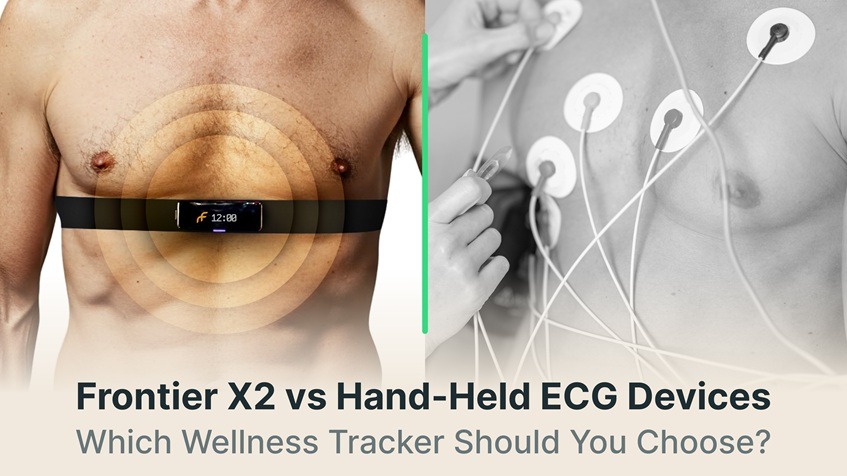
By wearing a personal ECG device, you can monitor your ventricular rhythm types and supraventricular rhythms in real time – without needing to be in a clinic.
One of the most researched links is between sleep apnea and atrial fibrillation (AFib). Sleep apnea can:
In many patients, treating sleep apnea improves AFib management. But you need continuous monitoring to know how your heart responds at night.
Sleep apnea doesn’t just affect the atria – it can also cause ventricular arrhythmias such as ventricular tachycardia (V-Tach) or ventricular fibrillation (V-Fib). These are potentially life-threatening conditions where the heart’s lower chambers beat too fast or out of sync.
Increased ventricular activity during sleep can lead to:
Continuous ECG monitors provide vital data on ventricular tachycardia ablation success rate by showing how effective treatments are in reducing nighttime arrhythmias.
Managing sleep conditions like apnea is essential for both heart health and overall well-being. Here’s how you can start:
If you’re experiencing sleep disturbances alongside heart rhythm problems, don’t ignore them. Combining sleep health management with continuous ECG monitoring can help prevent dangerous complications.
Consider seeing a sleep specialist or cardiologist if you:
Sleep is when your body should recover – not a time when your heart is under threat. By addressing sleep apnea and using continuous ECG monitoring, you can protect yourself from the dangerous cycle of sleep-related arrhythmias.
Whether you’re managing AFib, V-Tach, or simply want to improve your sleep, tracking your heart rate during sleep can give you life-saving insights. With the right tools and proactive care, you can sleep well – and keep your heart healthy.
Q: Can sleep apnea cause heart arrhythmias?
A: Yes, sleep apnea increases the risk of arrhythmias such as AFib, PVCs, and V-Tach due to oxygen drops and stress on the heart.
Q: How do I know if I have arrhythmias during sleep?
A: A continuous ECG monitor can track your heart rhythm overnight, detecting irregular beats that you may not feel.
Q: Does treating sleep apnea reduce arrhythmia risk?
A: Yes, using CPAP machines or other apnea appliances can lower the frequency of nighttime arrhythmias.
Q: What’s the benefit of a personal ECG device?
A: Unlike short-term monitors, personal ECG devices offer continuous heart monitoring – helping catch arrhythmias during sleep or daily life.





JOIN OUR NEWSLETTER
Get the latest articles, tips, offers & other exclusive content from Fourth Frontier.
