
Supraventricular Tachycardia vs. Ventricular Tachycardia: Understanding the Difference and Why It Matters
By: Fourth Frontier -
August 21, 2025 10:14 am


Your heart is the engine of your body, tirelessly pumping blood and sustaining life. But when its rhythm is disrupted, especially in the form of tachycardia – an abnormally fast heartbeat – it can become more than just a flutter. Two major types of tachycardia include Supraventricular Tachycardia (SVT) and Ventricular Tachycardia (VT), each with distinct causes, implications, and treatments.
In this blog, we explore the difference between SVT and VT, their symptoms, risks, and how continuous ECG technology and modern treatment options are revolutionizing diagnosis and care.
SVT refers to any tachyarrhythmia originating above the ventricles, typically in the atria (the upper chambers), but not originating in the sinoatrial node. These arrhythmias result in a heart rate that can soar to 150-220 beats per minute. SVT rhythm is usually regular; exceptions include atrial fibrillation (AFib) and multifocal atrial tachycardia (MAT).
Read More: Understanding Supraventricular Tachycardia (SVT): Symptoms, Causes, and Treatment
VT is a rapid heart rhythm that originates in the ventricles. Unlike SVT, VT can be considered as life-threatening because it affects the heart’s main pumping chambers. Left ventricular tachycardia, in particular, can severely reduce cardiac output, leading to dizziness, fainting, and even sudden cardiac arrest.
VT causes most cases of sudden cardiac death, with an estimated rate of 300,000 deaths each year in the United States.
Read More: What is Ventricular Tachycardia and What Are The Most Common Signs?
| Feature | Supraventricular Tachycardia (SVT) | Ventricular Tachycardia (VT) |
| Origin | Above the ventricles | Within the ventricles |
| Heart Rate | 150-220 bpm | Often >100 bpm |
| Severity | rarely dangerous, unless they stay in SVT for too long | Potentially life-threatening |
| Common Triggers | Stress, caffeine, stimulants | Structural heart disease |
| Treatment Options | Vagal maneuvers, drugs for SVT, SVT ablation | VT drugs, defibrillation, VT ablation |
| Detection | ECG, Holter monitor | ECG, Holter monitor |
Why Does Differentiation Matter?
Correctly identifying whether a fast heart rhythm is SVT or VT can drastically change the course of treatment. Treating VT as SVT can delay life-saving interventions. On the other hand, overtreating SVT as a life-threatening emergency can cause unnecessary stress and medical procedures.
Both conditions require expert diagnosis, but the consequences of mismanagement differ greatly. Continuous heart monitoring is pivotal for capturing these arrhythmias, especially when they are intermittent or asymptomatic.
How Are These Conditions Diagnosed?
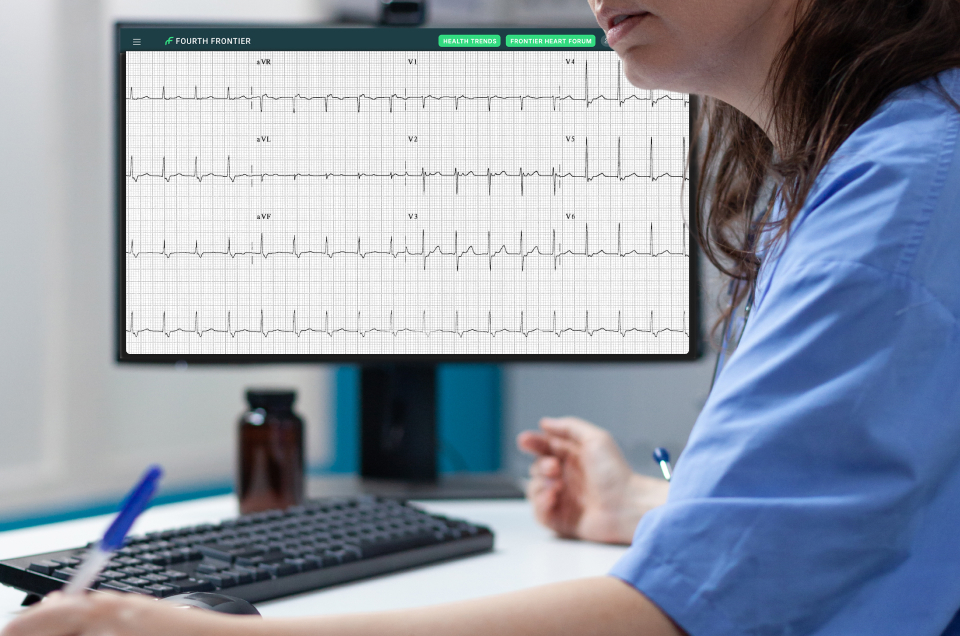
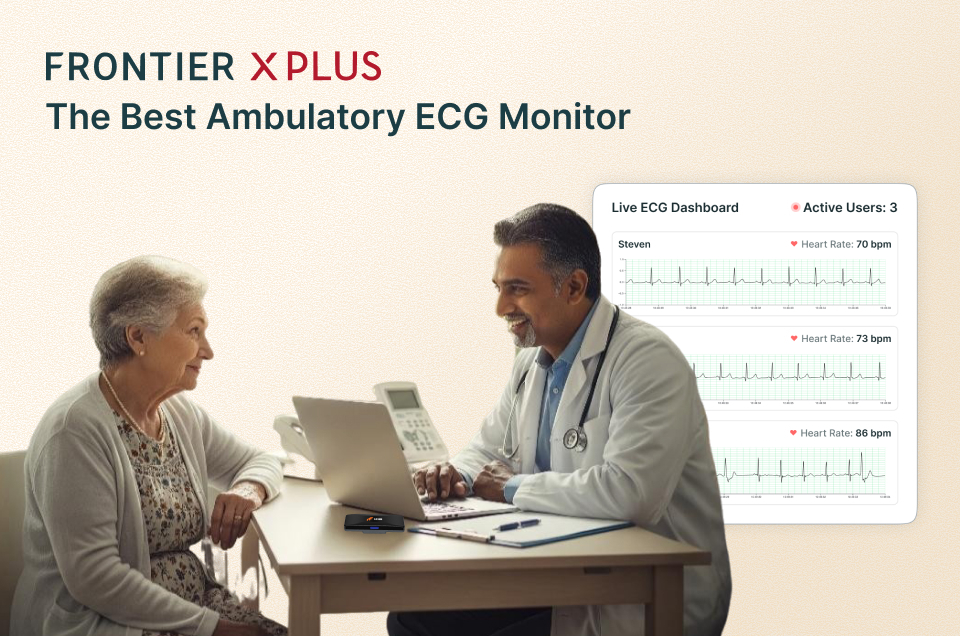
The first step is a 12-lead ECG, but due to the fleeting nature of SVT and VT episodes, continuous heart monitoring using medical Holter monitors or advanced wearable monitors provides invaluable insight.
Additional diagnostic tools include:
Treatment Pathways
SVT Treatment Options may be
Disclaimer: Medication should be based on a patient’s medical history, current medications, and other patient factors.
Early detection is essential. Symptoms can be misleading, and many arrhythmias are asymptomatic, especially in early stages.
With continuous heart monitoring:

While not all cases of SVT or VT are preventable, you can reduce your risk with healthy lifestyle choices and medical supervision:
SVT and VT are both forms of tachycardia, but the stakes and strategies involved in treating them are different. The health of the heart depends not just on its strength but also on its rhythm.
Whether you’re managing an SVT heart condition or facing the risks of VT, timely diagnosis, continuous heart monitoring, and appropriate treatments are critical. From vagal maneuvers for SVT to ventricular tachycardia treatment drugs, modern medicine offers effective pathways to manage both.
ECG monitors that can record continuously have transformed the landscape for patients and clinicians alike – offering an accessible, non-invasive window into the heart’s electrical activity in real time.
SVT originates above the ventricles (usually in the atria), while VT originates in the ventricles. SVT is generally less dangerous than VT, which can lead to sudden cardiac arrest.
Not directly. However, individuals with predisposing conditions could experience both types of arrhythmias.
No, but sustained VT is a medical emergency and can lead to cardiac arrest if not treated immediately.
Depending on the cause and patient profile, VT ablation success rates have been over 75%.
Continuous ECG monitors or medical Holter monitors are the most effective tools for detecting intermittent arrhythmias like SVT and VT.
Yes. Drugs like adenosine and beta-blockers are used for SVT, while amiodarone and lidocaine are common for VT (Disclaimer: medication should be based on a patient’s medical history, current medications, and other patient factors)
Simple actions like coughing or bearing down can help interrupt SVT episodes and restore normal rhythm.
With proper treatment and monitoring, many individuals with these arrhythmias can lead normal, active lives.




JOIN OUR NEWSLETTER
Get the latest articles, tips, offers & other exclusive content from Fourth Frontier.
