
Women and AFib: Unique Triggers to Be Aware Of
By: Fourth Frontier -
November 19, 2025 2:53 pm

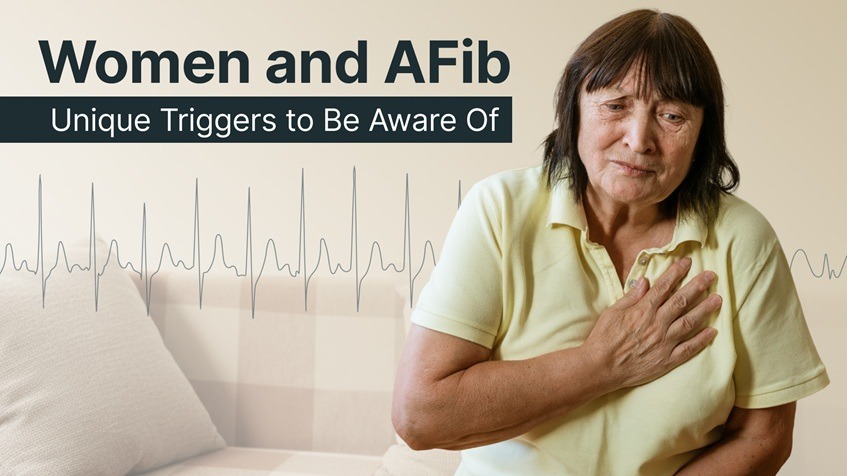
Atrial Fibrillation (AFib) is one of the most common heart rhythm disorders worldwide, affecting millions of people – but when it comes to women, AFib behaves differently. While men are statistically more likely to develop AFib, women tend to experience more severe symptoms, a higher risk of complications, and are often underdiagnosed.
Understanding the unique AFib triggers in women – from hormonal fluctuations and stress to underlying health conditions – is essential for early detection and prevention. With the help of long-term ECG monitoring through advanced wearables like Frontier X Plus, women can now track subtle changes in their heart rhythm, empowering them to take charge of their cardiac health.
AFib is a type of atrial arrhythmia where the upper chambers of the heart (atria) beat irregularly and out of sync with the lower chambers (ventricles). This irregular electrical activity can cause the heart to pump less efficiently, leading to poor circulation, blood clots, stroke, and heart failure if left untreated.
Women often experience different or atypical AFib symptoms, including:
While these symptoms may seem mild or be mistaken for stress or menopause-related changes, they can signal an underlying heart rhythm disorder.
Hormonal changes across a woman’s life – especially during menstruation, pregnancy, perimenopause, and menopause – can influence heart rhythm stability. Estrogen and progesterone affect autonomic balance and electrical conduction, meaning fluctuations can make women more prone to arrhythmias like AFib.
Low estrogen levels post-menopause may also contribute to increased inflammation, higher blood pressure, and reduced vascular elasticity, all of which could elevate AFib risk.
Psychological stress and anxiety are well-known triggers of irregular heartbeats. In women, chronic stress often leads to elevated cortisol and adrenaline levels, which increase sympathetic nervous system activity – a key contributor to atrial arrhythmias.
Women are also more likely than men to experience stress-induced cardiomyopathy (Takotsubo syndrome), which can mimic or exacerbate AFib episodes.
Women have significantly higher incidence of hypothyroidism and hyperthyroidism than males and both conditions can disrupt normal cardiac rhythm.
Monitoring thyroid levels is crucial for women with recurrent palpitations or AFib-like symptoms.
Poor sleep quality, insomnia, and sleep apnea are all linked to AFib. Hormonal transitions such as menopause often increase the prevalence of sleep-disordered breathing in women.
When oxygen levels drop during sleep apnea, the heart compensates by increasing rate and pressure, which can strain the atria and trigger arrhythmia.
While occasional caffeine intake is safe, excessive consumption of coffee, energy drinks, or alcohol can trigger AFib episodes, particularly in women sensitive to stimulants. Alcohol disrupts electrolyte balance and increases atrial excitability, while dehydration reduces blood volume, stressing the cardiovascular system.
Certain over-the-counter cold medicines, weight-loss pills, or herbal supplements can act as sympathomimetic agents, raising heart rate and inducing arrhythmia. Women taking hormone replacement therapy (HRT) or oral contraceptives should consult their doctors if they experience palpitations or rapid heartbeats.
Conditions like hypertension, diabetes, obesity, and anemia are more likely to cause AFib in women. Chronic inflammation, fluid retention, and changes in cardiac structure from these diseases can disrupt the heart’s electrical stability.
Women’s AFib symptoms are often atypical or intermittent, leading to misdiagnosis or delayed care. Moreover, AFib in women tends to occur later in life and often coincides with other age-related cardiac issues, compounding risk.
Because AFib episodes can come and go, traditional short-term ECGs or occasional check-ups may miss them. This is where long-term ECG monitoring becomes invaluable.
Modern wearable ECG tools such as the Frontier X Plus – a medical-grade, FDA-cleared, prescription-based long-term ECG monitor – enable women to record single-lead ECG and heart-rate data over extended periods, giving them and their physicians a clearer picture of how the heart behaves in daily life.
These tools can help you:
For women who experience occasional palpitations, light-headedness, or fatigue, long-term ECG recording offers a more complete picture of how the heart responds to everyday activities — insights that short-duration tests may not capture.
AFib can be effectively managed with lifestyle adjustments, early detection, and data-driven monitoring. As more women embrace wearable cardiac technology, the ability to detect arrhythmias early and prevent complications is stronger than ever.
Continuous and long-term ECG monitoring empowers women to move beyond guesswork – allowing them to truly understand how stress, hormones, and sleep affect their heart rhythm.
Common AFib symptoms in women include fatigue, palpitations, shortness of breath, dizziness, and sleep disturbances. These may differ from the typical chest fluttering seen in men.
Yes. Fluctuations in estrogen and progesterone during menopause, pregnancy, or menstrual cycles can affect heart rhythm and trigger AFib episodes.
Q3. How is AFib diagnosed in women?
Atrial Fibrillation (AFib) is diagnosed through an electrocardiogram (ECG) performed or reviewed by a healthcare professional. Since AFib episodes can occur intermittently, long-term ECG monitoring can provide additional rhythm data between clinical assessments.Medical-grade devices such as Frontier X Plus (FDA-cleared) are designed to detect AFib, tachycardia, and bradycardia, to help users observe rhythm patterns over time.
Managing stress, avoiding stimulants, getting quality sleep, staying hydrated, and maintaining a heart-healthy diet all lower AFib risk.
While not all cases can be prevented, early detection, regular heart monitoring, and controlling contributing conditions like hypertension and thyroid disorders can significantly reduce risk.




JOIN OUR NEWSLETTER
Get the latest articles, tips, offers & other exclusive content from Fourth Frontier.
