


Atrial fibrillation (AFib) and heart failure (HF) are two of the most common – and closely connected – cardiovascular disorders worldwide. It is often uncertain whether heart failure leads to atrial fibrillation or develops as a result of it, since both conditions share complex, interdependent mechanisms. This interplay can create a vicious cycle that profoundly affects heart function, quality of life, and overall survival. Recognizing and understanding the connection between AFib and heart failure are essential for early detection, prevention, and effective management.
What Is Atrial Fibrillation (AFib)?
Atrial fibrillation is a type of cardiac arrhythmia – an irregular and sometimes rapid heart rhythm. In AFib, the upper chambers of the heart (atria) beat chaotically and out of sync with the lower chambers (ventricles). This irregular rhythm can cause poor blood flow, palpitations, dizziness, shortness of breath, or fatigue.
AFib affects millions globally, and its prevalence increases with age and conditions like hypertension, diabetes, obesity, and coronary artery disease. What makes AFib particularly concerning is its association with major complications such as stroke and heart failure.
What Is Heart Failure?
Heart failure doesn’t mean the heart has stopped working. It means the heart is unable to pump enough blood to meet the body’s needs. There are two main types:
- Heart Failure with Reduced Ejection Fraction (HFrEF): The heart’s pumping ability is weakened.
- Heart Failure with Preserved Ejection Fraction (HFpEF): The heart’s pumping strength is normal, but stiffness prevents proper filling.
Both types can occur in patients with AFib, often worsening symptoms and complicating treatment.
The Two-Way Relationship Between AFib and Heart Failure
AFib and heart failure often coexist – and each condition can worsen the other through distinct mechanisms:
- AFib leading to Heart Failure
When the atria beat irregularly and rapidly, the ventricles may also beat too fast. This persistent tachycardia can strain the heart muscle, leading to tachycardia-induced cardiomyopathy – a reversible form of heart failure caused by sustained rapid heart rates.
AFib also reduces atrial contraction, which normally contributes up to 30% of ventricular filling. Without it, the heart’s pumping efficiency drops, increasing the risk of fluid buildup, shortness of breath, and fatigue. - Heart Failure leading to AFib
In heart failure, increased pressure and stretching of the atria can disrupt the heart’s electrical system. This remodeling creates the perfect environment for AFib to develop. High levels of stress hormones, inflammation, and fibrosis further damage cardiac tissue, perpetuating arrhythmia risk.
Together, these processes form a feedback loop – where some industry experts believe that AFib may worsen heart failure and that heart failure may increase AFib risk
How Common Is the Overlap?
Studies suggest that up to 40% of people with newly diagnosed heart failure had AFib at some stage of their illness. The presence of both conditions is associated with worse outcomes, including more frequent hospitalizations, reduced exercise capacity, and higher mortality rates.
Symptoms: How to Tell When AFib or Heart Failure Is Getting Worse
Many symptoms overlap, making it challenging to distinguish which condition is responsible. Common signs include:
- Shortness of breath (especially during activity or lying down)
- Fatigue or weakness
- Palpitations or irregular heartbeat
- Swelling in legs, ankles, or feet
- Dizziness or lightheadedness
- Chest discomfort
- Rapid weight gain from fluid buildup
Because AFib can come and go (paroxysmal AFib), symptoms may fluctuate – making continuous rhythm monitoring crucial.
The Hidden Dangers: Stroke and Sudden Worsening
AFib increases the risk of stroke by five times. In heart failure patients, this risk is even higher because blood flow is already compromised. AFib can also worsen heart failure suddenly, causing fluid accumulation in the lungs – a condition known as acute decompensated heart failure, which requires emergency treatment.
Why Detecting AFib Early Matters in Heart Failure Prevention
Early recognition and management of AFib can prevent structural heart damage. Continuous monitoring allows for detection of asymptomatic (“silent”) AFib, which may otherwise go unnoticed but still poses a high stroke and heart failure risk.
In several studies, AFib episodes lasting greater than 5 minutes were associated with an increased likelihood of stroke and progression to sustained AFib. Early rhythm control strategies – such as medications or catheter ablation – can prevent cardiac remodeling and delay or reverse heart failure progression.
Diagnosis: How Doctors Identify AFib and Heart Failure
A thorough evaluation includes:
- 12-lead Electrocardiogram (ECG): To identify irregular rhythm.
- Echocardiogram: To assess heart function, chamber size, and ejection fraction.
- Holter or Continuous Single Lead ECG Monitoring: To detect intermittent or exercise-induced AFib.
- Blood tests: To check for thyroid, kidney, and electrolyte abnormalities.
- Cardiac MRI or CT scan: In selected cases to evaluate structural disease.
Treatment Strategies: Managing Both AFib and Heart Failure Together
Treating AFib in the context of heart failure requires balancing rhythm control, rate control, and stroke prevention.
1. Rate Control
The goal is to maintain a manageable heart rate (typically below 100 bpm at rest) using medications such as:
- Beta-blockers
- Calcium channel blockers (in select patients)
- Digoxin (for additional control in heart failure)
2. Rhythm Control
Restoring and maintaining normal sinus rhythm can improve symptoms and heart function. Options include:
- Antiarrhythmic medications
- Electrical cardioversion
- Catheter ablation, which isolates arrhythmic foci in the atria – especially effective in patients with symptomatic AFib and reduced ejection fraction.
3. Stroke Prevention
Anticoagulation is essential. The CHA₂DS₂-VASc score helps assess stroke risk and guide therapy with agents like apixaban, rivaroxaban, or warfarin.
4. Heart Failure Optimization
Medications such as ACE inhibitors, ARBs, beta-blockers, MRAs, and SGLT2 inhibitors not only improve heart function but also lower the risk of recurrent AFib episodes.
Lifestyle Modifications That Benefit Both Conditions
- Maintain a healthy weight and control blood pressure.
- Limit alcohol and caffeine, both of which can trigger AFib.
- Get regular physical activity – but avoid overexertion as advised by physician/doctor.
- Prioritize sleep quality, as sleep apnea worsens both AFib and HF.
- Manage stress, which can increase arrhythmia risk.
The Role of Long-Term ECG Monitoring
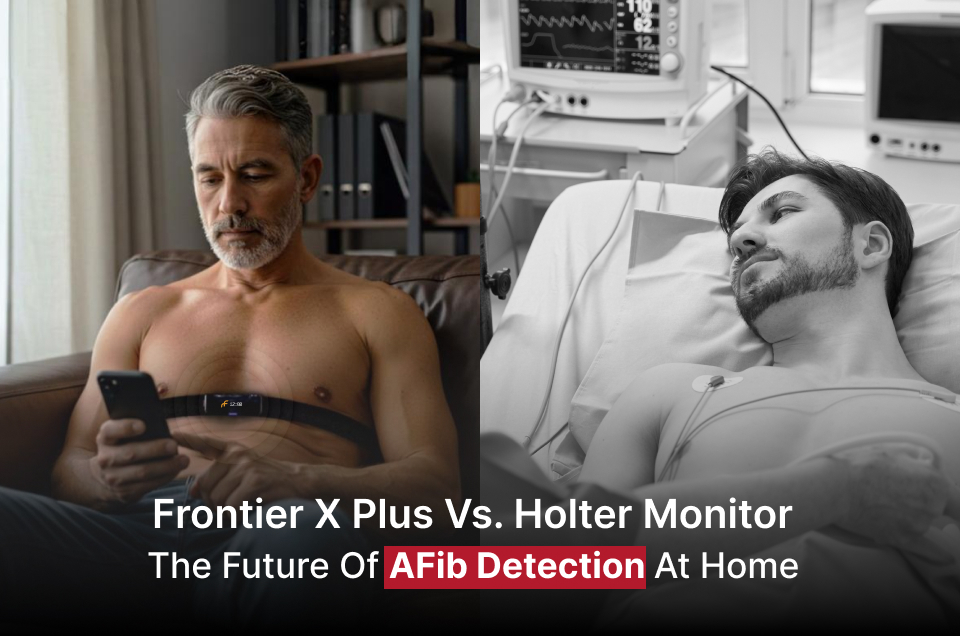
One of the key challenges in managing AFib and heart failure is the intermittent nature of symptoms. Long-term ECG monitoring – through advanced tools like the Frontier X Plus – bridges this gap by providing long-term rhythm data during rest, activity, and sleep.
Unlike smartwatches that rely on optical sensors, the Frontier X Plus offers medical-grade chest-based ECG accuracy, validated against traditional 12-lead ECGs. It continuously captures heart rhythm patterns, helping identify silent AFib episodes, sustained tachycardia, or bradycardia – all vital indicators of cardiac strain.
For individuals with AFib, heart failure, or both, using long-term ECG monitoring empowers proactive management, allowing physicians to adjust medications or recommend interventions before complications develop.
Prognosis: Can You Live Well with AFib and Heart Failure?
Absolutely – with timely detection, consistent monitoring, and lifestyle management. Advances in ablation therapy, new-generation anticoagulants, and wearable ECG technology mean patients can maintain excellent quality of life while reducing their risk of stroke or hospitalization.
The key lies in personalized care – knowing your rhythm, understanding your triggers, and partnering with your healthcare provider to stay ahead.
FAQs on AFib and Heart Failure
- Can AFib cause heart failure even if I have no symptoms?
Yes. Silent AFib can lead to structural heart damage and impaired pumping function over time – making early detection crucial. - Which comes first – AFib or heart failure?
It varies. AFib can trigger heart failure due to fast rates, and heart failure can cause AFib due to chamber stress. Often, both progress together. - Does controlling heart rate help prevent heart failure?
Yes. Keeping your heart rate within a target range reduces cardiac workload and helps preserve heart muscle function. - How can I track my AFib episodes at home?
You can monitor your heart’s activity at home using tools that record ECG over time. The Frontier X Plus is a medical-grade, FDA-cleared, long-term ECG monitor that records detailed heart rhythm data, enabling physicians to review and assess patterns that may be consistent with AFib or other rhythm irregularities. For personal wellness insights, the Frontier X2 offers ECG and heart-rate tracking during workouts or daily life, helping you observe how your heart responds to exertion and recovery – supporting more informed conversations with your healthcare provider. - What lifestyle changes lower the risk of both AFib and heart failure?
Regular exercise, a heart-healthy diet, managing blood pressure, avoiding alcohol binges, and getting good sleep are proven to help.
Related Posts
You might also like



-

Featured Articles
- Preparing for London or Boston Marathon? These Metrics...
 March 30, 2026
 - 10 Signs You Might Have Heart Disease
 March 24, 2026
 - The Best Way to Track Heart Rate in the Gym: Wrist...
 March 22, 2026
-
JOIN OUR NEWSLETTER
Get the latest articles, tips, offers & other exclusive content from Fourth Frontier.
