

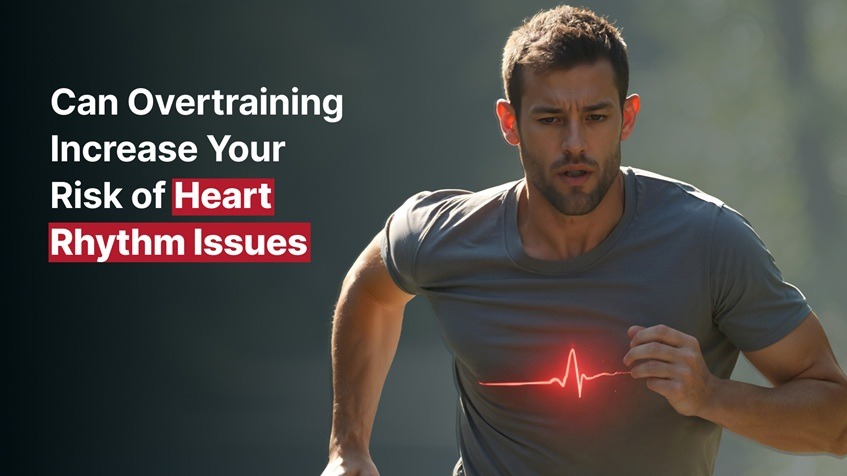
You train to get stronger, faster, and fitter. You push harder because discipline feels productive and progress feels addictive. But there is a point where dedication quietly turns into overload. When training stress keeps stacking without enough recovery, your heart may begin to respond in ways you cannot feel right away.
Overtraining does not just affect muscles or motivation. It can influence your heart rhythm, your recovery capacity, and your long-term cardiovascular health. Understanding how overtraining impacts your heart helps you train smarter and stay safe while chasing performance.
What Overtraining Really Means for Your Body
Overtraining is not a single hard workout. It is a pattern of stress that exceeds your body’s ability to recover over time.
It often develops when you combine:
• High training volume
• High intensity sessions
• Poor sleep or nutrition
• Emotional or work-related stress
• Inadequate rest days
Your body adapts to stress only when recovery follows. Without recovery, stress accumulates internally even when your performance appears normal on the surface.
How Your Heart Responds to Excessive Training Load
Your heart reacts immediately to physical and mental stress. It increases rate, alters rhythm patterns, and shifts nervous system balance to support effort.
With balanced training, this response is healthy and reversible. With chronic overload, the heart can remain in a prolonged stress state.
This may lead to:
• Elevated resting heart rate
• Reduced heart rate variability
• Slower recovery after exercise
• Increased electrical instability
These changes do not mean something is wrong immediately. They mean your heart is working harder than it should for too long.
Can Overtraining Increase Heart Rhythm Issues
Yes. Research and clinical observation suggest that prolonged intense training without adequate recovery may increase the risk of certain heart rhythm irregularities in susceptible individuals.
This is especially relevant for:
• Endurance athletes
• High volume gym training enthusiasts
• Athletes combining strength and intense cardio
• Individuals training through fatigue
Over time, excessive training stress may contribute to:
• Increased atrial irritability
• Episodes of palpitations
• Exercise-related rhythm disturbances
• Higher likelihood of atrial arrhythmias in endurance athletes
This does not mean exercise is dangerous. It means unmanaged overload can shift from adaptation to strain.
Why Overtraining Affects Heart Rhythm
Several mechanisms explain why the heart rhythm may be affected by chronic overload.
Autonomic Nervous System Imbalance
Overtraining keeps your body in a fight or flight state. This suppresses parasympathetic recovery signals and may destabilise heart rhythm patterns.
Inflammation and Oxidative Stress
Repeated intense sessions without recovery increase systemic inflammation which may irritate cardiac tissue over time.
Electrolyte Imbalances
Heavy sweating combined with inadequate fueling alters sodium potassium and magnesium levels, which are critical for a stable heart rhythm.
Structural Adaptations
In rare cases, prolonged endurance overload may lead to excessive cardiac remodeling that alters electrical pathways.
Warning Signs Your Training Load May Be Affecting Your Heart
You should not ignore patterns that persist beyond normal fatigue.
Watch for:
• Persistent elevated resting heart rate
• Irregular heartbeat sensations during or after workouts
• Unusual breathlessness at familiar intensities
• Poor sleep despite physical exhaustion
• Declining performance without explanation
• Longer recovery times between sessions
These signs do not mean you should stop training. They mean you should reassess how you train.
Overtraining vs Healthy Adaptation
Healthy training stress leads to:
• Faster recovery over time
• Stable resting heart rate
• Improved heart rate variability
• Better repeat performance
Overtraining leads to:
• Rising fatigue
• Reduced readiness
• Elevated heart strain
• Reduced resilience
The difference is not how hard you train. It is how well you recover.
Why Long-Term, Continuous Heart Rhythm Monitoring Matters for Athletes
Heart rhythm changes often occur silently. You may feel strong while your internal stress is rising.
Long-term EKG monitoring allows heart rhythm and rate patterns to be recorded during daily activities, exercise, and sleep. This provides valuable context that single clinic tests may miss.
Tracking long-term patterns helps identify:
• Excessive training stress
• Poor recovery adaptation
• Rhythm irregularities linked to exertion
• Trends that warrant medical review
This is especially useful for athletes training year-round without long breaks.
Understanding the Role of Frontier Devices
For individuals under medical supervision or being evaluated for cardiac symptoms, Frontier X Plus is a medical-grade, prescription-based, FDA-cleared long-term EKG monitor. It records heart rhythm and rate over extended periods so physicians can review trends during real-world activity, exercise, and rest.
For athletes and fitness-focused individuals, Frontier X2 is a wellness-grade device that records ECG and heart rate data for training and recovery insights. It helps you understand how your heart responds to load strain and recovery without diagnosing conditions.
Together, these tools support awareness and not replacement of medical care. They help bridge performance and safety by revealing patterns that guide smarter decisions.
How Smarter Training Protects Your Heart
You do not need to reduce ambition to protect your heart. You need structure.
Balance Intensity and Volume
Avoid stacking high-intensity days repeatedly without lighter sessions in between.
Respect Recovery Signals
If your heart rate recovery slows or resting heart rate rises consistently, it is time to adjust.
Fuel and Hydrate Adequately
Under-fueling amplifies heart strain, especially during intense sessions.
Sleep Is Non Negotiable
Poor sleep increases cardiovascular stress and disrupts rhythm stability.
Periodize Your Training
Plan deload weeks and recovery phases intentionally, not reactively.
Long-Term Benefits of Managing Training Load
Athletes who manage load effectively experience:
• More consistent performance
• Lower injury rates
• Better endurance capacity
• Reduced burnout risk
• Greater training longevity
Your goal is not to avoid stress. Your goal is to apply it precisely.
FAQs
Can overtraining really affect heart rhythm
Yes, prolonged excessive training without recovery may increase heart rhythm irregularities, especially in endurance and high-intensity athletes.
What are the early signs of heart stress from overtraining
Elevated resting heart rate, poor recovery, palpitations, sleep disruption, and unexplained fatigue are common early indicators.
Is heart rhythm monitoring useful even if I feel fine
Yes, many rhythm changes occur silently. Monitoring trends helps detect issues before symptoms appear.
Should athletes stop training if they notice irregular heartbeats
You should reduce intensity and consult a healthcare professional rather than ignore persistent symptoms.
How can athletes reduce heart risk while training hard
Balance load, prioritize recovery fuel properly, sleep well, and track heart trends over time.
Final Takeaway
Overtraining does not announce itself loudly. It whispers through fatigue, poor recovery, and subtle heart changes.
If you want long-term performance, not short-term exhaustion, you must listen to your heart as carefully as your muscles.
Training smarter is not a weakness. It is what keeps strong athletes in the game longer.
Your heart is your most important performance engine. Train it with respect.
Related Posts
You might also like



-

Featured Articles
- Preparing for London or Boston Marathon? These Metrics...
 March 30, 2026
 - 10 Signs You Might Have Heart Disease
 March 24, 2026
 - The Best Way to Track Heart Rate in the Gym: Wrist...
 March 22, 2026
-
JOIN OUR NEWSLETTER
Get the latest articles, tips, offers & other exclusive content from Fourth Frontier.
