
Frontier X2 Explained: Accuracy, Compatibility, and Value
By: Fourth Frontier -
May 18, 2026 11:22 am

Wearable technology has changed the way people train, track health, and understand their bodies. From casual gym users to marathon runners, many people now rely on heart-rate data to guide workouts, monitor recovery, and stay aware of how their heart responds to stress. But not all devices are built the same, and choosing the right one often comes down to three questions:
Is it accurate? Will it work with my setup? And is it worth the cost?
Frontier X2 is designed for users who want more than basic fitness tracking but do not necessarily need a prescription medical monitor. Understanding its accuracy, compatibility, and overall value can help you decide whether it fits your training and heart-monitoring needs.
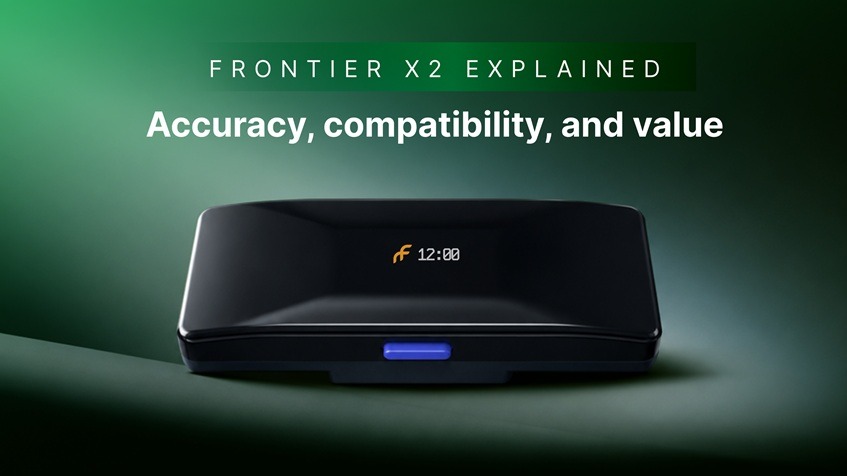
Frontier X2 is a chest-worn wellness device that records heart rate and ECG signals during exercise, rest, and daily activity. It is built for performance and wellbeing tracking, allowing users to see how their heart responds across different situations.
Unlike wrist-based wearables that estimate heart rate from blood flow, chest-based devices capture the electrical activity of the heartbeat. This usually results in more stable readings, especially during intense workouts or long sessions.
The goal of Frontier X2 is not to diagnose conditions, but to provide consistent heart-rate and trend data that users and physicians can review to understand patterns over time.
For people who train regularly or like structured workouts, this level of detail can make training feel more controlled.
Heart-rate numbers are often used to guide decisions during training. You may slow down when heart rate is too high, push harder when it is low, or stay in a specific zone during long runs.
If the data is inaccurate, those decisions may not match what your body is actually doing.
Small errors can affect:
For example, if your device shows 150 bpm but your real heart rate is 160 bpm, you may think you are running comfortably when you are actually working harder than planned.
Over time, these differences can affect endurance, recovery, and consistency.
This is why accuracy becomes more important as training becomes more structured.
Most smartwatches use optical sensors on the wrist. These sensors estimate heart rate by shining light into the skin and measuring changes in blood flow.
This method works reasonably well at rest or during steady movement, but readings can vary when:
Chest-based monitors work differently. They detect the electrical signal generated with each heartbeat, similar to ECG recording. Because the signal comes directly from the heart, readings usually respond faster and remain stable even during hard effort.
With chest-based monitoring, users often notice:
For athletes, runners, and gym users who rely on heart-rate zones, this consistency can make workouts easier to control.
Not all workouts challenge sensors in the same way. Some situations make wrist-based tracking more difficult.
Examples include:
During these activities, heart rate can rise quickly, and arm movement can interfere with optical readings.
Chest-based monitoring tends to stay stable in these conditions because the signal does not depend on wrist position.
For people who train occasionally, this difference may not matter much. For people who follow heart-rate-based plans, it often does.
Compatibility is one of the most important factors when choosing a wearable. Many users already have watches, cycling computers, or training apps they prefer.
Frontier X2 is designed to work with common training setups, allowing users to view heart-rate data alongside their usual performance metrics. This makes it easier to keep using familiar apps while improving the quality of heart-rate tracking.
Compatibility matters because it affects daily use. If a device does not fit into your normal routine, you are less likely to wear it consistently. A monitor only provides useful trends when it is worn regularly.
One of the biggest advantages of consistent heart-rate monitoring is the ability to see patterns over time. Single workouts do not show much. Trends across weeks or months can reveal more.
For example, you may notice:
These patterns help you understand how your body adapts to workload.
Frontier X2 allows users to review heart-rate and ECG recordings across different days, workouts, and conditions, making it easier to connect how you feel with what your heart is doing.
For people who train regularly, this long-term view is often more valuable than any single metric.
Not everyone needs a chest-based monitor. For casual activity tracking, wrist devices are usually enough.
Extra accuracy becomes more useful when you:
In these situations, inconsistent readings can make training harder to manage. A more stable signal makes it easier to trust the numbers you see.
Comfort often decides whether a device gets used consistently. Wrist wearables are easy to put on and forget. Chest straps require correct placement and adjustment.
Modern chest-worn devices are lighter and more flexible than older designs, but they still feel different from a watch. Many users find that once the fit is correct, the strap becomes easy to wear during workouts and long sessions. Because Frontier X2 is designed for active use, it stays stable during movement, which helps maintain signal quality.
Consistency in wearing the device is what allows useful trends to appear over time.
Many wearables focus mainly on activity metrics such as steps, calories, and pace. These numbers are helpful for motivation, but they do not always show how the heart itself is responding.
Frontier X2 focuses more on heart-rate behavior and ECG recording for wellness tracking, while still supporting fitness use.
This makes it useful for people who want to see:
For active users, this kind of information can make training feel more informed.
Value does not depend only on price. It depends on what the device allows you to do.
A simple tracker may be enough if you only want steps and basic heart rate.
A more advanced monitor may be worth it if you:
For these users, the extra detail can make workouts easier to control and progress easier to measure.
Value comes from using the data, not just collecting it.
Frontier X2 may be a good fit for people who:
It is not meant to replace medical care, but it can help users stay aware of how their heart behaves during real life and training.
That awareness can make both fitness tracking and heart monitoring feel more connected.
Choosing a wearable is not only about features. It is about how reliable the data feels and how well the device fits into your routine.
Accuracy affects training decisions. Compatibility affects daily use. Long-term trends affect understanding.
Frontier X2 is designed for users who want dependable heart-rate tracking, chest-based monitoring, and the ability to review how their heart responds across workouts, rest, and daily activity. By combining fitness tracking with ECG recording for wellness use, it sits between simple activity trackers and clinical monitors.
For people who care about both performance and heart awareness, that balance can make the device feel more useful over time.








JOIN OUR NEWSLETTER
Get the latest articles, tips, offers & other exclusive content from Fourth Frontier.
