
Stroke Prevention in AFib: What Your Cardiologist Wants You to Know
By: Fourth Frontier -
November 21, 2025 6:32 am

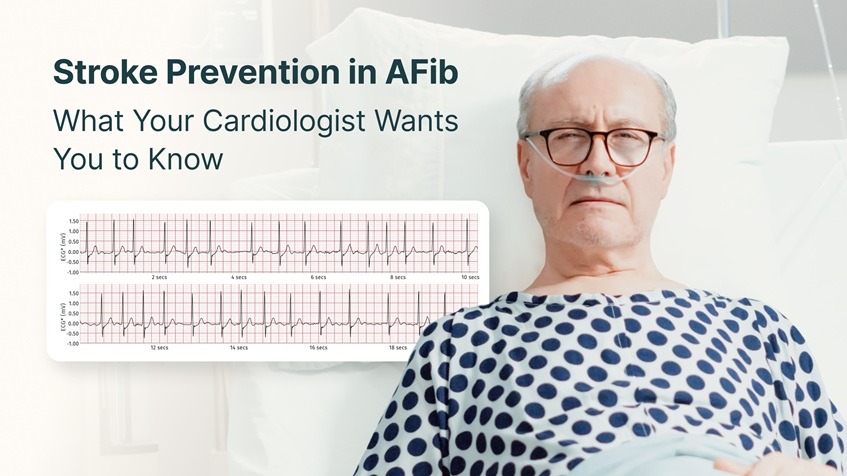
Atrial Fibrillation (AFib) is one of the most common heart rhythm disorders in the world – yet it’s also one of the most underdiagnosed. While AFib itself might not be immediately life-threatening, its greatest danger lies in what it can lead to: stroke.
In fact, AFib increases the risk of stroke by nearly fivefold. Understanding this connection and taking the right preventive steps can make a life-changing difference.
Let’s explore why AFib increases stroke risk, how cardiologists prevent it, and what you can do to protect your heart and brain health.
To understand why AFib raises stroke risk, you need to first understand what happens during this irregular heart rhythm.
In a healthy heart, the atria (upper chambers) contract in a steady, coordinated rhythm, efficiently pushing blood into the ventricles. But during Atrial Fibrillation, electrical signals become chaotic. The atria quiver instead of contracting properly, causing blood to pool and stagnate, especially in a small pouch called the left atrial appendage.
This stagnant blood can form clots, which may travel through the bloodstream and block an artery in the brain – leading to an ischemic stroke.
A stroke caused by AFib looks like any other stroke, but it’s often more severe. Key warning signs include:
Time is brain – if you suspect a stroke, call emergency services immediately.
Stroke prevention in AFib isn’t just about treating symptoms – it’s about reducing clot formation and maintaining rhythm stability.
Here’s what your cardiologist may recommend:
Medications like warfarin or newer DOACs (Direct Oral Anticoagulants) such as apixaban or rivaroxaban help prevent clot formation. Your doctor will assess your stroke risk using a scoring system like CHA₂DS₂-VASc, which considers factors like age, diabetes, heart failure, and hypertension.
Disclaimer: These medications should only be taken under the guidance and supervision of a qualified physician. Your cardiologist will determine whether anticoagulation is appropriate based on your medical history, risk profile, and current health status.
If your heart is racing or irregular, your cardiologist may use medications like:
In some cases, procedures like cardioversion or catheter ablation may be considered to reset or isolate abnormal electrical pathways.
For patients who can’t tolerate long-term anticoagulants, a left atrial appendage (LAA) closure device, such as the Watchman, can physically block clot escape routes.
Short-duration ECGs or smartwatch-based recordings may miss brief or nighttime AFib episodes that still contribute to stroke risk. Long-term ECG monitoring offers a more complete rhythm picture by tracking heart activity over extended periods.
Devices such as the medical-grade Frontier X Plus and the wellness-grade Frontier X2 allow users to record ECG data during daily routines, rest, and exercise. Unlike optical sensors found in many wrist-worn devices, these chest-worn tools capture electrical signals directly from the chest, providing clearer ECG waveforms with visible P-waves. This can support users and their healthcare providers in reviewing rhythm patterns and understanding overall heart-performance trends more effectively.
For individuals seeking to lower AFib-related stroke risk, long-term ECG monitoring can help:
By offering long-term rhythm insights, these tools support a shift toward more informed and proactive heart health management.
You should discuss AFib and stroke prevention if you experience:
Even if your symptoms seem mild, early detection through ECG-based evaluation can significantly lower your long-term stroke risk.
AFib doesn’t have to dictate your future. With proper management – medications, lifestyle optimization, and consistent heart rhythm monitoring – you can dramatically reduce the risk of stroke and maintain an active, fulfilling life.
Many cardiologists now recommend combining clinical follow-ups with wearable ECG monitoring, ensuring that rhythm irregularities are caught before they cause harm.
When patients understand their heart rhythm patterns, they become empowered to make informed decisions – and that’s the essence of modern cardiac care.
AFib causes the upper chambers of the heart to beat irregularly, allowing blood to pool and form clots. These clots can travel to the brain and block arteries, resulting in an ischemic stroke.
Yes. With the right combination of anticoagulants, lifestyle changes, and rhythm management, most AFib-related strokes can be prevented.
No. AFib can be paroxysmal (intermittent), persistent, or permanent. Early intervention improves chances of maintaining normal sinus rhythm.








JOIN OUR NEWSLETTER
Get the latest articles, tips, offers & other exclusive content from Fourth Frontier.
