
The Importance of Accurate Heart Rate Monitoring During High-Intensity Training
By: Fourth Frontier -
June 11, 2026 4:41 pm

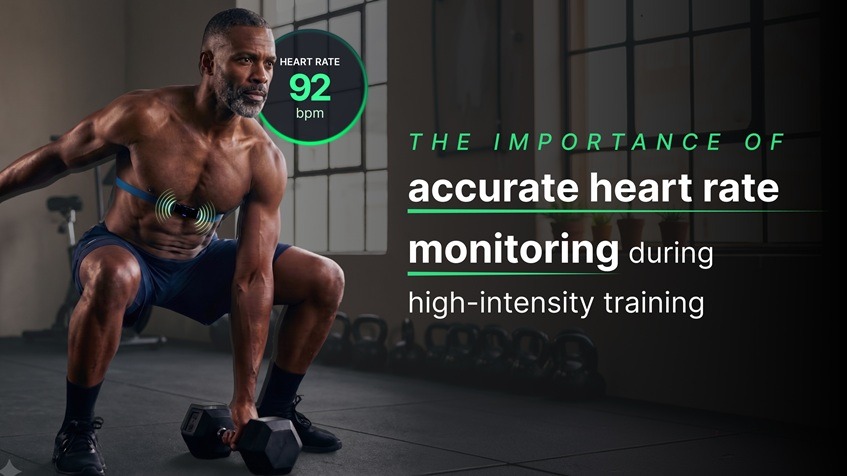
You finish a brutal interval session drenched in sweat, breathing hard, and feeling completely spent. But when you glance at your watch, the heart-rate graph looks strangely calm. The spikes seem delayed, the recovery looks smoother than it felt, and the numbers do not quite match the intensity your body just experienced.
For many athletes, this situation is surprisingly common.
High-intensity training pushes the body through rapid changes in effort, recovery, and cardiovascular demand. During these sessions, heart-rate data becomes more than just a fitness statistic. It shapes pacing, recovery timing, workout quality, and long-term training decisions.
That is why accurate heart-rate monitoring matters far more during high-intensity exercise than most people realize.
At lower intensities, small inaccuracies may not seem important. During demanding intervals, however, delayed or inconsistent readings can change how athletes interpret effort, manage fatigue, and structure training progression over time.
High-intensity workouts are built around precision.
Whether you are doing sprint intervals, threshold repeats, circuit training, rowing sessions, or aggressive cycling efforts, the goal is usually to push the cardiovascular system into specific intensity ranges before allowing controlled recovery.
Athletes use heart-rate monitoring during these sessions to:
But these decisions only work when the data reflects what the body is actually doing in real time.
If the signal lags behind effort, the training feedback becomes less reliable.
Steady-state exercise is relatively easy to track.
During smooth activities like walking, light jogging, or relaxed cycling, heart rate changes gradually. Even basic optical wrist sensors can often provide reasonably stable readings under those conditions.
High-intensity training is completely different.
Heart rate can rise sharply within seconds during:
At the same time, the body introduces factors that interfere with wrist-based tracking:
This combination makes high-intensity workouts one of the most challenging environments for heart-rate monitoring accuracy.
One of the biggest issues with wrist-based optical tracking during intense exercise is delay.
Optical sensors estimate heart rate through blood-flow changes beneath the skin. That process takes time, especially when intensity changes happen rapidly.
As a result:
During a long steady run, this may not matter much.
During a 30-second sprint interval, however, even a short delay can distort how the entire session is interpreted.
By the time the watch catches up to your effort, the interval may already be ending.
Many athletes assume heart-rate inaccuracies are minor inconveniences.
In reality, they can quietly influence training quality over weeks and months.
If heart rate appears lower than it truly is:
If heart rate appears artificially elevated:
Over time, inaccurate feedback can shift training away from its original purpose.
And in structured training, small errors repeated consistently often become meaningful.
As athletes progress, workouts become increasingly specific.
Easy runs target aerobic development.
Threshold sessions target sustainable intensity.
VO2 max workouts target oxygen utilization.
Recovery sessions aim to reduce fatigue without adding unnecessary stress.
Each session exists for a reason.
When heart-rate data becomes unreliable, it becomes harder to know whether the body is actually training within the intended physiological range.
This is why athletes who train seriously often become more focused on measurement quality over time.
They are not simply tracking effort anymore.
They are using physiological data to guide adaptation.
Most smartwatches and fitness bands use optical sensors placed on the wrist. These sensors work by shining light into the skin and estimating pulse through blood-flow changes.
The convenience is obvious:
But HIIT and intense exercise expose the weaknesses of optical tracking quickly.
Rapid movement, gripping, explosive arm motion, sweat buildup, and muscle tension all interfere with the optical signal.
This can cause:
Many athletes notice this intuitively.
The watch may show a calm recovery number while the body still feels deep in exertion.
Or the heart rate may suddenly jump after the hardest effort has already passed.
Chest-based ECG monitoring approaches heart-rate tracking differently.
Instead of estimating pulse through blood flow, ECG measures the electrical activity of the heart directly from the chest.
Because the signal is captured closer to the source, the data responds more quickly to rapid changes in intensity.
This creates several advantages during high-intensity training:
That is why chest-based monitoring remains widely used in:
When training intensity rises, precision becomes more valuable.
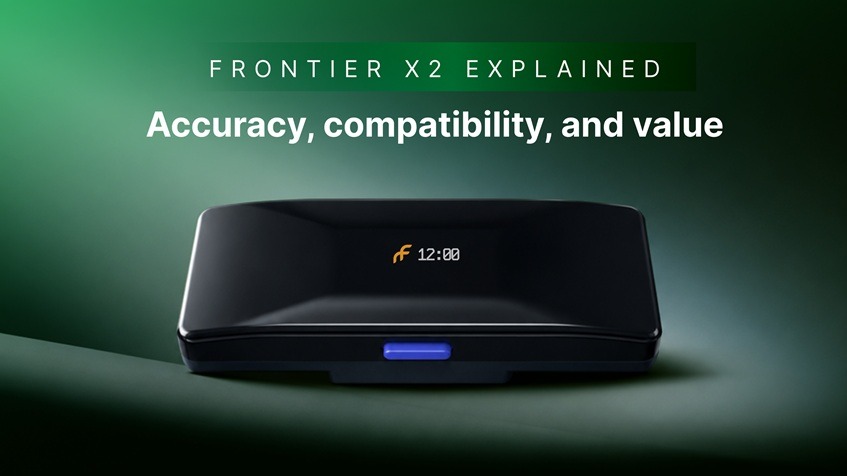
Frontier X2 is a chest-worn device that records ECG and heart rate during exercise, recovery, and daily activity. Because it captures electrical heart activity directly from the chest, it provides more stable heart-rate tracking during demanding workouts where wrist-based sensors may struggle.
This becomes especially useful during:
For athletes training with heart-rate zones or structured intensity targets, this creates a clearer picture of actual cardiovascular effort.
Instead of relying on delayed optical estimates, users can train with more responsive heart-rate feedback during rapid changes in intensity.
High-intensity training does not only challenge performance. It also challenges recovery.
One of the biggest mistakes athletes make is focusing only on workout intensity while ignoring how the body responds afterward.
Accurate heart-rate monitoring helps athletes observe:
This matters because adaptation happens between workouts, not during them.
If recovery becomes compromised repeatedly, performance eventually declines regardless of workout quality.
The conversation around wearables is changing.
People are no longer impressed simply by having more metrics.
They want metrics they can trust.
Athletes are increasingly asking:
As training becomes more structured, data quality matters more than data quantity.
Because when workouts depend on timing, pacing, and physiological control, accuracy directly affects decision-making.
The effectiveness of interval training depends heavily on balancing work and recovery precisely.
Push too little, and the workout loses stimulus.
Push too hard too often, and fatigue accumulates faster than adaptation.
Heart-rate monitoring helps athletes manage this balance, but only when the signal reflects reality accurately enough to guide decisions in real time.
That is why precision becomes especially important during:
These sessions depend on rapid cardiovascular transitions that delayed tracking may fail to capture properly.
High-intensity training places enormous demands on the cardiovascular system. During these workouts, heart-rate data becomes more than a background statistic. It becomes part of how athletes pace effort, manage recovery, and evaluate adaptation over time.
At lower intensities, small inaccuracies may seem harmless. But as workouts become faster, harder, and more structured, those inaccuracies become easier to notice and more likely to affect training decisions.
That is why accurate heart-rate monitoring matters.
Not simply for collecting numbers, but for understanding how the body is actually responding under stress.
Because when training depends on precision, the quality of the data matters just as much as the effort itself.







JOIN OUR NEWSLETTER
Get the latest articles, tips, offers & other exclusive content from Fourth Frontier.
