

get lasix online https://discoveryhealthmd.com/wp-content/uploads/2025/01/lasix.html
What is Hypothyroidism? It is a condition defined by the thyroid gland’s inability to produce enough thyroid hormone. This deficiency of hormones can disrupt your heart rate, body temperature, and metabolism. Hypothyroidism can also cause heart arrhythmias. The thyroid gland plays a role in regulating the body’s metabolism, and when the thyroid gland is not producing enough hormones, the body’s metabolism may slow down, leading to a slower heart rate. This can result in arrhythmias, which are abnormal rhythms of the heart.
Symptoms of hypothyroidism can include fatigue, weight gain, dry skin, and cold intolerance. If you have these symptoms and are concerned about the possibility of hypothyroidism, it is important to see a healthcare provider for proper diagnosis and treatment. Treatment for hypothyroidism typically involves taking thyroid hormone replacement medication, which can help to restore normal thyroid function and regulate the heart rate.
Heart Arrhythmias and Hypothyroidism: What Does the Research Say?
In a study published by the American College of Cardiology, researchers found that people with hypothyroidism had a higher risk of developing atrial fibrillation, even after adjusting for other risk factors such as age and blood pressure. Atrial Fibrillation is a type of arrhythmia that involves irregular and rapid contractions of the heart’s upper chambers (the atria). The study included data from over 100,000 people and found that those with hypothyroidism had a 38% increased risk of atrial fibrillation compared to those without the condition.
Other research has also suggested that hypothyroidism may be associated with a higher risk of other types of arrhythmias, such as bradycardia (a slow heart rate) and tachycardia (a fast heart rate). It is important to note that more research is needed to fully understand the relationship between hypothyroidism and arrhythmias, and that the risk of arrhythmias may vary depending on the severity of the hypothyroidism and other factors.
What Is The Impact of Hypothyroidism On Your Heart?
Hypothyroidism increases the risk of heart disease, stroke, blood pressure, and cholesterol in many patients. While thyroid hormone replacement therapy can help relieve symptoms, it doesn’t treat them entirely. Knowing the functioning of the optimal thyroid gland is essential to understanding how hypothyroidism affects heart rate. The gland regulates body temperature by converting iodine into triiodothyronine (T3) and thyroxine (T4). The thyroid gland’s two main hormones are T3 and T4, which increase with an iodine-deficient diet.
When someone has an underactive thyroid gland (hypothyroidism), their body lacks enough T3 or T4 to maintain normal body functions such as contractility (the ability for muscles to squeeze tightly), regulating body temperature, and controlling your heartbeat rate/rhythm. As a result, hypothyroidism negatively impacts your heart health.
Now that we have discussed the impact of hypothyroidism on cardiovascular health let’s shed some light on the relationship between hypothyroidism and Arrhythmia.
Hypothyroidism and Arrhythmias: What Is The Relationship?
While seemingly unrelated, hypothyroidism and heart arrhythmias can affect each other. Hypothyroidism can lead to arrhythmias as the thyroid hormones play a role in regulating heart rate and rhythm. Likewise, some types of heart arrhythmias can also cause hypothyroidism in patients.
Heart Arrhythmias are abnormalities in the heart’s electrical activity that cause it to beat irregularly, i.e., too rapidly or slowly. The heart’s regular beating is called sinus rhythm, while an abnormal heart rhythm is called an arrhythmia. When an arrhythmia occurs, the heart may not be able to pump enough blood to meet the body’s requirements.
What Are The Hypothyroidism Symptoms That You Should Know About?
Symptoms of hypothyroidism may vary from mild to severe depending on the patient. That being said, the most common signs of hypothyroidism are:
- Muscle weakness or tremors
- Facial puffiness or swelling due to fluid retention (edema)
- Fatigue, sleepiness, and lethargy
- Palpitations (a feeling that your heart is beating too fast)
- Nervousness or anxiety
- Changes in bowel habits (diarrhea or constipation) or appetite
When Should You Contact a Doctor?
If you’re experiencing symptoms of hypothyroidism, it’s essential to get in touch with your doctor. Even if the condition doesn’t require immediate treatment, it’s essential to have regular checkups to ensure your medication works and that any side effects are being addressed carefully. There is a variety of medication that is used to treat hypothyroidism.
When you’re diagnosed with hypothyroidism, one of the first things your doctor will do is prescribe medication designed to help your body produce more thyroid hormone. However, this medication isn’t always effective at treating all of the symptoms associated with hypothyroidism.
Now that you know about the relationship between Hypothyroidism and Heart Arrythmias, you should know that the best way to keep tabs on your heart condition at all times is to use a smart heart monitor.
Purchase the revolutionary Frontier X2 heart monitoring device that gives you all the information you need to stay heart healthy!
Frequently Asked Questions:
Does hypothyroidism cause irregular heartbeats?
Hypothyroidism can aggravate irregular heartbeats causing heart arrhythmias. They can also increase the chances of heart failure.
What kind of arrhythmia is associated with hypothyroidism?
Some studies (ref. link) have shown that hypothyroidism can cause ventricular arrhythmias, while also increasing the risk of atrial arrhythmia.
Can hypothyroidism cause heart problems?
Hypothyroidism has been known to affect the heart in many negative ways. It can increase the risk of heart failure and thyroid heart disease. A person suffering from hypothyroidism has an increased level of LDL, also known as bad cholesterol, that leads to various heart problems.
Does thyroid indicate a heart problem?
Research shows that hypothyroidism has a strong effect on cardiac functioning. Hypothyroidism directly leads to a decrease in cardiac output.
Can hypothyroidism cause heart palpitations and anxiety?
It has been proven (ref. link) that hypothyroidism can cause anxiety and increase stress in individuals if not treated on time. It has also been shown to bring about various cardiovascular dysfunctions, such as palpitations and heart arrhythmias.
Other Heart Health Topics To Explore :
Running Heart Rate Zones | Heart Attack causes | Wearable ECG Monitor | Cardio Exercise | Heart Rate While Running | Mental Stress | Heart Attack Symptoms | Heart Palpitations Causes | Increased Heart Rate | Healthy Heart Tips
Frontier X2 :
Real Time Heart Rate Monitor in USA | Continuous Heart Rate Monitor in India | Heart Rate Monitors UK
Have you ever experienced discomfort in the pit of your stomach? Have you felt a rapid heartbeat without an apparent cause? If so, you may be experiencing anxiety-related symptoms. Anxiety has many physical and psychological effects on the body – in particular, the ability to cause an arrhythmia. The stress and emotional arousal associated with anxiety can cause changes to the electrical activity of the heart, leading to an irregular heartbeat. This occurs indiscriminately in patients who both have or have not had a history of arrhythmia.
It’s important to note that while anxiety can cause an arrhythmia, it is not the only potential cause. Other potential causes of arrhythmia include underlying heart conditions, certain medication, and other health conditions. If you are experiencing symptoms of arrhythmia, such as palpitations, chest pain, or shortness of breath, it is important to speak with a healthcare provider for a proper diagnosis and treatment plan.
What Is an Arrhythmia?
An arrhythmia is an abnormal heartbeat rhythm caused by disruptions to the electrical signals that control your heart rate. It can cause your heart to beat too fast (tachycardia), too slow (bradycardia), or erratically (irregular rhythm). Arrhythmias can range from harmless to life-threatening in some cases. Common symptoms include chest discomfort, shortness of breath, dizziness, light-headedness, fatigue, and fainting.
How Does Anxiety Cause Arrhythmia?
Anxiety has been linked to arrhythmias due to its effects on the autonomic nervous system—the part of the nervous system responsible for controlling involuntary processes like breathing and heart rate.
When you experience high levels of stress or anxiety, the heart perceives it as an impending threat, which sets off your fight-or-flight response. This activates your Autonomic Nervous system (ANS). Both fight and flight responses result in release of stress hormones like cortisol and adrenaline into their bloodstream (Ref. Link). These hormones increase your heart rate and blood pressure, constrict your blood vessels, and can therefore lead to an irregular heartbeat. This is why people who suffer from anxiety are more likely to experience arrhythmias than those who do not.
When your fight or flight response is engaged, the body releases stress hormones such as adrenaline which can affect the electrical activity of the heart and lead to an irregular heartbeat. This can cause palpitations, skipped beats, or other changes to the regular beating of your heart.
How Do You Diagnose Anxiety?
It’s normal to experience anxiety every now and then, especially if you can pinpoint the source of your anxiety. Events like boarding an airplane or getting ready for an interview can cause a certain level of anxiety. You should see your doctor if you frequently feel anxious, or if you suddenly find yourself feeling anxious without knowing why. It’s possible that you have an anxiety disorder that can be controlled with a combination of therapy and medication.
Diagnosis of anxiety starts with a physical examination. A mental health professional will further evaluate your symptoms to help in diagnosis.
How Do You Diagnose Arrhythmias?
If your anxiety triggers irregular heartbeats or keeps you from functioning normally, you should see a doctor. After performing a preliminary physical examination, the following tests are done.
- Electrocardiogram (ECG)
- Holter monitoring-prolonged monitoring for 24-48 hours
- Self-monitoring heart monitors such as the Frontier X2.
What Are the Treatment and Management Options for Arrhythmia Caused by Anxiety?
Treatment and management options for arrhythmia caused by anxiety may include:
- Lifestyle changes: Exercising regularly, eating a healthy diet, and getting enough sleep can all help reduce anxiety and the risk of arrhythmia.
- Stress management techniques: Relaxation techniques (e.g., deep breathing, meditation, progressive muscle relaxation), therapy (e.g., cognitive-behavioral therapy), and exercise can help manage stress and reduce anxiety. Cognitive behavioral therapy identifies and treats dysfunctional thought patterns.
- Medication: In some cases, medications may be prescribed to help manage arrhythmias caused by anxiety. These may include beta blockers, which can help slow the heart rate and reduce the risk of arrhythmia, or anti-anxiety medications, which can help reduce feelings of anxiety.
- Cardiac procedures: In some cases, cardiac procedures such as a cardioversion or ablation may be necessary to treat arrhythmia caused by anxiety. These procedures involve the use of medications or electrical shocks to reset the heart’s normal rhythm.
How can you manage anxiety related Arrhythmias?
Here are some steps you can take to unwind and calm your fluttering heart. Several tried-and-tested methods of relaxation are:
- Yoga: Yoga aids in lowering stress and anxiety. Your mood and general sense of wellbeing may be improved by yoga.
- Meditation: Regular practice of meditation significantly reduces anxiety over time.(Ref. Link)
- Walking: Walking and regular exercise increases blood flow, thereby reducing stress and anxiety.
- Sound sleep : A good 7 to 8 hours sleep is essential to combat daily stress.
- Deep breathing exercises : Taking small , calm breaths help in stress relief and
- emotional equilibrium.
- Talk to someone: Reaching out to a supportive friend or family member enables you to relieve stress by expressing your feelings.
Anxiety is an extremely common affliction, and is one that is best handled by being cognizant of it. In the same way, keeping tabs on your heart is the best way to ensure its health. Purchase the revolutionary Frontier X2 to always stay on top of your heart health!
Frequently Asked Questions:
What is anxiety?
Feelings of tension, anxious thoughts, and physical changes like elevated blood pressure are all characteristics of anxiety.
Is there a link between anxiety and arrhythmia?
Anxiety or stress release stress hormones which causes arrhythmias or irregular heart rhythm
What are the symptoms of arrhythmia?
Some of the symptoms of arrhythmia include a fluttering in the chest, a rapid (tachycardia) or slow heart rate (bradycardia), chest pain, and shortness of breath.
Other Heart Health Topics To Explore:
Heart Health Monitor Devices| Cardiac Arrhythmia | Heart Palpitations | Running Heart Rate Zones | Low Heart Rate | Heart Rate Monitor | Mental Stress | Heart Attack Symptoms | Heart Palpitations Causes | Increased Heart rate
Frontier X2:
Smart Heart ECG Monitor in USA | ECG Machine Price in India | Best Heart Rate Monitor UK
Paroxysmal atrial fibrillation (AF) is a type of irregular heartbeat that occurs suddenly and typically lasts for a short period of time. It is a form of atrial fibrillation – a common type of arrhythmia that affects the heart’s upper chambers (the atria). In atrial fibrillation, the normal electrical signals that coordinate the contraction of the atria are disrupted, causing the atria to contract rapidly and irregularly. This can lead to an irregular and often rapid heartbeat, as well as other symptoms such as palpitations, shortness of breath, and chest pain.
Paroxysmal atrial fibrillation is characterised by episodes of AF that come and go on their own, usually lasting between a few minutes to a few days. These episodes can occur without warning, and may be triggered by factors such as stress, alcohol consumption, or other health conditions.
Treatment for paroxysmal atrial fibrillation may include medication to control the heart rate and rhythm, lifestyle changes to reduce the risk of triggers, and procedures such as cardioversion or ablation to restore normal heart rhythm. In some cases, long-term treatment with blood thinners may be necessary to prevent blood clots and reduce the risk of stroke.
What are the Causes of Paroxysmal Atrial Fibrillation
There are several potential causes of paroxysmal atrial fibrillation, including:
- Heart disease: Certain heart conditions – such as coronary artery disease, heart valve problems, and high blood pressure – can increase the risk of developing atrial fibrillation.
- Thyroid disorders: An overactive or underactive thyroid gland can cause abnormal heart rhythms, including atrial fibrillation.
- Alcohol consumption: Excessive alcohol consumption can contribute to the development of atrial fibrillation, especially in people who have a history of heavy drinking.
- Stress and anxiety: Emotional stress and anxiety can trigger episodes of atrial fibrillation.
- Other medical conditions: Certain medical conditions like sleep apnea, anemia, and pulmonary embolism can increase the risk of developing atrial fibrillation.
- Certain medication: Some medications, such as stimulants and over-the-counter cold and allergy medications, can cause atrial fibrillation as a side effect.
It’s important to note that in many cases, the exact cause of atrial fibrillation might remain unknown.
Paroxysmal Atrial Fibrillation: What are the Symptoms of This Condition?
The most common symptoms of paroxysmal atrial fibrillation are:
- Irregular heartbeat: This can feel like your heart is fluttering or racing, and even possibly as though it has skipped a beat.
- Palpitations: People with atrial fibrillation may feel their heart racing or pounding in their chest.
- Shortness of breath: Atrial fibrillation can cause an irregular heartbeat and reduced blood flow to the body, which leads to shortness of breath.
- Chest pain: Some people with atrial fibrillation may experience chest pain or discomfort.
- Dizziness or lightheadedness: Atrial fibrillation can cause a reduced supply of oxygen-rich blood to the brain, leading to dizziness or lightheadedness.
- Fatigue: Atrial fibrillation can cause a reduced supply of oxygen-rich blood to the body, leading to feelings of fatigue.
It’s important to note that not everyone with atrial fibrillation will experience all of these symptoms, and the severity of symptoms can vary widely from person to person. If you are experiencing any of these symptoms, it’s important to speak with a healthcare provider to determine the cause so you can receive appropriate treatment.
Paroxysmal Atrial Fibrillation: What are the Complications Associated with This Condition?
Major and frequent consequences of AFib include stroke and systemic embolism. Stroke risk is increased 4- to 5-fold in those with AFib compared to those without the condition. Even when a person with AFib is not experiencing an episode of AFib, they may still be at an increased risk of stroke due to other, as-yet-unknown risk factors linked with AFib. While having more AFib does increase your risk of stroke and systemic embolism, this risk appears to be largely unrelated to the severity of your condition.
A stroke can occur when clots in the bloodstream reach the brain. They can also cause systemic embolism by getting stuck in your digestive tract, limbs, or kidneys, preventing blood from reaching those areas. Long-term untreated AFib can weaken the heart to the point where it can no longer efficiently pump blood and oxygen throughout the body, resulting in congestive heart failure.
Paroxysmal Atrial Fibrillation: What Are the Treatment Options?
Fortunately, several treatments are available to slow down or even stop the progression of AFib.
Medication
Your doctor may prescribe medication to treat your condition if it has a known medical cause, such as an overactive thyroid or high blood pressure. If possible, your doctor will take measures to maintain a regular heart rate and avoid complications like blood clots. Drugs that slow the heart rate are standard treatment for Atrial Fibrillation. Long-term treatment with blood thinners may be necessary to prevent blood clots and reduce the risk of stroke in people with atrial fibrillation. After the doctor has stabilised your heart rate, they may prescribe medicine to restore a normal rhythm.
Surgery
If your AFib is not under control with medication, your doctor may suggest electrical cardioversion. The doctor delivers a shock to the heart to restore a normal rhythm. They might use paddles or adhesive patches called electrodes on your chest to induce a response. You’ll start by taking something to help you sleep. The next step is for your doctor to place the paddles on your chest and, occasionally, your back. To restore normal heart rhythm, they will deliver electrical shocks.
Even those who need medication for Paroxysmal Atrial Fibrillation generally lead normal, healthy lives. Living effectively with paroxysmal AFib requires managing risk factors, being aware of potential triggers, and developing a long-term management strategy with a physician.
The best way to manage any heart condition is to be aware of your heart’s functioning. The best way to do that is to use the revolutionary Frontier X2 smart heart monitoring device that gives you all the information you need to always stay heart healthy!
Frequently Asked Questions
Can anxiety lead to Atrial Fibrillation?
The links between Atrial Fibrillation and anxiety are not fully understood. However, studies have linked AFib to anxiety (if you have AFib, you might worry about your symptoms or quality of life).
What is the frequency of paroxysmal atrial fibrillation?
AFib has been dubbed the “new cardiovascular disease epidemic of the 21st century” by some researchers. AFib is particularly prevalent in older people. Globally, around 33 million people over 55 have been diagnosed.
How does my body respond to Atrial Fibrillation?
Your heart’s electrical system isn’t functioning properly if you have AFib. Your heartbeat is erratic and quick due to the wild electrical impulses in your body.
What issues should I bring up with my doctor?
Make sure to mention any new symptoms or issues, such as side effects from medication, at each visit. Although your healthcare practitioner will question you, it’s crucial to ask questions.
What changes occur with paroxysmal A-fib over time?
AFib becomes chronic if symptoms last for more than a week. Persistent AFib may progress to permanent AFib if it happens more frequently. When in doubt, patients should always consult their doctor.
Other Heart Health Topics To Explore:
Low Carb Diet | AFib Episode | Yoga for Healthy Heart | Stretching Exercise for Heart Health | Silent Heart Attack | Stress Test for Heart | Running Heart Rate | Atrial Fibrillation Triggers | Heart Rate Monitor | Heart Attack Symptoms
Frontier X2:
Smart Heart ECG Monitor in USA | ECG Machine Price in India | Best Heart Rate Monitor UK
Aquatic exercise continues to grow in popularity due to the soothing properties of water. Simply put, aquatic therapy (or water exercise) takes place in a swimming pool under the supervision of a healthcare professional. Some of the goals of aquatic therapy include improved flexibility, improved balance, and reduced stress. This therapy has a number of benefits for heart health, including:
- Low impact: Aquatic exercise is low impact, meaning it puts less stress on the joints than activities like running or jumping. This makes it an ideal form of exercise for people with joint issues, or those who are looking to reduce their risk of injury.
- Heart health benefits: Aquatic exercise can improve cardiovascular fitness, helping to strengthen the heart, and increase blood flow. It can also help to lower blood pressure and reduce the risk of heart disease.
- Resistance training: The water provides natural resistance, which can help to strengthen the muscles and improve overall muscle tone. This can also help improve balance and stability.
- Relaxation and stress reduction: Aquatic exercise can also be a great way to relax and reduce stress. The buoyancy of the water helps reduce muscle tension and the soothing sound of the water helps create a calming atmosphere.
- Flexibility: Aquatic exercise improves flexibility as the water provides a natural resistance that can help to stretch and lengthen the muscles.
It’s important to note that aquatic exercise should be done as part of a well-rounded exercise program that includes a variety of activities. It’s always a good idea to consult with a healthcare professional before starting any new exercise program. Research (Ref. Link) shows that exercises that improve strength and mobility can be done in water.
How Can You Lower Blood Pressure with Water Exercise?
Aquatic exercise can help to lower blood pressure by:
- Improving cardiovascular fitness: Aquatic exercise can increase blood flow and strengthen your heart, which can help to lower blood pressure.
- Reducing stress: Aquatic exercise can also be a great way to relax and reduce stress, which can help to lower blood pressure.
- Burning calories: Aquatic exercise can also help to burn calories, which can help to lower blood pressure by reducing body weight and fat mass.
How Can You Reduce Stress And Loneliness With Aquatic Exercise?
Aquatic exercise can help to reduce stress by:
- Providing a calming atmosphere: The soothing sound of the water and the peaceful surroundings of a pool or other body of water can help to create a calming atmosphere that promotes relaxation.
- Reducing muscle tension: The buoyancy of the water can help to reduce muscle tension and promote relaxation.
- Promoting mindfulness: Aquatic exercise can also help to promote mindfulness and focus, which can help to reduce stress and improve overall well-being.
In terms of loneliness, aquatic exercise can provide a social outlet and a sense of community, which can help to reduce feelings of loneliness. Many people participate in aquatic exercise classes or join a swim team, which can provide opportunities for social interaction and connection with others.
Which Water Aerobics Exercises Are Best for Heart Health?
Water aerobics exercises can be a great way to improve your heart health and overall fitness. Some examples of water aerobics exercises that are particularly good for the heart include:
- Aqua jogging: This exercise involves running or jogging in place in the water, using a flotation device to support your body. It’s a low-impact exercise that’s easy on your joints, but still provides a good cardiovascular workout.
- Aquatic cycling: This exercise involves using a stationary bike in the water, which provides resistance as you pedal. It’s a good way to get your heart rate up and improve your cardiovascular endurance.
- Aquatic kickboxing: This exercise combines cardio and strength training, as you throw punches and kicks in the water. It’s a high-energy workout that can get your heart rate up and improve your cardiovascular fitness.
- Aquatic lunges: This exercise involves stepping forward and lunging in the water, using the resistance of the water to challenge your muscles. It’s a good way to improve your cardiovascular fitness and strengthen your lower body.
- Aquatic step aerobics: This exercise involves stepping up and down on a platform in the water, using the resistance of the water to challenge your muscles. It’s a good way to improve your cardiovascular fitness and strengthen your lower body.
Aquatic exercise is a safe and efficient training method for patients following a recent blow to the heart. Patients with cardiac illnesses who engage in endurance plus calisthenics exercise training in the water see changes in their exercise capacity and vascular function that are equivalent to those seen with other exercises.
Finally, pair your new workout routine with the use of a smart heart monitor to ensure what you’re doing is making you healthier. Purchase the revolutionary Frontier X2 and get all the information required to stay on top of your heart health.
Frequently Asked Questions on Aquatic Exercise :
What should I wear for an aquatic exercise class?
It’s important to wear a swimsuit that fits properly and allows you to move freely in the water. If you’re participating in an aquatic exercise class, you may also want to wear a swim cap to keep your hair out of your face, and goggles to protect your eyes from the chlorine in the pool.
Do I need to be able to swim to participate in an aquatic exercise class?
Not necessarily. Many aquatic exercise classes are designed for people who are not strong swimmers, and they may be held in shallow water where you can stand. However, it’s always a good idea to be comfortable in the water and to know how to swim at least a little bit, in case of an emergency.
Can I get the same benefits from aquatic exercise as I would from land-based exercise?
Aquatic exercise can provide many of the same benefits as land-based exercise, such as improving cardiovascular fitness, strengthening muscles, and increasing flexibility. However, the water’s buoyancy can make it easier on your joints, making it a good option for people who have joint problems or are recovering from an injury.
Is aquatic exercise safe for pregnant women?
Aquatic exercise can be a safe and effective way for pregnant women to stay active. The water’s buoyancy can help support the weight of the baby and reduce stress on the joints. However, it’s important to consult with a healthcare provider before starting any new exercise program, particularly if you’re pregnant.
Is aquatic exercise safe for people with medical conditions?
Aquatic exercise can be a safe and effective way for people with certain medical conditions to stay active. However, it’s important to consult with a healthcare provider before starting any new exercise program, particularly if you have a medical condition.
Other Heart Health Topics To Explore:
Exercise and Atrial Fibrillation | Low Carb Diet | Types of Atrial Fibrillation | Heart Palpitation After Eating | Stretching Exercise for Heart Health | Silent Heart Atatck | Stress Test for Heart | Menopause and Heart Palpitation | Running Heart Rate | Heart Rate Monitor
Frontier X2:
Smart Heart ECG Monitor in USA | ECG Machine Price in India | Best Heart Rate Monitor UK
Atrial Fibrillation (AFib) is a condition where the heart beats irregularly and often rapidly, which can lead to blood clots, heart failure, and stroke. It occurs when the heart’s upper chambers (the atria) beat out of sync with the lower chambers (the ventricles), disrupting the heart’s normal rhythm and efficiency. With AFib expected to affect (ref. link) 6–12 million people in the U.S. by 2050 and nearly 18 million in Europe by 2060(ref. link), more individuals are now asking important lifestyle questions, including whether exercising with AFib is safe. The good news is that staying active can offer real benefits when done with care, and this blog explores how.
Is Exercise Beneficial for People with Atrial Fibrillation?
Exercise can be beneficial for people with atrial fibrillation (AF) as it can help improve cardiovascular fitness, lower blood pressure, and reduce stress. However, it’s important for people with AF to be careful with the type and intensity of exercise they do, as some activities may be more or less suitable depending on the severity of the condition and the presence of any underlying medical conditions.
What Are The General Guidelines for Exercising with AFib?
- Talk to your healthcare provider: It’s important to consult with your healthcare provider before starting any new exercise program. They can help you determine the exercises that are safe and appropriate for you.
- Start slowly: If you haven’t been exercising regularly, it’s important to start slowly and gradually increase the intensity of your workouts over time. This can help reduce the risk of overexertion..
- Avoid high-intensity activities: High-intensity activities, such as running or cycling, may be too strenuous for some people with AF. It’s generally recommended to stick to low-to-moderate-intensity activities, such as walking, swimming, or yoga.
- Take breaks as needed: If you start to feel dizzy, lightheaded, or short of breath during exercise, it’s important to stop and rest. These may be signs that your heart is working too hard.
It’s also important to be mindful of your heart rate during exercise. It’s generally recommended to keep your heart rate below 140 beats per minute during exercise. You can use a heart monitor to track a range of different important heart related metrics in real time as you workout. Overall, it’s important to listen to your body and exercise at a level that is comfortable and sustainable for you. It’s also important to follow any specific guidelines or recommendations provided by your healthcare provider.
Adopting exercises is one of the most crucial things you can do to manage your Atrial Fibrillation. The American Heart Association (ref. link) states that regularly engaging in AFib exercises will help to enhance heart structure and function. Regular exercise is also known to improve your quality of life by reducing symptoms and enhancing your capacity to carry out routine activities. In addition, AFib sufferers who exercise had fewer AFib episodes, fewer hospitalisations, and a higher quality of life than those who do not. Your AFib symptoms and how you are feeling will, however, determine how much exercise you can get in.
If you’ve just been diagnosed with Atrial Fibrillation, and you are not used to working out, it is crucial to gradually include exercise into your routine. However, remember to consult your cardiologist first. The type of AFib exercises you will be recommended depends upon your age, general health, level of fitness, past activity history, weight, and overall cardiac condition.
Let’s look at the five best exercises for AFib that are safe.
Walking
According to a recent Harvard University study (ref. link), 2.5 hours per week of walking could add up to seven years to your life. Walking is one of the best forms of AFIB exercise.
Yoga
Yoga is well known for its many health advantages, such as lowering stress levels, increasing strength, and increasing flexibility. Also, practicing yoga helps people with Atrial Fibrillation control their heart rhythm and enhance their overall health. According to a study, yoga helps (ref. link) Atrial Filtration (AFib) patients reduce their symptoms and improve their heart rate and blood pressure
Cycling
Cycling can be a good form of exercise for people with atrial fibrillation (AF), as it is a low-impact activity that can improve cardiovascular fitness and lower blood pressure. However, it’s important for people with AF to be careful about the intensity of their cycling workouts, as some activities may be more or less suitable depending on the severity of their condition and the presence of any underlying medical conditions.
Swimming
Swimming is an excellent low-impact exercise for people with Atrial Fibrillation. Pool-based aerobic workouts help improve cardiovascular fitness without putting too much strain on the heart. They’re gentle on the joints and can support overall heart health while reducing the risk of overexertion.
Is Jogging or Running Recommended for People with Atrial Fibrillation?
Jogging and running can be high-intensity activities that may not be suitable for everyone with atrial fibrillation (AF). The intensity of these activities may be too strenuous for some people with AF, especially if the condition is severe or if there are any underlying medical conditions present.
It’s important to talk to your healthcare provider before starting any new exercise program, including jogging or running. They can help you determine the types and amounts of exercise that are safe and appropriate for you based on the severity of your AF and any underlying medical conditions.
If your healthcare provider advises against running or jogging, there are still plenty of other low- to moderate-intensity activities that may be suitable for you, such as walking, swimming, or cycling. It’s important to find an activity that you enjoy and is sustainable over time. Start slowly if you are new to the exercises. A wonderful place to start is with low-impact activities like walking, yoga, biking, swimming, and even doing physical work around the house. No matter what you’re doing, stop and take a break if you encounter any Atrial Fibrillation-related symptoms, such as lightheadedness, chest pain, or pressure.
It is simple to consider changing your lifestyle, but it takes time and effort to implement a system that will keep you committed to seeing genuine results. The correct AFib exercises can go a long way towards assisting you in managing your AFib and achieving a healthy and fulfilling quality of life.
As mentioned before, one of the best ways to make sure your workout is helping your heart, and not hurting it, is by using a smart heart monitor. Purchase the revolutionary Frontier X2 and get all the data you need to stay on top of your heart health!
Frequently Asked Questions :
Is exercise safe for people with AF?
Exercise can be safe and beneficial for people with AF, as it can help improve cardiovascular fitness, lower blood pressure, and reduce stress. However, it’s important for people with AF to be careful about the type and intensity of exercise they do, as some activities may be more or less suitable depending on the severity of the condition and the presence of any underlying medical conditions. It’s important to talk to your healthcare provider before starting any new exercise program.
What types of exercise are safe for people with AF?
Low to moderate-intensity activities, such as walking, swimming, and cycling, are generally considered safe for people with AF. High-intensity activities, such as running or cycling, may be too strenuous for some people with AF. It’s important to talk to your healthcare provider about the types of exercise that are safe and appropriate for you.
How do I know if I’m exercising at the right intensity?
It’s generally recommended to keep your heart rate below 140 beats per minute during exercise. You can use a heart rate monitor or take your pulse manually to track your heart rate. If you start to feel dizzy, lightheaded, or short of breath during exercise, it’s important to stop and rest. These may be signs that your heart is working too hard.
What should I do if I feel unwell during exercise?
If you start to feel unwell during exercise, it’s important to stop and rest. If your symptoms persist or if you feel chest pain or discomfort, it’s important to seek medical attention right away.
Other Heart Health Topics To Explore:
Heart Palpitations After Eating | Stretching Exercise for Heart Health | Atrial Fibrillation Risk Factors | Silent Heart Attack | Heart Stress Test | Running Heart Rate | Atrial Fibrillation | Heart Health Tips | Heart Rate Monitor | Heart Palpitations
Frontier X2:
Smart Heart ECG Monitor in USA | ECG Machine Price in India | Best Heart Rate Monitor UK
Atrial fibrillation (AFib) is a type of irregular heartbeat (arrhythmia) that can lead to blood clots, stroke, heart failure, and other heart-related complications. It occurs when the heart’s upper chambers (the atria) experience rapid, uncoordinated contractions, causing them to quiver or flutter rather than contract in a coordinated way. This can cause the blood to pool in the atria and increase the risk of blood clots forming.
What are the types of atrial fibrillation?
There are three types of atrial fibrillation and their treatment specifications are mentioned below:
Paroxysmal atrial fibrillation
Paroxysmal Atrial fibrillation, also known as episodic or intermittent Atrial fibrillation, is a type of intermittent AF. Episodes can last minutes, hours, or days, but no more than a week. The treatment of paroxysmal atrial fibrillation (AF) is similar to the treatment of AF in general, but it may be more focused on preventing the recurrence of AF episodes.
Persistent atrial fibrillation
Persistent atrial fibrillation, also known as chronic atrial fibrillation, is an episode that lasts more than seven days at a time. While the treatment of persistent atrial fibrillation (AF) is usually the same as it is for general AFib, it may be more focused on restoring a normal heart rhythm and preventing the recurrence of AF.
Long-term persistent or permanent Atrial fibrillation
This is Atrial fibrillation that lasts more than a year. Since atrial fibrillation is a degenerative condition, people with paroxysmal AF may develop persistent or permanent AF over time. The treatment of permanent atrial fibrillation (AF) is more focused on controlling the heart rate and rhythm and preventing complications.
What do atrial fibrillation’s symptoms and treatment look like?
Atrial fibrillation (AFib) is a type of irregular heartbeat that can cause a wide range of symptoms, including:
- Palpitations (a sensation of a rapid, fluttering, or pounding heartbeat)
- Chest pain or discomfort
- Shortness of breath
- Lightheadedness or dizziness
- Fatigue
It can also lead to other serious complications, such as an increased risk of stroke or heart failure. The treatment of AFib depends on the severity of the condition and the presence of any underlying medical conditions.
Some common treatments for AFib include:
- Medication: There is a lot of medication that can help control the heart rate and rhythm of AF patients. These may include beta blockers, calcium channel blockers, and blood thinners.
- Cardioversion: This procedure uses electricity or medication to restore a normal heart rhythm. It may be done in a hospital setting or on an outpatient basis. A mild electrical shock is delivered to the heart through the electrodes placed on the chest. The shock is delivered in a controlled manner, and the patient should not feel any discomfort. In some cases, cardioversion may be done using medication instead of electricity. In this case, the patient is given medication that can help restore a normal heart rhythm. Cardioversion is generally considered safe and effective in treating AF, but it may not be suitable for everyone. It is important to discuss the potential risks and benefits of the procedure with a healthcare provider before deciding whether to undergo cardioversion.
- Catheter ablation: In this procedure, a small catheter is inserted through a vein in the leg and guided to the heart. Radiofrequency energy or laser energy is then used to destroy the tissue responsible for the abnormal heart rhythm.
- Surgery: In some cases, surgery may be recommended to repair or remove the part of the heart causing the abnormal rhythm. The specific surgical option will depend on the patient’s overall health and the underlying cause of their AF.
Some common surgical options for AFib include:
- Maze procedure: This is a type of surgery that involves creating a pattern of scars in the heart to help prevent abnormal electrical signals from spreading. It may be recommended for people with AF that is not able to be controlled using medication or other treatments.
- Atrial fibrillation ablation: This procedure involves the use of a small catheter to destroy the tissue responsible for the abnormal heart rhythm. It may be recommended for people with AF that is not able to be controlled using medication or other treatments.
- Surgical ablation: This procedure involves the use of surgical instruments to destroy the tissue responsible for the abnormal heart rhythm. It may be recommended for people with AF that is not able to be controlled using medication or other treatments.
- Heart valve surgery: In some cases, AFib may be caused by a problem with one or more of the heart’s valves. In these cases, surgery to repair or replace the affected valve(s) may be recommended.
It’s important to work closely with your healthcare team to determine the best treatment plan for your individual needs. The doctors will decide on the best treatment option for the patient. It is critical to stick to the atrial fibrillation treatment plan. A-fib, if not managed properly, could give rise to other health problems such as strokes and heart failure.
The best way to deal with AFib is to be continually aware of your heart’s condition. Use a heart rate monitor device such as the Frontier X2 with a continuous ECG feature to always be on top of your heart health.
Frequently Asked Questions:
What causes the onset of atrial fibrillation?
Atrial fibrillation is caused by changes or damage to the tissue and electrical system of the heart. Those changes are usually caused by coronary artery disease or high blood pressure. A triggered heartbeat frequently initiates atrial fibrillation. However, it can be difficult to determine the cause of a heartbeat trigger.
What effects does atrial fibrillation have on my body?
When you have Afib, your heart’s electrical system isn’t working properly. Since the electrical impulses are chaotic, the heartbeat is irregular and rapid. When the pulse is irregular, one may wonder what’s happening inside the heart. Understanding the distinctions between a regular heartbeat and what occurs when an individual has Afib is useful.
Can Afib be cured?
When one suffers from paroxysmal Afib, their symptoms may resolve without treatment. However, depending on your risk factors, paroxysmal Afib can progress to persistent Afib. To avoid serious complications, both persistent Afib and long-standing persistent Afib require medical attention. Afib becomes more severe and difficult to treat as it progresses. Although Afib cannot be cured, its symptoms can be controlled.
Is atrial fibrillation dangerous?
The irregular heartbeat caused by Afib is not fatal. The issue is that it increases the chance of an individual developing blood clots, which can restrict blood supply to other organs.
Other Heart Health Topics To Explore:
Stress impact on Women’s Heart | Paroxysmal Atrial Fibrillation | Arrhythmia Causes | Aquatic Exercise for Heart Health | Yoga for Heart Health | Low Carb Diet | Heart Palpitations After Eating | Causes of Increased Heart rate | Healthy Heart Tips | Best ECG Monitors
Frontier X2:
Smart Heart ECG Monitor in USA | ECG Machine Price in India | Best Heart Rate Monitor UK
Nearly every organ in the body is affected by tobacco use, and smoking can result in a variety of health risks and complications. The entire cardiovascular system is affected by smoking and over time it can lead to serious health problems such as stroke or heart failure.
Smoking and Heart Health: All the Facts from the Centers for Disease Control and Prevention:
- The risk of cardiovascular disease increases with the number of cigarettes smoked per day as well as the duration of time spent smoking
- Heart disease accounts for 1 out of every 5 smoking-related deaths (ref. link).
- Women over 35 who smoke and take birth control pills are at a significantly increased risk for cardiovascular disease and stroke.
- Heart disease is 2-4 times more prevalent among cigarette smokers than among non-smokers.
- A person’s risk of stroke is doubled if they smoke.
What Are the Risks of Second-hand smoke:
Second hand smoke refers to either the smoke exhaled by a smoker or the smoke produced by the burning end of a cigarette, cigar, or pipe. It can damage the heart and blood vessels of non-smokers in the same way that smoking damages the heart and blood vessels of smokers. According to the CDC, approximately 34,000 non-smokers die annually from heart disease due to exposure to second hand tobacco smoke.
How Does Smoking Affect Your Heart Health?
Smoking has the following effects on your cardiovascular health:
Atherosclerosis:
Atherosclerosis is characterised by the and stiffening of the arteries due to plaque build-up. Plaque inhibits blood flow, making it difficult for blood to reach other parts of the body. Cigarette smoke aggravates atherosclerosis by increasing inflammation, and promoting cholesterol and plaque accumulation within the arteries. Additionally, smoking causes hypertension, which increases the likelihood of atherosclerosis. This is because high blood pressure places additional strain on the arteries, making them more prone to stiffness and cholesterol build-up.
Arrhythmia:
Arrhythmia is a condition characterised by an irregular heartbeat. It is also referred to as an irregular heart rhythm. Tobacco use induces cardiac fibrosis, or scarring of the heart muscle. This can result in a rapid or irregular heartbeat, also known as tachycardia. The presence of nicotine in cigarettes also raises the heart rate, resulting in tachycardia.
Coronary Heart Disease:
Coronary heart disease (CHD) occurs when the coronary arteries in the heart are unable to deliver enough blood to the heart. Smoking can lead to CHD through atherosclerosis and high blood pressure. Also, the chemicals in cigarettes can thicken the blood, thereby leading to the formation of clots that can block coronary arteries.
Stroke:
Smoking promotes the formation of clots and plaque in blood vessels. If this occurs in the brain, it leads to a stroke.
Heart Attack:
If smoking obstructs the flow of blood to the heart, it can lead to a heart attack (also known as a myocardial infarction). The heart muscle begins to deteriorate in the absence of sufficient oxygen-rich blood. The risk of heart attack is over twice as high for smokers as for non-smokers.
Heart Failure:
Heart failure is the inability of the heart to pump enough blood to the body. Multiple conditions can result in heart failure and Smoking increases the risk of heart failure because it contributes to these conditions. For example, CHD and arrhythmia are conditions caused by smoking.
Peripheral Arterial disease:
Peripheral arterial disease (PAD) occurs when the blood vessels that supply the arms, hands, legs, and feet become too narrow. By causing inflammation and atherosclerosis, cigarette smoking can lead to PAD. This can inhibit the delivery of oxygen-rich blood to your extremities.
How Does Quitting Smoking Affect Your Heart?
Quitting smoking is one of the most beneficial things you can do for your heart. Smokers who quit smoking can experience rapid health improvements. The results of quitting smoking include:
Reduces Heart rate:
Smoking increases heart rate and blood pressure. According to research (Ref Link), your heart rate is likely to drop to its normal rate within 20 minutes after you stop smoking.
Improves blood flow to your heart:
Cigarette smoke contains carbon monoxide, which makes it difficult for adequately oxygenated blood to reach your heart. However, according to research (Ref Link), carbon monoxide levels in your blood will return to normal as early as 12 hours after you quit smoking.
Reduces the risk of heart attack:
As your blood pressure returns to normal, your risk of having a heart attack decreases. This occurs within 12 to 24 hours of giving up smoking.
Reduces the risk of coronary heart disease and stroke:
Your risk of coronary heart disease decreases by 50% after one year of quitting smoking (Ref Link), and will be nearly equivalent to that of a non-smoker after 15 years. After 4 years of quitting smoking, your risk of having a stroke decreases and will be the same as a non-smoker’s.
There is no denying that smoking is incredibly detrimental to your overall health—particularly your heart health. From increasing inflammation throughout the body to damaging artery walls and reducing oxygen availability in blood cells, cigarettes are one of the most dangerous substances you can introduce to your body—especially when it comes to protecting your heart health. If you’re a smoker, quitting now is one of the best things you can do for yourself—and those around you—to ensure long-term health and wellbeing.
Beyond quitting cigarettes, the best way to make sure your heart is healthy is to use a heart rate monitor that constantly checks your cardiac health. Purchase the revolutionary Frontier X2 and get started on your journey to a healthier tomorrow!
Frequently Asked Questions :
What are the risks of smoking cigarettes?
Heart disease, stroke, and lung cancer are more common in smokers than in non-smokers.
How does smoking cause heart disease?
Smoking increases blood pressure, a risk factor for heart disease.
It also increases the formation of plaque in the arteries (atherosclerosis), which contributes to the development of other heart conditions.
How does quitting smoking improve your heart health?
Quitting smoking improves heart health by decreasing heart rate, improving blood flow to the heart and by lowering blood pressure.
What are Nicotine replacement products?
Nicotine replacement products help smokers in quitting the habit. They contain less nicotine, but neither tar nor the toxic by-products of tobacco use. Nicotine chewing gums, Nicotine patch are few examples of Nicotine replacement products.
Other Heart Health Topics To Explore:
Low Carb Diet | AFib Episode | Yoga for Healthy Heart | Stretching Exercise for Heart Health | Silent Heart Attack | Stress Test for Heart | Running Heart Rate | Atrial Fibrillation Triggers | Heart Rate Monitor | Heart Attack Symptoms
Frontier X2:
Smart Heart ECG Monitor in USA | ECG Machine Price in India | Best Heart Rate Monitor UK
Low-carb diets are, as is indicated by the name, eating plans that limit carbohydrate consumption. Those who follow a low-carbohydrate diet typically cut back or eliminate their consumption of high-carbohydrate items like refined grains, sugary beverages, and processed meals, while increasing their consumption of low-carbohydrate foods like animal proteins, vegetables, and certain fruits.
Do Low-Carb Diets Help Your Heart Health?
Low-Carb diets are good for many reasons, but because they tend to be high in saturated fat, their impact on heart health is debatable. That being said, a study published by The American Journal of Clinical Nutrition in 2021 suggested that a moderate increase in saturated fat intake might be safe, provided that the rest of the diet is as healthy. The researchers concluded that a well-designed low-carbohydrate diet lowered some risk factors for heart disease. This was the case even though 21% of the daily calories were derived from saturated fat, which is considerably higher than the Recommended Daily Intake (RDI)I.
Heart disease, stroke, and angina are cardiovascular diseases, while insulin resistance, diabetes, and non-alcoholic fatty liver disease are examples of metabolic disorders. Research suggests that a Low Carb diet is effective in responding to both types of disorders. Studies have indicated that following a low-carbohydrate diet can reduce the risk of both cardiovascular diseases and diabetes.
Benefits of a Low-Carb Diet for Heart Health
Fast Weight Loss
Calorie counting might not work for all, but paying attention to the foods you eat and practising mindful eating can greatly impact your weight loss efforts. Reducing your carbohydrate intake is associated with rapid weight loss and therefore a decreased need to keep track of food intake. Many people succeed with a low-carb diet even after trying “everything else” without success.
Better Cognitive Function
A person’s dietary fat and carbohydrate intakes are typically inversely proportional to one another. Most people maintain a relatively constant protein intake, but their consumption of healthy fats decreases as carbohydrates and sugar increase. This is a concern since our brain, our emotions, and our hormones all depend on good fats. A sugary or high-carbohydrate meal may temporarily boost energy, but it will likely wear off fast, leaving you weary, moody, and irritable.
Reduces the risk of Metabolic Syndrome
As per a 2012 study published in the American Journal of Epidemiology, low-carbohydrate diets are more successful than low-fat diets in lowering metabolic and cardiovascular disease risk factors. Weight loss and improvements in metabolic risk variables were observed with both low-carbohydrate and low-fat diets. When compared to the low-fat diet group, the low-carb group saw limited reduction in total cholesterol and low-density lipoprotein cholesterol.
Some Tips For a Low-carb diet for heart health
Understand The Carbohydrate Content And Serving Sizes Of Meals.
Most low-carbohydrate diets only permit 20–50 grams of carbohydrates per day. Because of this, persons on low-carb diets must select meals with high nutritional content per serving despite having fewer carbs.
Make A Meal Plan
Having a food plan can make things simpler. The best way to stick to a low-carb diet is to prepare meals for the entire week before going grocery shopping. If you plan your lunch and dinner, you’ll be less likely to make poor food choices when you’re hungry, like dining at a fast food restaurant.
Consider Carb Cycling
Carb cycling entails eating extremely few carbs for a predetermined number of days and eating more carbs the next day. This way the body can better escape fat-burning plateaus that might occur after a few weeks. Everyone should see their doctor or dietitian before considering carb cycling because it only works for some people.
Exercise appropriately
Exercise is an important part of a person’s overall health since it improves immunity and lowers the risk of heart disease.
Following a low-carb diet has been found to improve many aspects of health, including weight management, cognitive performance, cardiovascular health, blood sugar control, and cancer prevention. Adhering to a low-carb diet for longer than a month is necessary to experience its health benefits. Consult your healthcare provider before beginning a low-carbohydrate diet to ensure your safety and get the most out of the diet.
Finally, pair your low carb diet with the use of a heart rate monitor device to know exactly how you’re impacting your heart. Purchase the revolutionary Frontier X2 and be on your way to a healthier tomorrow.
Frequently Asked Questions Low Carb Diet :
What meals work well with a low-carb diet?
One of the best things you can eat is a variety of veggies that aren’t starchy, some fruits in moderation, a lean protein source like skinless fowl, and a healthy fat like olive oil.
Which diet reduces the risk of heart disease?
A diet rich in fruits, vegetables, nuts, fish, poultry, and vegetable oils is a heart-healthy diet. You should always avoid eating processed meats, refined carbohydrates, sweets, sodas, and foods with trans fats.
Why is diet important for heart disease?
If you follow a balanced diet, you can minimise your risk of developing cardiac disorders by reducing weight gain and lowering your risk of coronary heart disease, diabetes, and high blood pressure. You can also lower your cholesterol and reduce your risk of developing numerous malignancies.
How many carbs are in a heart-healthy diet?
The American Dietary Guidelines suggest having 45–65 percent calories from carbohydrates. As a result, if you consume 2,000 calories daily, 900 to 1,300 of those should come from carbohydrates. It’s the equivalent of 225 to 325 grams of carbs each day.
Can a low-carb diet cause health problems?
If you drastically limit your consumption of carbohydrates, your body may start producing ketones from fat. This is the metabolic state known as ketosis. Ketosis has several negative side effects, including bad breath, headaches, fatigue, and weakness. The long-term effects of a low-carb diet are unknown.
Other Heart Health Topics To Explore:
Yoga for Healthy Heart | Heart Palpitations After Eating | Stretching Exercise for Heart Health | Atrial Fibrillation Risk Factors | Silent Heart Attack | Meditation and Heart Health | Heart Stress Test | Heart Attack Symptoms | Heart Rate Monitor | Low Heart Rate
Frontier X2:
Smart Heart ECG Monitor in USA | ECG Machine Price in India | Best Heart Rate Monitor UK
Over 1 million people in the UK suffer from atrial fibrillation (AFib), making it the most prevalent form of arrhythmia (Ref. Link). While AFib typically affects the elderly it can happen to anyone at any time. It’s crucial to recognise the early warning signs of atrial fibrillation, so you can get help and stop AFib episodes before serious complications, like a stroke or heart failure, develop.
What is an AFib Episode?
The abnormal fibrillating atrial rhythm occurs in the atrial muscle of the heart. Poor blood flow is a common complication of atrial fibrillation, which occurs when the heart beats irregularly and is out of rhythm in the lower chamber. Atrial fibrillation episodes can be intermittent or persistent. Having AFib increases your chances of experiencing several negative outcomes, including the need for hospitalisation, a stroke, heart failure, and cognitive loss as you get older.
How Can You Stop an AFib Episode?
Mindful Breathing
One of the simplest and finest things you can do to reduce your heart rate is to spend a few minutes breathing deeply and purposefully. Find a peaceful, distraction-free spot, close your eyes, and concentrate on breathing. Pay attention to the movement of your diaphragm as you breathe in and out.

Yoga
Yoga’s calming effects could be especially useful during an irregular heartbeat episode (AFib). Yoga may help lessen the frequency of episodes even if it cannot halt an episode that has already begun.
A study in 2015 found that antiarrhythmic medicine and yoga instruction were found to reduce blood pressure, heart rate, and symptomatic episodes of AFib (Ref Link).

Washing Your Face With Cold Water
Cold water therapy is an effective way to stimulate the parasympathetic nervous system and activate the vagus nerves. Submerging your head and neck in cold water, often known as the “divers reflex,” might produce muscle spasms that activate the vagus nerve and reduce your heart rate during an atrial fibrillation (AFib) episode. For the same effect, you can either take a cold shower or hold a bag of ice against your face for fifteen seconds. The vagus nerve is stimulated by extremely cold water or ice.

Exercise
Aerobic exercise has been observed to assist many patients in recovering from an episode of atrial fibrillation (AFib). Many patients have stated that jogging or biking has enabled them to return to a more regular heart rhythm. However, this varies depending on severity of one’s symptoms and other medical comorbidities.

Adding to Your Medicines
An active episode of atrial fibrillation can sometimes be terminated by taking a double or triple dose of the patient’s regular anti-AFib medication. Beta-blockers and antiarrhythmics are two of the best medications to stop AFib episodes. Warning: This method should be used only after consulting your doctor.

As a complex heart illness, atrial fibrillation has the potential to be frightening, puzzling, and overwhelming. Know that you are not alone in dealing with Afib, whether you have just been diagnosed or have lived with it for years. Millions are using new practices to live well with Afib. That’s why it’s crucial to consult your doctor and find out about local support groups and other resources to stop AFib episodes.
Finally, keeping tabs on the condition of your heart gives you the best chance of improving its health. Use the revolutionary Frontier X2 smart heart monitor and always stay on top of your cardiac health.
Frequently Asked Questions
Can anxiety lead to atrial fibrillation?
The exact mechanisms between atrial fibrillation and nervousness are still unknown. That being said, significant research links anxiety to Afib. Concern about one’s mental health has been linked to a 48% increase in the probability of dying from heart failure.
How common is atrial fibrillation?
Older people tend to have higher rates of Afib than younger people. It has been diagnosed in more than 33 million people worldwide who are 55 and older. By 2030, it is expected that 12 million Americans will have Afib. Afib is responsible for roughly 500,000 annual hospitalisations and an increasing number of deaths in the United States.
How can You test for Afib at home?
If you suspect that you have Afib it’s crucial to talk to your doctor about your symptoms as soon as possible. If your heart rate seems irregular or weak, you may be experiencing atrial fibrillation (Afib). You may also feel exhausted or short of breath. It could be difficult to determine whether or not your symptoms are due to atrial fibrillation. This is why contacting your service provider is mandatory.
Can I live a long life with AFib?
Those with AFib can enjoy long, healthy, and productive lives. Improving long-term AFib care requires identifying and addressing potential causes, as well as controlling risk factors for cardiovascular disease and stroke. Your doctor will be able to aid you in maintaining a healthy lifestyle for the rest of your life.
Other Heart Health Topics To Explore:
Yoga for Healthy Heart | Heart Palpitations After Eating | Stretching Exercise for Heart Health | Atrial Fibrillation Risk Factors | Silent Heart Attack | Meditation and Heart Health | Heart Stress Test | Heart Attack Symptoms | Heart Rate Monitor | Low Heart Rate
Frontier X2:
Smart Heart ECG Monitor in USA | ECG Machine Price in India | Best Heart Rate Monitor UK
We are all aware that yoga has innumerable health benefits, including boosting flexibility, strength, vitality, and mood. Growing research suggests it may help boost your heart health as well.
Harmony of the mind and body is the ultimate goal of yoga, a spiritual practice founded based on a highly nuanced science. Healthy living is both an art and a science. Yoga is derived from the Sanskrit word Yuj, which means “to link,” “to yoke,” or “to unify.” The goal of yoga is a merging of one’s consciousness with that of the universe. While this sounds exclusively spiritual, current scientific consensus holds that all objects in the cosmos are different expressions of the same underlying quantum firmament.
What are the Heart Health Benefits of Yoga?
It Reduces Stress
Whenever you are stressed out, taking deep, long breaths is highly recommended for relief from stress. Pranayama is a branch of yoga that places emphasis on breathing exercises, meditation, and relaxation. Stress is unavoidable, but dealing with it is possible. If you’ve had a rough day, a 60-minute yoga class can get your body and mind back in order, relieving some of the stress and tension you’re feeling. Yoga’s slow, controlled breathing slows the sympathetic nervous system, which can lower stress hormone production, while the constant movement through positions improves insulin sensitivity.
Reduce The Risk Of Heart Disease
Similarly to other forms of exercise, yoga can help you maintain a healthy weight by boosting your metabolism and reducing your blood pressure.
Increased Blood Flow
Yoga’s numerous postures (when done right) add the right amount of pressure to the veins in your body, clearing the way for oxygenated blood to flow to your organs. Therefore the number of red blood cells and the amount of haemoglobin increase.
Lowered Blood Pressure
Anyone suffering from hypertension can benefit from savasana (the corpse pose).
Relaxation And Sleeping Aid
In addition to helping you sleep better, yoga is a great way to reduce the stress of daily living. Yoga teaches you to focus on the here and now. The sympathetic nervous system is inhibited, and the parasympathetic one is activated. Both meditative and restorative asana practices promote introspection, which calms the nervous system.
Reduced Digestive Problems
Like any other form of physical activity, yoga can help relieve constipation and reduce the chances of colon cancer. Researchers have shown that yoga helps the body both get rid of waste and digest food better.
Decreases Inflammation And Arthritis
Without putting undue stress on the joints, the gentle movements of yoga can help increase mobility and decrease inflammation. Medical professionals have recommended yoga to deal with the discomfort associated with chronic pain conditions, including arthritis and fibromyalgia.
Strengthens Bones
Yoga includes weight bearing workouts and stretches that prove to be an excellent method for boosting bone density. People over 50 who are at a higher risk of developing osteoporosis will benefit the most from this.
Yoga is a practice that involves a series of postures or “poses,” the goal of which is to increase flexibility and strength. Meditation and other breathing exercises that promote mental calmness are also viable options. It is no wonder that regular yoga practice substantially positively affects cardiovascular health.
Before starting a new workout routine, it is recommended that you consult your doctor. Be honest with your yoga teacher about any injuries or illnesses you may have if you plan on attending a live class.
Finally, once you’ve added yoga to your routine, use a heart rate monitor to know exactly how you’re impacting your heart. Purchase the revolutionary Frontier X2 and be on your way to a healthier tomorrow.
Frequently Asked Questions on Yoga :
Which yoga pose is good for heart health?
Tadasana is a stress-relieving yoga pose that also benefits the heart. In addition to improving posture, this yoga asana (pose) also boosts circulation and strengthens the lower body. Makarasana, or the crocodile pose, is a vital yoga posture practised while lying on one’s back.
Does yoga make the heart stronger?
As a result of the benefits it has on the cardiovascular system, yoga is also good for the heart. Yoga has been shown to reduce the risk of hypertension and cardiovascular disease by lowering the heart rate, cholesterol, and blood glucose levels.
Can a weak heart be healed with yoga?
Most patients with heart failure have it as a chronic condition that cannot be healed. Medication can help keep the symptoms under control, possibly for many years.
Can Kapalbhati cure heart blockage?
Pranayama, which focuses on deep breathing methods to promote blood circulation in the heart, is a simple form of yoga that is very effective against artery blockage. Kapalbhati Pranayama is just one type that helps in the same regard.
Can yoga cure heart attacks?
Patients with IHD may benefit from yoga in addition to standard care since it can lower biochemical risk factors for cardiac disease and enhance reperfusion status.
Other Heart Health Topics To Explore:
Heart Palpitations After Eating | Stretching Exercise for Heart Health | Atrial Fibrillation Risk Factors | Silent Heart Attack | Heart Stress Test | Running Heart Rate | Atrial Fibrillation | Heart Health Tips | Heart Rate Monitor | Heart Palpitations
Frontier X2:
Smart Heart ECG Monitor in USA | ECG Machine Price in India | Best Heart Rate Monitor UK


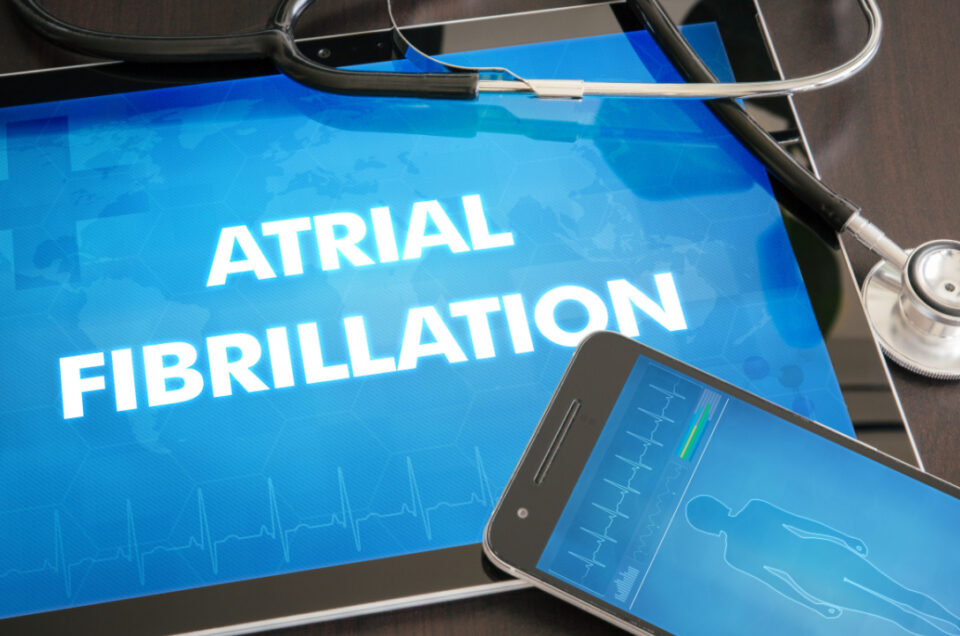




Page21 of 27
-

Featured Articles
- Frontier X2 vs Smart Ring: Which Wellness Tracker Knows...
 November 28, 2025
 - The ROI of Investing in Frontier X2 With HSA/FSA
 November 21, 2025
 - PVCs: Everything you need to know
 July 24, 2025
-
JOIN OUR NEWSLETTER
Get the latest articles, tips, offers & other exclusive content from Fourth Frontier.
