

get lasix online https://discoveryhealthmd.com/wp-content/uploads/2025/01/lasix.html
The American Heart Association has updated its checklist for measuring cardiovascular health, now called Life’s Essential 8™, to include healthy sleep as an essential factor for optimal cardiovascular health. The new sleep metric recommends 7-9 hours of sleep per night for optimal cardiovascular health in adults. Overall, the American Heart Association emphasises the importance of getting sufficient, high-quality sleep for maintaining heart health. An observational study (Ref.Link) identified three different groups of people with distinct patterns of sleep and cardiovascular health. This highlights the importance of considering sleep in studies of cardiovascular health and disease. These groups showed that the relationship between sleep duration and optimal cardiovascular health is complicated, and there are subgroups where sleep duration and optimal cardiovascular health do not align. The figure below (from the same study) illustrates the phenogroups and complex relationship.

Sleep and Heart Health: What The Research Says
According to a report from the Columbia University Medical Center, sleep is important for maintaining heart health. Lack of sleep or poor quality sleep has been linked to an increased risk of developing heart disease, sleep disorders, a heart attack, or a stroke. On the other hand, getting sufficient, high-quality sleep may help to reduce the risk of developing heart disease. According to the Centers for Disease Control and Prevention (CDC), sleep is an important factor in maintaining healthy blood pressure. Lack of sleep or poor quality sleep can lead to high blood pressure, and high blood pressure can in turn interfere with sleep. Here are a few key points from the CDC about the link between sleep and blood pressure:
- Adults should aim for 7 or more hours of sleep per night.
- Lack of sleep or poor quality sleep can lead to high blood pressure.
- High blood pressure can interfere with sleep, leading to a vicious cycle.
- Sleep problems, such as insomnia and sleep apnea, can be treated to help improve blood pressure control.
- Making lifestyle changes, such as reducing stress, avoiding caffeine and alcohol before bed, and maintaining a regular sleep schedule can all help to improve your sleep and blood pressure control.
Overall, the CDC emphasises the importance of getting sufficient, high-quality sleep in maintaining healthy blood pressure. If you are having trouble sleeping or have been diagnosed with high blood pressure, it may be a good idea to speak with a healthcare provider about treatment options.
How To Sleep Well For Improved Heart Health?
Adequate sleep is essential for overall physical and mental health, and has been linked to a lower risk of various health conditions, including heart disease. We have outlined a few tips to help you sleep well to enhance your heart health.
- Stick to a regular sleep schedule by going to bed and waking up at the same time every day. This helps regulate your body’s natural sleep-wake cycle.
- Make your bedroom a comfortable and inviting place to sleep. Keep the temperature cool, the lights low, and the noise level down.
- Avoid screens (e.g. TVs, computers, smartphones) for at least an hour before bed, as the blue light they emit can disrupt your natural sleep patterns.
- Avoid caffeine, alcohol, and heavy meals close to bedtime. These can all interfere with your ability to fall and stay asleep.
- Establish a relaxing bedtime routine, such as reading a book or taking a warm bath.
- If you have trouble falling asleep or staying asleep, try relaxation techniques such as deep breathing, progressive muscle relaxation, or mindfulness meditation.
Which Sleep Related Conditions Impact Heart Health?
There are several sleep conditions that have been linked to an increased risk of heart disease. These include:
- Insomnia: This is a sleep disorder characterised by difficulty falling asleep, staying asleep, or both. People with insomnia may have difficulty getting enough sleep to feel rested and alert during the day. Insomnia has been linked to an increased risk of heart disease.
- Sleep apnea: Repeated interruptions in breathing during sleep indicates sleep apnea. It can lead to fragmented sleep and a lack of deep sleep, and increases the risk of heart disease.
- Restless leg syndrome (RLS): If you have an overwhelming urge to move your legs, often accompanied by uncomfortable sensations, you might be suffering from Restless leg syndrome. It can make it difficult to fall and stay asleep, thereby increasing the risk of heart disease.
- Shift work sleep disorder: This is a sleep disorder that affects people who work non-traditional hours, such as overnight or rotating shifts. It can be difficult for the body to adjust to these irregular schedules, which may lead to sleep deprivation and an increased risk of heart disease.
It’s important to address any sleep conditions you may have in order to improve your sleep and reduce the risk of heart disease and other health problems. If you think you may have a sleep disorder, we recommend that you take a sleep test and monitor your heart health, and get real-time feedback with a heart rate monitor.
Finally, pair your new knowledge of sleep and it’s impact on your cardiovascular health with the use of a heart monitoring device to know exactly how you’re impacting your heart. Purchase the revolutionary Frontier X2 and be on your way to a healthier tomorrow!
Frequently Asked Questions
How much sleep is good for your heart?
The American Heart Association recommends that adults aim for 7-9 hours of sleep per night. Some studies have suggested that people who get less than 6 hours of sleep per night may be at increased risk for cardiovascular disease. It’s worth noting that the optimal amount of sleep can vary from person to person, so it’s important to pay attention to your own body and how you feel after different amounts of sleep.
Which method of sleeping is best for the heart?
There is no known “best” way to sleep that is specifically recommended for heart health by doctors. It is generally recommended to sleep in a comfortable position that allows you to get a good night’s sleep. Some people may find that sleeping on their back is the most comfortable and allows them to get the best sleep, while others may prefer to sleep on their side or stomach.
Does poor quality or insufficient sleep cause heart problems?
Getting sufficient sleep and maintaining good sleep hygiene (practices that promote good sleep) may help to reduce the risk of heart failure. People with heart failure may experience disrupted sleep and may wake up feeling tired and unrefreshed. This can be caused by a variety of factors, including difficulty in breathing while lying down, coughing, and discomfort or pain.
Other Heart Health Topics To Explore:
AFib Risk Factors | Low Carb Diet | Heart Palpitations After Eating | Paroxysmal Atrial Fibrillation | Persistent Atrial Fibrillation | Arrhythmia Causes | Aquatic Exercise for Heart Health | Yoga for Heart Health | Silent heart attack | Stress Test for Heart
Frontier X2:
ECG Heart Rate Monitor in USA | Heart Rate Monitor Device in India | Best Heart Rate Monitor UK
For many, bedtime becomes whatever time they can fall asleep. However, research suggests that there is a ‘best bedtime’ for your heart health. New research (Ref Link) suggests that if you want to protect your heart, you should go to bed between 10 and 11 p.m. They claim that the best bedtime coincides with circadian rhythms and daylight exposure.
There is no one-size-fits-all answer to this question as the best bedtime can vary depending on a number of factors, including age, lifestyle, and individual sleep needs. That being said, research suggests that adults should aim for 7-9 hours of sleep per night to support their overall health and well-being.
What Is The Best Bedtime for Heart Health?
According to research, those who fall asleep at midnight or later have a 25% higher risk of cardiovascular disease. For those who begin their slumber between 11:00 p.m. and 11:59 p.m., there is a 12% greater risk of cardiovascular disease. Those who fall asleep before 10:00 p.m. have a 24% increased risk of cardiovascular disease.
Over 88,000 participants, aged 43 to 79, participated in the study that showed that the ‘golden hour’ to go to sleep for heart health was between 10pm and 11 pm. Over the course of seven days their bedtime and waking time were recorded using a device (tracker). The researchers then monitored the participants for an average of 5.7 years for heart-related issues, such as heart attack and heart failure. The researchers discovered that the association between sleep onset and cardiovascular risk was stronger among women.
Bedtime Or Sleep Quality – What Is More Important?
According to the Centers for Disease Control and Prevention (CDC), people who get less than 7 hours of sleep per night are at an increased risk of developing cardiovascular disease, high blood pressure, stroke, type 2 diabetes, and obesity. Many studies have shown that a lack of sleep is a risk factor for not just these, but many other health conditions too. While there is not yet a definitive answer to the question of a perfect bedtime for heart health, research suggests that sleep timing and basic sleep hygiene may be important factors to consider. However, it is important to note that optimal sleep timing may vary for some people, especially those who are “morning larks” or “night owls.” Further research is needed to fully understand the relationship between sleep timing and heart health.
5 Tips To Sleep Better Night and Protect Your Heart :
- Establish a consistent bedtime routine: A consistent bedtime routine can help you relax and wind down before sleep, which can improve your sleep quality.
- Make your sleeping environment conducive to sleep: This may include keeping your bedroom cool, dark, and quiet, and using a comfortable mattress and pillows.
- Avoid screens before bedtime: The blue light emitted by screens can disrupt the production of melatonin, a hormone that helps regulate sleep. Avoiding screens for at least an hour before bedtime can help improve sleep quality.
- Avoid caffeine and alcohol before bedtime: Caffeine and alcohol can interfere with sleep, so it’s best to avoid them in the hours leading up to bedtime.
- Exercise regularly: Regular physical activity can help improve sleep quality and reduce the risk of sleep problems. Just be sure to finish your workouts a few hours before bedtime to allow your body time to wind down.
Finally, pair your knowledge of sleep and its impact on heart health with the use of a heart monitoring device to know exactly how you’re impacting your heart. Purchase the revolutionary Frontier X2 and be on your way to a healthier tomorrow!
Frequently Asked Questions :
What time should you go to bed to avoid heart complications?
The ideal time to go to bed is between 10:00 pm to 11:00 pm. The risk of a heart attack is greatest for those who go to bed after midnight.
What relaxation techniques can you practise for sleep?
Techniques such as deep breathing, progressive muscle relaxation, and meditation can help calm both the mind and body, subsequently improving sleep quality.
What should you do if you have trouble sleeping?
If you’re still having sleep problems after trying all the techniques, it may be a good idea to speak with a healthcare professional for further evaluation and guidance on sleep issues. They can help identify any underlying causes of your sleep problems and recommend appropriate treatment options.
Other Heart Health Topics To Explore :
Stress Test For Heart | Menopause and Heart Palpitations | Running Heart Rate | Effect of Mental Stress on Heart | Increase Heart Rate | Heart Arrhythmia | Heart Palpitations | Running Heart Rate Zones | Low Heart Rate | Heart Healthy Diet
Frontier X2:
ECG Heart Rate Monitor in USA | Heart Rate Monitor Device in India | Best Heart Rate Monitor UK
The vagus nerve is the largest autonomic nerve, innervating nearly all of the body’s organs. Innervation is the process of supplying nerves to other organs or parts of the body. The vagus nerve stimulates the parasympathetic nervous system and reduces stress by elevating levels of both oxytocin and acetylcholine (the calming neurotransmitter). This nerve is a long cranial nerve that extends from the brainstem to the abdomen. It plays a key role in regulating one’s heart rate and blood pressure, and has a strong influence on the parasympathetic nervous system, which helps regulate the body’s rest and digest functions. Refer to the diagram below for the basic anatomy and functions of the vagus nerve.
Does the vagus nerve affect HRV?
The vagus nerve is a key component of the parasympathetic nervous system, and it plays an important role in controlling HRV. When the vagus nerve is stimulated, it sends signals to the heart to slow down and relax, which therein leads to an increase in HRV. Conversely, when the vagus nerve is not functioning properly, or is inhibited, HRV tends to be low.
Can you stimulate the vagus nerve to lower your heart rate and improve HRV?
In short, yes. Increasing vagal tone activates the parasympathetic nervous system, and a higher vagal tone allows the body to relax more quickly after stress. So, how does one achieve this?
- Practise deep breathing exercises: Deep, slow breaths can stimulate the vagus nerve and improve HRV. The vagus nerve is responsible for controlling the body’s “rest and digest” functions, and one way it does this is by sending signals to the heart to slow down and relax. When you take deep, slow breaths, you are activating the vagus nerve and increasing its activity. This can lead to an increase in vagal tone, which can in turn slow down your heart rate and improve heart rate variability (HRV). There are several deep breathing techniques you can try to stimulate the vagus nerve and lower your heart rate. One such technique is called Diaphragmatic Breathing, or belly breathing.
- Engage in regular physical activity: Exercise can stimulate the vagus nerve and increase its activity, which can lead to an increase in HRV. The vagus nerve is also stimulated as your exercise increases blood flow to the brain.
- Get enough sleep: Chronic stress and anxiety can inhibit the vagus nerve and decrease heart rate variability (HRV). Adequate sleep has been shown to reduce stress and anxiety levels, which can improve HRV. When you’re asleep, the body releases neurotransmitters and hormones that can stimulate the vagus nerve and improve HRV.
- Eat a healthy diet: A healthy diet that is rich in nutrients can help support the body’s overall health and well-being. This, in turn, supports the vagus nerve and improves HRV.
- Consider taking supplements: Omega-3 fatty acids are a type of healthy fat that have been shown to help stimulate the vagus nerve and improve HRV. Foods that are rich in omega-3s include fatty fish, nuts, and seeds.
Other research backed ways to stimulate the vagus nerve and improve heart rate variability are:
- Engage in “green exercise” like walking in nature: This can stimulate the parasympathetic nervous system and improve HRV both immediately after the activity and once you are asleep. (Ref.Link)
- Spend time with humans or animals: This can release oxytocin, stimulate the vagus nerve, and improve HRV.
- Try yoga poses that involve placing your hands above your head: This stimulates blood pressure sensors in the neck and chest, thereby improving your vagal tone and HRV, and even helping alleviate symptoms of depression.
- Support gut health with healthy bacteria and a diet rich in probiotics: This can help release GABA, a neurotransmitter that activates the vagus nerve.
Finally, both your HRV and Heart Rate are important metrics that help you understand the functioning of your heart. Purchase the revolutionary Frontier X2 smart heart monitor and get accurate data for these and many more metrics that allow you to stay on top of your heart health at all times!
Frequently Asked Questions:
How can I stimulate my vagus nerve naturally?
One of the easiest and most effective ways of stimulating vagus nerve is through slow, deep breathing. Other natural methods include walking outdoors, taking cold water baths, and drinking more water.
What are the benefits of vagus nerve stimulation?
Vagus nerve stimulation activates the parasympathetic system (rest and digest mode). This decreases the heart rate and improves HRV.
How can I measure my HRV?
Many wearable devices, such as chest strap heart monitors and smartwatches, have built-in HRV sensors that can measure HRV throughout the day. It’s important to keep in mind that the accuracy of HRV measurements can vary depending on the method used.
What can affect the vagus nerve?
Several factors can affect the vagus nerve, including stress, anxiety, physical activity, sleep, and diet.
Can the vagus nerve be damaged?
Yes, the vagus nerve can be damaged due to certain medical conditions or as a result of medical procedures. Damage to the vagus nerve can result in a range of symptoms, including difficulty swallowing, hoarseness, and changes in heart rate and blood pressure.
Other Heart Health Options to Explore:
Importance of Heart Variability | Increase Your Endurance | Heart Rate For Women | Continuous Heart Rate while Cycling | Persistent AFib | Paroxysmal Atrial Fibrillation | Sleep Study and Heart Health | Stress Test For Heart | Arrhythmia Causes | Benefits of Aquatic Exercise
Frontier X2:
Best Heart Wearable Monitor in USA | Chest Strap ECG Monitor in India | ECG Heart Rate Monitor in UK
There is a widespread phenomenon of insufficient sleep in developed countries. People typically sleep for an average of just 6.8 hours per night, 1.5 hours less than a century ago. In the past, the impact of sleep deprivation on our bodies was not well understood. However, recent research has shown that sleep deprivation is linked to hypertension (high blood pressure), coronary heart disease (CHD), and diabetes mellitus (DM). The chart below details the relationships between sleep deprivation and hypertension, diabetes mellitus, and coronary heart disease.

There is a growing body of research indicating that sleep is important for heart health. A sleep study can provide important information about the link between sleep and heart health by monitoring physiological parameters such as heart rate and blood pressure. This information can be used to identify any potential issues with heart health, such as arrhythmias (irregular heartbeats) or hypertension (high blood pressure). A study found that people who sleep fewer than six hours per night are at higher risk of developing cardiovascular disease. Another study published in the American Heart Association’s journal found that people who suffer from insomnia are at higher risk of developing high blood pressure, a major risk factor for heart disease.
Now that we have established the connection between sleep and heart health, let us try to understand what a sleep study is and how it can help detect heart health issues.
How Does A Sleep Study Help Analyse Your Heart Health?
During a sleep study a variety of physiological parameters are monitored, including heart rate and blood pressure. In addition, the data collected during the sleep study can be used to diagnose sleep disorders, such as sleep apnea, that have been linked to heart health problems. Sleep apnea is a disorder in which a person’s breathing is briefly and repeatedly interrupted during sleep, and has been linked to an increased risk of heart disease. By identifying and treating sleep disorders, a sleep study can help improve your heart health.
What Can You Expect In A Sleep Study?
A sleep study, also known as a polysomnogram, is a test that is used to assess sleep patterns and identify any problems that may be affecting sleep. The test is usually conducted in a sleep laboratory or a hospital, and involves the monitoring of several physiological parameters while a person sleeps. These parameters may include brain waves, eye movements, muscle activity, heart rate, and breathing. The data collected during the sleep study is used to diagnose sleep disorders, such as insomnia, sleep apnea, and restless leg syndrome, and to develop treatment plans. Sleep studies are usually conducted overnight, and are likely to require the person being tested to stay overnight in the sleep laboratory or hospital.
Why Is A Sleep Study An Essential Test Today?
In the United States, chronic sleep loss is becoming increasingly common and severe. This is mainly due to very heavy work schedules paired with negative post work habits like those based on excessive screen time and social media use. Each new generation of devices has a brighter screen that emits more blue light, which can disrupt the body’s natural sleep-wake cycle and cause sleep problems. Apart from that, sleep disorders, such as insomnia and sleep apnea, are common and can have serious consequences for physical and mental health. A sleep study can help diagnose these disorders and provide guidance on treatment. Sleep disorders can be difficult to diagnose based on symptoms alone, as many of the symptoms overlap with other conditions. A sleep study can provide objective data on sleep patterns to help accurately diagnose sleep disorders.
In addition to a sleep study, you should consider using the Frontier X2 smart heart monitor to capture high-quality ECG continuously on your chest through activities ranging from sleeping to working out!
Frequently Asked Questions :
How does a sleep study work?
A polysomnogram is a type of sleep study that is used to assess sleep patterns and identify any problems that may be affecting sleep. During the polysomnogram, a technologist will attach sensors to the person’s body to monitor certain physiological parameters such as brain waves, eye movements, muscle activity, heart rate, and breathing.
What does a sleep study show?
The data collected during a sleep study can show a variety of things including: stages of sleep, sleep patterns, breathing patterns, as well as other physiological parameters such as heart rate and muscle activity. Each of these aid in diagnosing sleep disorders and identifying potential health problems.
What if I can’t sleep during a sleep study?
It is not uncommon for people to have difficulty sleeping during a sleep study. It definitely is important to try to get as much sleep as possible during the sleep study, as the data collected during the test will be used to diagnose any sleep disorders and develop a treatment plan. If you are having trouble sleeping, speak with the technologist who is monitoring the sleep study. They may be able to make adjustments to the sensors or offer other suggestions to help you sleep better.
How long does a sleep study take?
The length of the study will depend on the specific sleep disorder being tested and the individual needs of the person being tested. In general, a sleep study will last for at least six hours, but it may last up to eight hours or longer.
Other Heart Health Topics To Explore :
Stress Test For Heart | Meditation To Reduce Arrhythmia | Arrhythmia Causes | Aquatic Exercise for Heart Health | Smoking and Heart Health | Low Carb Diet | Yoga For Healthy Heart | Heart Palpitations After Eating | Stretching Exercise For Heart Health | Heart Palpitation After Covid
Frontier X2 :
Heart Rate Monitor USA | Price of ECG Machine in India | ECG Heart Monitor
Heart rate variability (HRV) is a measure of the variation in the time interval between successive heartbeats. It is typically measured in milliseconds, and it reflects the balance between the sympathetic and parasympathetic branches of the autonomic nervous system. The sympathetic nervous system is responsible for the “fight or flight” response, while the parasympathetic nervous system is responsible for the “rest and digest” response. High HRV is typically associated with good physical and mental health, while low HRV is associated with stress, anxiety, and other negative health outcomes.
HRV can be measured using a variety of techniques, including electrocardiography (ECG) or photoplethysmography (PPG). It is an important indicator of overall health and can be used to monitor the effects of various interventions, such as exercise and stress management techniques, on the body’s regulatory systems.
HRV and Autonomic Nervous System: What Is the Connection?
This variation between heartbeats is controlled by the Autonomic nervous system. The Autonomic system has two parts- Sympathetic and Parasympathetic system.
- Sympathetic system- This is when your “flight or fight” response comes in. This increases the heart rate in emergency situations and lowers HRV.
- Parasympathetic system-This balances out the sympathetic system and works in relaxation. This lowers the heart rate and blood pressure and increases HRV.
Health professionals consider HRV when diagnosing both Cardiovascular diseases and mental health issues.
Why is heart rate variability important?
High HRV is generally considered to be a marker of good physical and mental health as it reflects the body’s ability to adapt to various stressors while maintaining homeostasis. Conversely, low HRV is associated with a variety of negative health outcomes, including stress, anxiety, and cardiovascular disease. Heart rate variability (HRV) is important because it reflects the balance between the sympathetic and parasympathetic branches of the autonomic nervous system, which are responsible for regulating many of the body’s physiological functions.
How do you measure HRV?
There are different ways of measuring HRV:
- Electrocardiogram – In a hospital setting, HRV is usually measured using an Electrocardiogram (ECG). This is the most accurate way of measuring HRV and measures the electrical activity of the heart. However, this is not always convenient or possible.
- Smart watch: A smartwatch or fitness tracker that uses optical sensors to detect your heart rate is another option, though these may not be sensitive enough.
- Chest strap heart monitors: To enable users to continuously monitor their heart rate metrics with greater accurace, several companies offer wearable heart rate monitors.
A study (Ref. Link) revealed that chest straps often produce more accurate results than smartwatches or fitness trackers. Therefore, outside of hospital settings, chest straps heart monitors are the preferred method of measuring heart rate and HRV.
Good heart rate variability: Is there a specific number?
There is no specific “good” heart rate variability (HRV) number that applies to everyone. HRV is a measure of the variation in the time interval between successive heartbeats, and it is typically measured in milliseconds. It is influenced by a variety of factors, including age, gender, fitness level, and overall health.
In general, the normal range of HRV is considered to be between 10 and 50 milliseconds. However, this can vary significantly depending on the specific population being studied and the measurement technique being used. For example, HRV is typically lower in older individuals and in those who are less physically fit.
In general, higher HRV is generally considered to be a marker of good physical and mental health, while lower HRV is associated with a variety of negative health outcomes. In general, males have higher HRV numbers than females, younger people typically have higher values than older people, and elite athletes have higher values than most other people.
Factors such as age, gender, and fitness level should be taken into account when interpreting HRV values, and any concerns about HRV should be discussed with a healthcare provider. Understanding and measuring heart rate variability (HRV) can help you gain insight into your physical and emotional wellbeing. ECG is the most accurate method for measuring HRV, but it must be performed in a medical setting. Outside of a doctor’s office, the most reliable method is a chest strap, followed by heart-rate-detecting smartwatches worn on the wrist.
Therefore, using a smart heart monitor like the Frontier X2, which gives you both a continuous ECG and data on important metrics like HRV, is a great way to stay on top of your heart health. Purchase the device now and get ready for a healthier tomorrow!
Frequently Asked Questions :
Which is preferable, a high or low HRV?
Normal HRV varies between individuals. In general, lower HRV readings are correlated with poorer health.
What factors contribute to low HRV?
Low HRV is frequently associated with chronic stress and other diseases, such as heart disease and diabetes.
Should I be concerned about the variability of my heart rate?
In general, an abnormal heart rate variability does not constitute a medical emergency, but it may be indicative of current or future health problems. Your healthcare provider will offer advice on this matter.
Can HRV be used to predict health outcomes?
HRV has been shown to be a useful predictor of mortality in a variety of populations, including those with heart disease. It can also be used to monitor the effects of various interventions, such as exercise and stress management techniques, on the body’s regulatory systems. However, it is important to note that HRV should not be interpreted in isolation, but rather as part of a larger picture of overall health.
Other Heart Health Topics to Explore:
AFib Risk Factors | Heart Palpitations After Eating | Best Heart Rate Monitor | Running Heart Rate | Arrhythmia Causes | Aquatic Exercise for Heart Health | Yoga for Heart Health | Silent heart attack | Stress Test for Heart | Wearable Heart Monitor.
Frontier X2:
Smart Heart ECG Monitor in USA | ECG Machine Price in India | Best Heart Rate Monitor UK
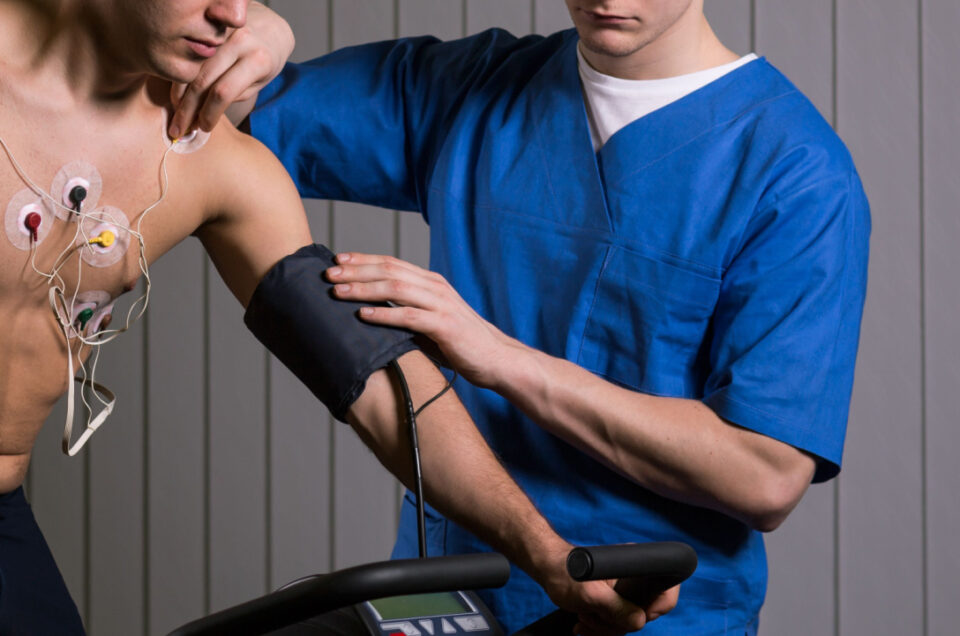
A stress test, also known as an exercise stress test or a treadmill test, is a diagnostic procedure used to evaluate how well your heart functions during physical activity. The test involves walking on a treadmill or using a stationary bike while your heart rate and blood pressure are monitored. The intensity of the exercise is gradually increased to increase your heart rate and blood pressure. Knowing how well your heart works during physical activity is vital for optimal health, and a stress test can give you insight into this. It’s also an important tool in diagnosing various cardiac conditions.
How does a Stress test (ref. link) work?
Electrocardiograms (ECGs) record the electrical rhythms of the heart while you walk on the treadmill. The doctor monitors your vital signs and also examines you for symptoms such as chest pain and fatigue. Abnormalities in blood pressure, heart rate, ECG, or alarming physical symptoms may indicate the presence of CAD (coronary artery disease) or plaque (fatty deposits) in arteries that block the flow of blood to the heart muscle.
What is a stress test used for?
A stress test is used to:
- To diagnose Coronary Artery Disease (CAD), a condition which occurs due to blockage of arteries because of plaque or fatty deposits.
- To diagnose Arrhythmias, a condition that causes irregular heart beats
- To determine your capacity for physical activity.
- To determine the efficacy of your treatment if you have already been diagnosed with heart disease.
- To indicate whether you are at risk for a heart attack or another severe heart condition.
What are the types of Stress tests?
All types of stress tests assess heart function by checking heart rate, blood pressure, electrical activity, oxygen levels. There are three primary types of stress tests, and they are are chosen based on the individual’s health condition and needs.
Exercise stress test:
- During an exercise stress test the doctor will assess the patient’s heart rate, blood pressure, breathing, and level of fatigue in response to varying levels of physical activity.
- Your doctor will attach electrodes to your chest and connect them to an ECG (Electrocardiogram).
- You will then be asked to walk on the treadmill starting slowly.
- The treadmill speed will gradually increase and may go into an incline.
- Your doctor will measure your recordings at each level.
- You will continue walking or riding until you reach a specified target heart rate.
- If you develop symptoms like chest pain, shortness of breath, dizziness, or fatigue, you may need to stop sooner. If the ECG indicates a problem with your heart, the test may also be terminated.
- The individual will exercise for 10 to 15 minutes but can request to stop at any time if they are feeling ill.
Stress test without exercise:
If a patient is unable to exercise, he or she may be prescribed medication to induce the same effect. In this test, they will attach electrodes to the patient’s chest and administer the medication through an IV line in their arm. The medication will increase heart rate and may cause similar side effects to exercise, such as flushing and shortness of breath.
Nuclear stress test:
- Known as a radionuclide scan, this procedure can provide a more comprehensive and accurate evaluation of the heart.
- While similar to the exercise stress test, the doctor will also inject a tracer dye into the patient’s arm to highlight the heart and blood flow on an image.
- Additionally, the dye will reveal areas of the heart where blood is not flowing properly, which indicates a blockage.
- The doctor will take two sets of images spanning 15–30 minutes each. They will take the images during exercise and during rest.
- The doctor compares how the heart functions in both normal conditions and under stress.
- This test is not suitable for pregnant women as the radiation may affect the foetus.
Why should you take a stress test?
A stress test may be recommended if you have symptoms of heart disease, such as chest pain or shortness of breath, or if you have risk factors for heart disease, such as high blood pressure, high cholesterol, or a family history of heart disease. The results of a stress test can help your doctor determine if you have any underlying heart problems, such as blockages in your coronary arteries or abnormalities in your heart rhythm. It can also help your doctor determine the appropriate treatment for any heart conditions you may have.
A physician may also recommend a stress test if you are :
- undergoing treatment for cardiovascular disease
- due for a surgery
- considering beginning an intensive exercise regimen
What are the risks of taking a Stress test?
Both Exercise test and Nuclear test are safe in most cases. However, they may cause adverse effects like a heart attack or an irregular heart rhythm in few patients. Statistics (Ref. Link) show that this happens 1 in 10,000 cases.
There are several situations in which a stress test may not be recommended or may need to be postponed:
- Acute illness: If you have a fever, acute respiratory infection, or other acute illness, your doctor may recommend postponing the stress test until you have recovered.
- Recent surgery or injury: If you have recently undergone surgery or sustained a significant injury, your doctor may recommend waiting until you have fully recovered before undergoing a stress test.
- Uncontrolled high blood pressure: If your blood pressure is significantly elevated, it may be unsafe to undergo a stress test. Your doctor may recommend treating your high blood pressure before proceeding with the test.
- Heart attack or unstable angina: If you have recently had a heart attack or are experiencing unstable angina (chest pain that occurs at rest or with minimal exertion), a stress test may not be appropriate.
- Certain medication: Some medication, such as beta blockers, can affect the results of a stress test. Your doctor may recommend adjusting your medication regimen or postponing the test until you have been off certain medications for a certain period of time.
Stress tests are important tools that help doctors determine whether someone has an underlying cardiac issue or if they are healthy enough for certain activities. The test itself involves walking on a treadmill while hooked up to an ECG machine, so it’s important to be aware of this before going into the appointment. Knowing what to expect from a stress test—and being prepared for it—can help make sure that you get accurate results from this important medical procedure.
Finally, the reason a stress test is helpful is because it captures the functioning of your heart through different activities, thereby allowing you to see how your cardiac function responds to said activities. Using a smart heart monitor allows you to gather this information for much larger durations of time, giving you more data to get a more accurate sense of your cardiac health. Purchase the revolutionary Frontier X2 with its continuous ECG feature, and get access to the most important metrics for your heart health!
Frequently Asked Questions:
How do I prepare for a stress test?
You will be walking on a treadmill for a stress test, so wear comfortable clothing and running shoes. You also need to stop smoking for at least 24 hours before the test. Talk your doctor a day before about all the medications you use.
What should I do during a stress test?
You will be asked to walk on a treadmill and the technician increases the speed every few minutes; the technician also increases the incline of the treadmill.
You may be breathing heavily and sweating, but if you begin to feel pain, you must immediately inform the technician. You should not continue the test if you feel any chest pain or dizziness.
What should I do after a stress test?
It’s normal to feel tired after a stress test, but if you experience chest pain, dizziness, or pain in your neck, jaw, or arm, you should report to the hospital immediately.
What are the benefits of a stress test?
Stress tests will help in assessing your heart condition and diagnosing heart problems like CAD, arrhythmias. It also helps in identifying the level of physical activity you are capable of.
Other Heart Health Topics To Explore:
Persistent AFib Causes | Paroxysmal Atrial Fibrillation | Meditation and Arhhythmia | Low Carb Diet | Yoga for Healthy Heart | Stretching Exercise for Heart Health | Silent Heart Attack Risks | Menopause and Heart Palpitations | Tips to Increase Your Endurance | Smart Heart Monitor
Frontier X2:
Smart Heart ECG Monitor in USA | ECG Machine Price in India | Best Heart Rate Monitor UK
An Arrhythmia is one of the common heart ailments and is characterized by your heart beating faster or slower compared to the norm. There are several different types of arrhythmias, including atrial fibrillation, supraventricular tachycardia, and ventricular tachycardia. Some people with arrhythmias may not experience any symptoms, while others may experience symptoms such as heart palpitations, dizziness, chest pain, and fainting. There are several factors that can increase the risk of developing arrhythmias, including high blood pressure, heart disease, and the use of certain medication.
Can Meditation Help With Arrhythmia?
Mediation is relaxing- it not only calms your mind but also benefits your heart. While there’s no sure-shot guarantee that meditating will treat Arrhythmia, it can certainly help you deal with it. Meditation reduces stress, improves your concentration, and connects you with your body. Simple breathing techniques can regularize your heartbeat and help you reduce tachycardia. Try relaxation and heart breathing, and most importantly listen to your body while meditating. Meditation, in general, has a lot of benefits, so guided meditation after consulting your doctor will help you deal with heart ailments.
Does mindfulness meditation help deal with Arrhythmia?
It’s important to remember that meditation is a personal practice, and everyone’s experience will be different. It may take some time to find a meditation technique that works best for you, so be patient and don’t get discouraged if you have difficulty getting started. It may be helpful to try different techniques and find a guided meditation or a class to help you get started. Several studies have shown that mindfulness meditation, in particular, may be effective in reducing the frequency and severity of arrhythmia episodes. Mindfulness meditation involves focusing on the present moment and being aware of one’s thoughts and feelings without judgment.
How to meditate for a healthy heart?
There are several ways to incorporate meditation into your daily routine to potentially benefit your heart health, here are a few tips to help you meditate for a healthy heart.
- Find a quiet, comfortable place where you can sit or lie down without being disturbed.
- Close your eyes and take a few deep breaths, focusing on the sensation of the air entering and leaving your body.
- Bring your attention to your breathing and try to let go of any distracting thoughts. If your mind wanders, gently redirect your attention back to your breathing.
- You can also try focusing on a mantra (a word or phrase) that you repeat to yourself, to help keep your mind focused.
- Continue this practice for 5-10 minutes, gradually increasing the length of your meditation sessions as you become more comfortable.
Are Arrhythmias Always Harmful?
Not all arrhythmias are harmful. In some cases, an arrhythmia may be benign and therefore not require treatment. However, some arrhythmias can be serious and potentially life-threatening, especially if they cause the heart to beat too fast or too slow, or if they interfere with the heart’s ability to pump blood effectively. In some cases, arrhythmia may require urgent medical attention, so it’s important to seek medical care as soon as possible if you are experiencing symptoms such as chest pain, shortness of breath, or fainting.
How Is Arrhythmia Diagnosed?
Arrhythmia is usually diagnosed through a combination of medical history, physical examination, and tests. Some common tests used to diagnose arrhythmia include:
- Electrocardiography (ECG): An ECG is a test that records the electrical activity of the heart using electrodes placed on the chest, arms, and legs. An ECG can show abnormal heart rhythms and help to determine the type of arrhythmia. For added protection you can purchase a heart rate monitor with an ECG feature – the Frontier X2 is a great choice.
- Holter monitoring: This is a continuous ECG monitoring test that records the heart’s activity over a period of 24 hours or longer. The patient wears a small portable device that records the heart’s activity during daily activities.
- Stress testing: A stress test involves exercising on a treadmill or stationary bike while your heart’s activity is monitored. The test is used to see how the heart responds to physical activity and can help to identify arrhythmias that occur during exercise.
- Echocardiography: This is a test that uses ultrasound to produce images of the heart. It can help to determine the cause of arrhythmia and assess the overall function of the heart.
- Electrophysiology study (EPS): An EPS is a specialized test that is used to diagnose arrhythmia. It involves inserting thin, flexible wires through a vein to the heart to record the heart’s electrical activity and thereby locate the source of the arrhythmia.
How Is Arrhythmia Treated?
Treatment for arrhythmia may vary depending on the type and severity of the arrhythmia, as well as the presence of any underlying health conditions. Some common treatments for arrhythmia include:
- Medication: Various medications can be used to treat arrhythmia, including beta blockers, calcium channel blockers, and anti-arrhythmic drugs. This medication can help to slow or regulate the heart rate, helping prevent an arrhythmia from occurring.
- Lifestyle changes: Making healthy lifestyle changes, such as quitting smoking, eating a healthy diet, and getting regular exercise, may help to manage arrhythmia and reduce the risk of arrhythmia episodes.
- Medical Procedures: In some cases, procedures such as catheter ablation or implantation of a pacemaker may be necessary to treat arrhythmia. Catheter ablation involves using a catheter to locate and destroy abnormal heart tissue that is causing the arrhythmia. A pacemaker is a small device that is implanted under the skin and helps to regulate the heart rate by delivering electrical impulses to the heart.
- Alternative therapies: Some people with arrhythmia may find relief with alternative therapies such as acupuncture or herbal remedies. However, it’s important to consult with a healthcare provider before starting any alternative therapy to ensure that it is safe and appropriate for you.
Finally, pair your knowledge of meditation with the use of a heart monitoring device to best respond to your heart condition. Purchase the revolutionary Frontier X2 and be on your way to a healthier tomorrow.
Frequently asked Questions :
What Is Arrhythmia?
Arrhythmia is one of the common heart ailments where your heart may beat faster or slower compared to others. An irregular heartbeat is known as Arrhythmia.
Can Meditation Help With Arrhythmia?
It cannot fully cure it, but adding guided meditation to your daily routine can help you reduce Arrhythmia.
Is Arrhythmia Serious?
Arrhythmias are mostly and harmless; however, in some cases, they can create severe complications by interfering with blood flow to your body.
Can You Live A Healthy Life With Arrhythmia?
If managed correctly with all the precautions in place, you can lead a healthy and active life with Arrhythmia.
Do You Need To Visit Your Doctor For Arrhythmia?
If you feel any symptoms, it’s always advisable to seek medical help.
Other Heart Health Topics To Explore:
Yoga for a Healthy Heart | Stretching Exercise for Heart Health | Persistent AFib | Atrial Fibrillation Episode | Paroxysmal Atrial Fibrillation | Types of Atrial Fibrillation | Heart Skips a Beat | Hypothyroidism Cause Heart Arrhythmias | Benefits for Aquatic Exercise for Heart | Smart Heart Rate Monitor
Frontier X2:
Smart Heart ECG Monitor in USA | ECG Machine Price in India | Best Heart Rate Monitor UK
Atrial fibrillation (AFib) is the leading cause of stroke and can increase the risk of heart failure, cardiac arrest, and other cardiovascular complications. It is also associated with an increased risk of mortality. As per estimates made by the CDC (Ref. Link) 12.1 million people in the United States will have AFib in 2030.
How to live with Persistent AFib?
Atrial fibrillation (AFib) is a type of abnormal heart rhythm that can be managed with the help of healthcare and lifestyle changes. If you have long-standing persistent AFib, which has lasted for more than a year, it is important to work with your healthcare provider to develop a plan to manage your condition and reduce the risk of complications. Here are some strategies that may be helpful for living with long-standing persistent AFib:
- Take medication as prescribed: Your healthcare provider may prescribe medication to help control your heart rhythm and prevent complications such as a stroke. It is important to take this medications as prescribed and report any adverse effects or concerns to your healthcare provider.
- Follow a healthy lifestyle: Eating a healthy diet, exercising regularly, and avoiding tobacco and alcohol consumption can help to improve heart health and manage persistent AFib.
- Manage stress: Stress can trigger AFib episodes or make them more frequent. Strategies such as deep breathing, meditation, and exercise can help to manage stress and reduce the risk of AFib.
- Get regular medical checkups: It is important to see your healthcare provider regularly to monitor your heart health and AFib. Your healthcare provider may recommend tests such as an electrocardiogram (ECG) to check your heart rhythm and determine the need for any changes to your treatment plan.
- Find support: Living with a chronic condition can be challenging. Seeking support from friends, family, or a support group can be helpful in managing the emotional and practical aspects of living with long-standing persistent AFib.
What is the difference between Paroxysmal, Persistent, and Chronic AFib?
Paroxysmal AFib is characterised by episodes of AFib that come and go. These episodes can last from a few minutes to a few days, and can be triggered by factors such as stress, caffeine, alcohol, or exercise. Paroxysmal AFib is often self-terminating, meaning that it can stop on its own without treatment.
Persistent AFib is a continuous or sustained episode of AFib that lasts for more than seven days. Medical intervention may be required to return the heart to a normal rhythm. Persistent AFib is more serious than paroxysmal AF because it increases the risk of stroke and other complications.
Chronic AFib is a term that is sometimes used to describe AFib that has been present for a long time, typically more than a year.
It is important to note that the terms “chronic” and “persistent” are not interchangeable. Persistent AFib refers to a specific type of AFib that is continuous or sustained for more than seven days, while chronic AFib refers to AFib that has simply been present for a long time.
How do doctors determine when a patient has long standing Atrial Fibrillation?
A doctor will do a physical examination and ask questions about your symptoms to diagnose Persistent Atrial Fibrillation. Since paroxysmal Afib frequently progresses to Persistent Afib, your doctor may already be checking you for it regularly.
Even if your heart rhythm is normal during your appointment, your doctor may recommend a Holter or mobile heart monitor. These monitors can keep tabs on your heart rate for a full day. Arrhythmias can also be detected with the use of fitness tracker data. You can use a chest strap ECG machine or heart rate monitor to record your heart’s electrical activity easily.
Who is susceptible to long-standing persistent AFib?
AFib can appear in anyone at any age. Having AFib is possible if you:
- Have high blood pressure and are over 60
- Have a cardiac condition or heart-related structural issue
- Suffer from heart disease, having had sinus problems operation
- Have a history of AFib in your family, and are a binge drinker
- Develop sleep apnea
- Have long-term illnesses, including asthma, diabetes, or hyperthyroidism
What are the risk factors for long-standing persistent AFib?
1. Medication
A higher risk of developing AFib has been linked to high doses of steroids for asthma or another illness. This type of treatment for other conditions could bring on an episode if your risk is already elevated. Over-the-counter cold remedies containing caffeine or other chemicals that increase heart rate can have the same effect.
2. Obesity, Diabetes, And Metabolic Syndrome
These disorders are associated with an increased risk of hypertension and may hinder the heart’s ability to pump blood. They increase the likelihood of Atrial Fibrillation and also cause other bodily abnormalities.
3. Atrial Tissue Injuries
Injuries to the atrial tissue that result from a blocked artery are the leading cause of Atrial Fibrillation. However, AFib does not typically cause heart attacks unless the pulse rate is extremely rapid.
4. Genes
Atrial Fibrillation runs in families. The genes you take from your parents may have contributed to your predisposition; if a member of your immediate family has it or has had it in the past, your risk increases.
It can be more challenging to treat Persistent AFib if it goes undetected for a lengthy period. Persistent AFib, if left untreated, might become permanent AFib. Stroke, heart attack, and death are all more likely when you have AFib, regardless of its severity or duration.
Complications from AFib can be avoided with proper management and treatment. It’s important to discuss treatment options with your doctor if you’ve been diagnosed with persistent AFib. The primary goal at this stage is to prevent the situation from worsening to a more permanent one.
Finally, as mentioned earlier, using a smart heart monitor allows you to constantly keep tabs on the functioning of your heart. Purchase the revolutionary Frontier X2 heart monitoring device, and stay on top of your heart health at all times!
Frequently Asked Questions :
Which type of fibrillation is the most serious?
Although ventricular fibrillation is not as prevalent as AFib, it is much more dangerous. In the United States, it is the primary cause of death due to cardiac arrest.
What is the best exercise to engage in if I have Atrial Fibrillation?
After you’ve warmed up, you may get a solid workout without overtaxing your heart by doing power walking, jogging, or trekking. Workouts, including cardio equipment such as a stationary bike, elliptical trainer, or treadmill, are also acceptable for those with AFib.
What is considered a long episode of AFib?
To be classified as persistent AFib, an episode must last longer than seven days. Without medical intervention, it will continue. Drugs or electric shock therapy may be used to restore normal rhythm. AFib may be chronic or permanent and last for a very long time.
Other Heart Health Topics To Explore:
AFib Risk Factors | | Heart Palpitations After Eating | Best Heart Rate Monitor | Running Heart Rate | Arrhythmia Causes | Aquatic Exercise for Heart Health | Yoga for Heart Health | Silent heart attack | Stress Test for Heart | Wearable Heart Monitor
Frontier X2:
Smart Heart ECG Monitor in USA | ECG Machine Price in India | Best Heart Rate Monitor UK
Atrial fibrillation (AFib) is a type of irregular heartbeat that can cause symptoms such as heart palpitations, shortness of breath, and fatigue. AFib can sometimes be resolved naturally, but Persistent AFib is a type of AFib that does not go away on its own, requiring treatment to restore a normal heart rhythm. Persistent AFib can be managed with medication, medical procedures, or surgery, depending on both the severity and the underlying causes of the condition.
It is important for individuals with persistent AFib to work with their healthcare provider to develop a treatment plan and manage their condition. This may include lifestyle changes such as having a healthy diet, exercising regularly, and avoiding triggers such as alcohol and caffeine.
What is the difference between Paroxysmal and Persistent atrial fibrillation?
Atrial fibrillation (AFib) is a type of abnormal heart rhythm in which the atria (the upper chambers of the heart) beat irregularly and rapidly.
It can occur in two forms: paroxysmal and persistent.
Paroxysmal AFib is characterized by episodes of AFib that come and go. These episodes can last from a few minutes to a few days, and can be triggered by factors such as stress, caffeine, alcohol, or exercise. Paroxysmal AFib is often self-terminating, meaning that it can stop on its own without treatment.
Persistent AFib, on the other hand, is a continuous or sustained episode of AFib that lasts for more than seven days. It may require medical intervention to return the heart to a normal rhythm. Persistent AFib is more serious than paroxysmal AFib because it increases the risk of stroke and other complications.
In general, the treatment and management of paroxysmal and persistent AFib can be similar, but persistent AFib may require more aggressive treatment and a longer-term management plan.
What are the causes of Persistent Atrial Fibrillation?
There are several potential causes of persistent AFib, including:
- Coronary artery disease: This is a condition in which the arteries that supply blood to the heart become narrowed or blocked due to the accumulation of plaque. Coronary artery disease can lead to persistent AFib.
- High blood pressure: High blood pressure (hypertension) can damage the heart and increase the risk of AFib.
- Heart problems: Certain heart conditions, such as valvular heart disease (problems with the heart valves) or cardiomyopathy (disease of the heart muscle), can lead to persistent AFib.
- Thyroid disease: Abnormalities in the thyroid gland (a gland in the neck that produces hormones) can cause persistent AFib.
- Pulmonary embolism: This is a serious condition in which a blood clot travels to the lungs and blocks blood flow. A Pulmonary embolism can cause persistent AFib.
- Alcohol consumption: Heavy alcohol consumption can increase the risk of persistent AFib.
- Other risk factors: Other risk factors for persistent AFib include advancing age, family history of AFib, and certain medication.
How is Persistent AFib diagnosed?
Many people with AFib show no symptoms at all, making diagnosis challenging. As a result, most people with AFib don’t learn they have it until they go in for a checkup for something else.
However, those exhibiting any concerning symptoms should consult a medical professional for an official diagnosis. Either way, a doctor will inquire about the patient’s health background and prescribe various diagnostic procedures to this end.
Doctors can evaluate the progression of paroxysmal Atrial Fibrillation if you’ve previously been diagnosed with it. Early stages of AFib can be diagnosed with an ECG, but more advanced or persistent AFib requires additional testing.
The following are some suggestions your physician may make:
- Checking blood levels for underlying conditions that may be contributing to the development of AFib, such as thyroid problems
- The use of chest X-rays to examine your heart’s chambers and valves, and to keep tabs on your heart’s health in general
- Using sound waves – an echocardiogram can detect any damage the heart has sustained.
- Reading your heart rate and rhythm following exercise is known as a “stress test.”
Persistent AFib treatment
When you have persistent AFib, your heart rhythm is so severely abnormal that it cannot be restored without medical intervention. In addition, blood clots, which can cause cardiac arrest or a stroke, become more likely. The goal of treating persistent AFib is to reduce the likelihood of life-threatening blood clots and restore a regular heartbeat. Treatment for persistent AFib may include medication to control your heart rate, and blood thinners to prevent blood clots. In some cases, a procedure called cardioversion may be used to shock the heart and restore a normal rhythm. In more severe cases, surgery such as a maze procedure or ablation may be necessary to correct the underlying cause of the AFib.
Medication
Medication that may be used to treat persistent AF:
- Antiarrhythmic drugs: This medication helps restore a normal heart rhythm and prevent AF episodes. Examples include beta blockers, calcium channel blockers, and flecainide.
- Blood thinners: This medication, such as warfarin or dabigatran, helps prevent blood clots that can lead to stroke in people with AF.
- Rate control medications: This medication (beta blockers or calcium channel blockers) helps slow down the heart rate and control symptoms during AF episodes.
- Cardioversion: This procedure involves the use of electrical shocks or medication to restore a normal heart rhythm. It is usually performed in cases of persistent AF that do not respond to other treatments.
Other Methods
Catheter ablation is a surgical treatment that has shown promise in stabilising the heart rhythm in patients with chronic AFib. These procedures necessitate opening the chest to reach the hyperactive cardiac tissue. In addition to medicine or surgery, your doctor may suggest a change in your way of life to help with your condition.
These changes include:
- Diet changes
- Stress management
- The management of chronic illnesses
- Exercise
It can be more challenging to treat persistent AFib if it is not detected for an extended period of time. Permanent AFib might develop if persistent AFib is not treated.
Accurate management and treatment of AFib is the best defence against its potential side effects. Talk to your doctor about your treatment choices if you have been diagnosed with persistent AFib.
Finally, using a smart heart monitor allows you to constantly keep tabs on the functioning of your heart. Purchase the revolutionary Frontier X2 heart monitoring device, and stay on top of your heart health at all times!
Frequently Asked Questions on Persistent AFib :
How can I lower my chances of developing chronic Atrial Fibrillation?
Persistent Atrial Fibrillation can be managed with therapy, but lifestyle adjustments are often helpful. You may be recommended to avoid or modify certain activities if they cause your heart rate to become abnormally fast or irregular.
What should I do if I have persistent Atrial Fibrillation?
People with persistent Atrial Fibrillation can lead normal, active lives with proper treatment and regular management. However, the longer persistent Afib goes untreated, the more difficult it becomes to manage.
When should I seek medical attention for persistent Afib?
If you experience persistent Atrial Fibrillation symptoms, you must see your doctor right away. Heart palpitations and difficulty breathing are examples of these symptoms.
Is it necessary for me to restrict or limit my travel?
The heart may be affected by high altitudes and extreme temperatures. You should also be worried about your ability to drive safely or compete in sports.
How do I look after myself if I have Persistent AFib?
Follow your healthcare provider’s instructions to manage problems and treat symptoms of persistent Afib. Your provider can collaborate with you to create a personalised care plan to improve your health.
Other Heart Health Topics To Explore:
AFib Episodes | Hypothyroidism and Heart Arrhythmias | Arrhythmia Causes | Paroxysmal Atrial Fibrillation | Aquatic Exercise for Heart Health | Atrial Fibrillation and Exercise | Types of Atrial Fibrillation | Best Devices To Monitor Heart Health | Low Carb Diet | Heart Rate Monitor
Frontier X2:
Smart Heart ECG Monitor in USA | ECG Machine Price in India | Best Heart Rate Monitor UK
Atrial fibrillation (AFib) is a type of irregular heartbeat that can cause a wide range of symptoms. Some people with AFib may not experience any symptoms at all, while others may have symptoms that come and go. Some common symptoms of AFib include:
- Heart palpitations: This is when you feel like your heart is racing, pounding, or fluttering.
- Chest discomfort: This can include chest pain, pressure, or tightness.
- Shortness of breath: This may be accompanied by feelings of fatigue or tiredness.
- Lightheadedness or dizziness: These symptoms may be caused by the heart’s inability to pump enough blood to the body.
In severe cases, AFib can lead to more serious complications such as stroke or heart failure. If you are experiencing any of these symptoms, or are concerned about your heart health, it is important to speak with a healthcare provider for proper diagnosis and treatment.
What Happens During An Episode of Atrial Fibrillation?
Atrial fibrillation (AFib) is a type of irregular heartbeat that occurs when the atria, the upper chambers of the heart, beat in a disorganized and rapid way. This can cause the heart to pump less efficiently and can lead to a range of symptoms. During an episode of AFib, the atria beat very rapidly, often at rates of over 100 beats per minute. This rapid and irregular contraction can cause the atria to quiver or “fibrillate,” which is where the term “atrial fibrillation” comes from.
Can AFib Impact People At Any Age?
AFib can occur at any age and is more common in people who possess certain risk factors such as high blood pressure, diabetes, and heart disease. It can also be triggered by certain medication, alcohol, caffeine, or other factors such as stress or extreme physical activity. If you have AFib, it is important to speak with a healthcare provider about the best treatment options for your specific situation. Treatment may include medication to regulate the heartbeat, lifestyle changes to reduce triggers, or procedures such as ablation to correct the underlying cause of AFib.
What Are the Other Factors That Impact AFib Episodes?
According to the Centers for Disease Control and Prevention (Ref. Link) AFib affects between 2.7 and 6.1 million Americans. The research also suggests that these numbers are likely to go up significantly in the coming years. According to studies, paroxysmal AFib affects about 40% of patients who have AFib (Ref. Link). However, because it can be challenging to diagnose and categorize different kinds of AFib, estimates vary greatly. A significant risk factor for AFib is age. Older persons are more likely to get AFib. Paroxysmal AFib, however, is the most prevalent type of AFib found in younger patients.
What To Do During An Active AFib Episode?
If you are experiencing an active episode of atrial fibrillation (AFib), it is important to take the following steps:
- Stay calm: It can be easy to get anxious or panicked during an AFib episode, but try to stay as calm as possible.
- Check your pulse: If you are able to, try to check your pulse to see if it is irregular or rapid. If you are unable to check your pulse, or if you are unsure if your pulse is irregular, call for emergency medical assistance.
- Take any prescribed medications: If you have been prescribed medications to manage your AFib, take them as directed.
- Seek medical attention: If you are experiencing severe symptoms such as chest pain, difficulty breathing, or dizziness, or if this is your first AFib episode, it is important to seek medical attention as soon as possible.
Keep these symptoms in mind and be prepared to articulate them:
What signs did you experience?
Before the symptoms started, were there any “warning signs”?
Did the number of symptoms felt increase with time, or did they start all at once?
Did the symptoms come and go, or were they constant?
The medical staff will be able to diagnose the issue and choose the best course of treatment with whatever information you can provide them.
Disclose everything honestly; some patients are reluctant to disclose to their medical staff if they experience symptoms while working out, using alcohol or drugs, or engaging in sexual activity. You must describe the circumstances surrounding the onset of your AFib symptoms and AFib episode. Being open with your doctor is one of your most powerful weapons for managing atrial fibrillation.
Finally, using a smart heart monitor allows you to constantly keep tabs on the functioning of your heart. Purchase the revolutionary Frontier X2 heart monitoring device, and stay on top of your heart health at all times!
Frequently Asked Questions :
Why is atrial fibrillation an issue and what is it?
AFib, also known as atrial fibrillation, is an irregular heartbeat in which the atria don’t contract forcefully or rhythmically. The heart may not pump enough oxygen-rich blood to the body while it is in AFib.
What are the biggest dangers associated with AFib?
Stroke is the main cause of AFib risk. If you have atrial fibrillation, your chance of having a stroke is up to five times higher than it is for someone without it. Due to the eventual weakening of the heart muscle, you also run the danger of developing heart failure.
Is AFib treatable or a lifelong condition?
Although we don’t frequently claim that AFib is curable, certain factors, such sleep apnea, can be addressed to minimize the severity of your AFib. Stroke risk can also be decreased with the use of drugs and treatments that regulate heart rate and rhythm. No matter how long it lasts, AFib needs to be monitored by a physician.
Can an AFib episode cause my death?
Typically, no. AFib often doesn’t cause death on its own, although an AFib-related stroke can. AFib patients are more likely to get a stroke and other heart-related problems including heart failure. Working with your doctor or other medical experts to ensure you’re doing everything possible to avoid issues that might arise as a consequence of AFib is the most crucial thing you can do.
Can someone with AFib have a long life?
Even those with AFib can lead full, busy lifestyles. Your ability to control your AFib for the long term will be improved by reducing your risk factors for heart disease and stroke and being aware of potential triggers. Your physician can offer lifelong management advice.
Other Heart Health Topics To Explore:
Heart Rate Zones | Low Resting Heart Rate | Signs of Heart Attack | Atrial Fibrillation Treatment | Cardiovascular Disease | Heart Rate During Exercise | Best ECG Monitor.| Healthy Heart Exercise | Arrhythmia Symptoms
Frontier X2:
Smart Heart ECG Monitor in USA | ECG Machine Price in India | Best Heart Rate Monitor UK






Page20 of 27
-

Featured Articles
- Frontier X2 vs Smart Ring: Which Wellness Tracker Knows...
 November 28, 2025
 - The ROI of Investing in Frontier X2 With HSA/FSA
 November 21, 2025
 - PVCs: Everything you need to know
 July 24, 2025
-
JOIN OUR NEWSLETTER
Get the latest articles, tips, offers & other exclusive content from Fourth Frontier.
